



How Much Sunscreen Should You Use on Your Face?
Most people aren't wearing enough sunscreen. And we're not talking about a minor miscalculation - studies show that the average person applies about 25% to 50% of the recommended amount, which means they're getting a fraction of the SPF protection listed on the bottle.
You could be using a high-quality, broad-spectrum SPF 50 and still only getting SPF 15-level protection simply because you're not applying enough. And the difference between proper and inadequate application isn't subtle: it's the difference between actual UV defense and a false sense of security.
Here's exactly how much sunscreen you need, and why it matters more than you think.
The Standard: Half a Teaspoon for Your Face
The clinical standard for facial sunscreen application is approximately half a teaspoon, or about 1.25 milliliters. This measurement is based on dermatological testing that calculates how much product is needed to achieve the SPF rating printed on the label.
If you're using less than this, you're not getting the advertised protection. SPF ratings are determined by applying 2 mg of product per square centimeter of skin in laboratory conditions. Most people apply closer to 0.5 to 1 mg per square centimeter in real life, which significantly reduces efficacy.
To visualize half a teaspoon: it should form a generous puddle in your palm, roughly the size of a nickel when pooled together. If you're squeezing out a thin line or a small dollop, you're underestimating.
Why Application Amount Matters
SPF isn't linear. If you apply half the recommended amount of SPF 50, you're not getting SPF 25 - you're getting closer to SPF 7. The relationship between product thickness and UV filtration is exponential, which means slight under-application leads to dramatically reduced protection.
This is especially critical with mineral sunscreens, which rely on a physical layer of zinc oxide or titanium dioxide to reflect UV radiation. If that layer is too thin or patchy, UV rays can penetrate the gaps. With our formulas, the 12% non-nano zinc oxide needs adequate coverage to deliver full broad-spectrum defense.
Skimping on application not only reduces your SPF number, but also compromises the integrity of the entire protective barrier.
How to Apply the Right Amount
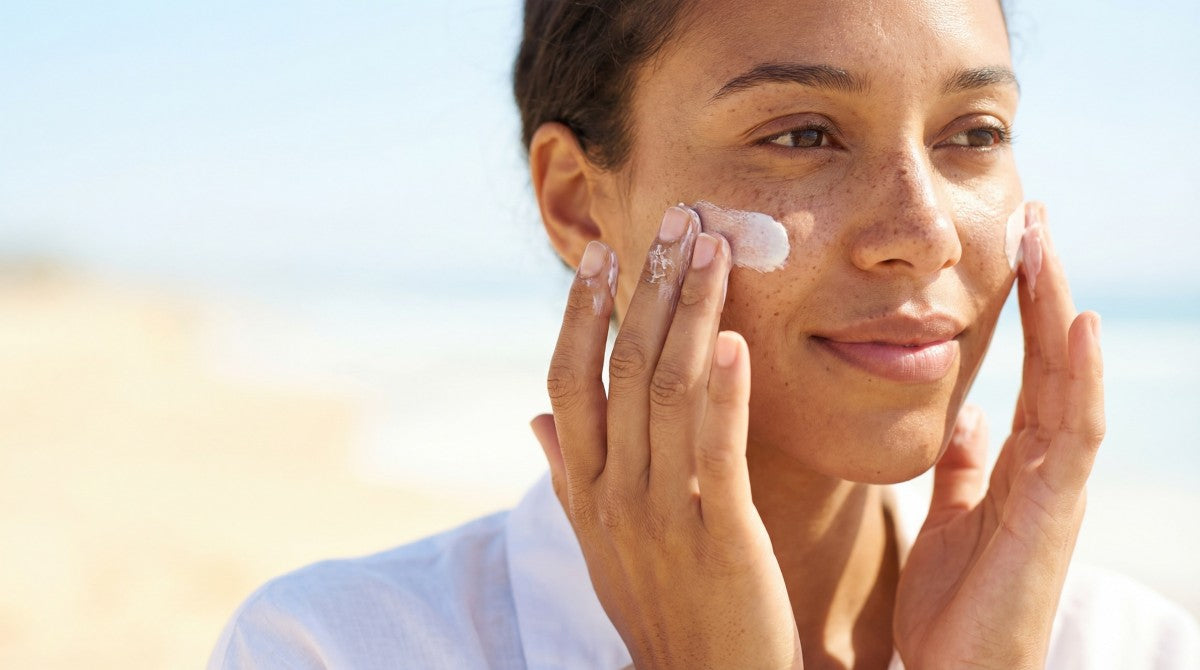
Start with a full half teaspoon dispensed into your palm. If your sunscreen comes in a pump bottle, this is typically two to three full pumps depending on the dispenser. If it's a squeeze tube, you're looking at a line roughly the length of your index and middle fingers combined.
Apply in sections rather than trying to spread the entire amount at once. Dot the product across your forehead, cheeks, nose, and chin, then blend outward in upward motions. Make sure you're covering your entire face, including often-missed areas like the hairline, jawline, temples, and around the eyes.
Don't forget your neck and ears - these areas are just as vulnerable to UV damage but are frequently overlooked. If you're applying SPF to your décolletage as well, you'll need an additional teaspoon for that area.
Reapplication: The Other Half of the Equation

Wearing enough sunscreen once isn't sufficient. SPF efficacy degrades throughout the day due to sweat, oil production, physical contact, and natural product breakdown. The standard recommendation is to reapply every two hours during extended sun exposure, or immediately after swimming or sweating.
For everyday wear - especially if you're indoors for most of the day - morning application with a midday reapplication is typically adequate. But if you're spending time outside, near windows, or in high-UV environments, consistent reapplication is non-negotiable.
This is where texture matters. If your sunscreen is heavy, greasy, or leaves a white cast, you're far less likely to reapply it throughout the day. That's why we engineered our ZnO+™ formulas to be lightweight, blendable, and layerable - so reapplication doesn't feel disruptive or uncomfortable.
The SunsolveMD Difference
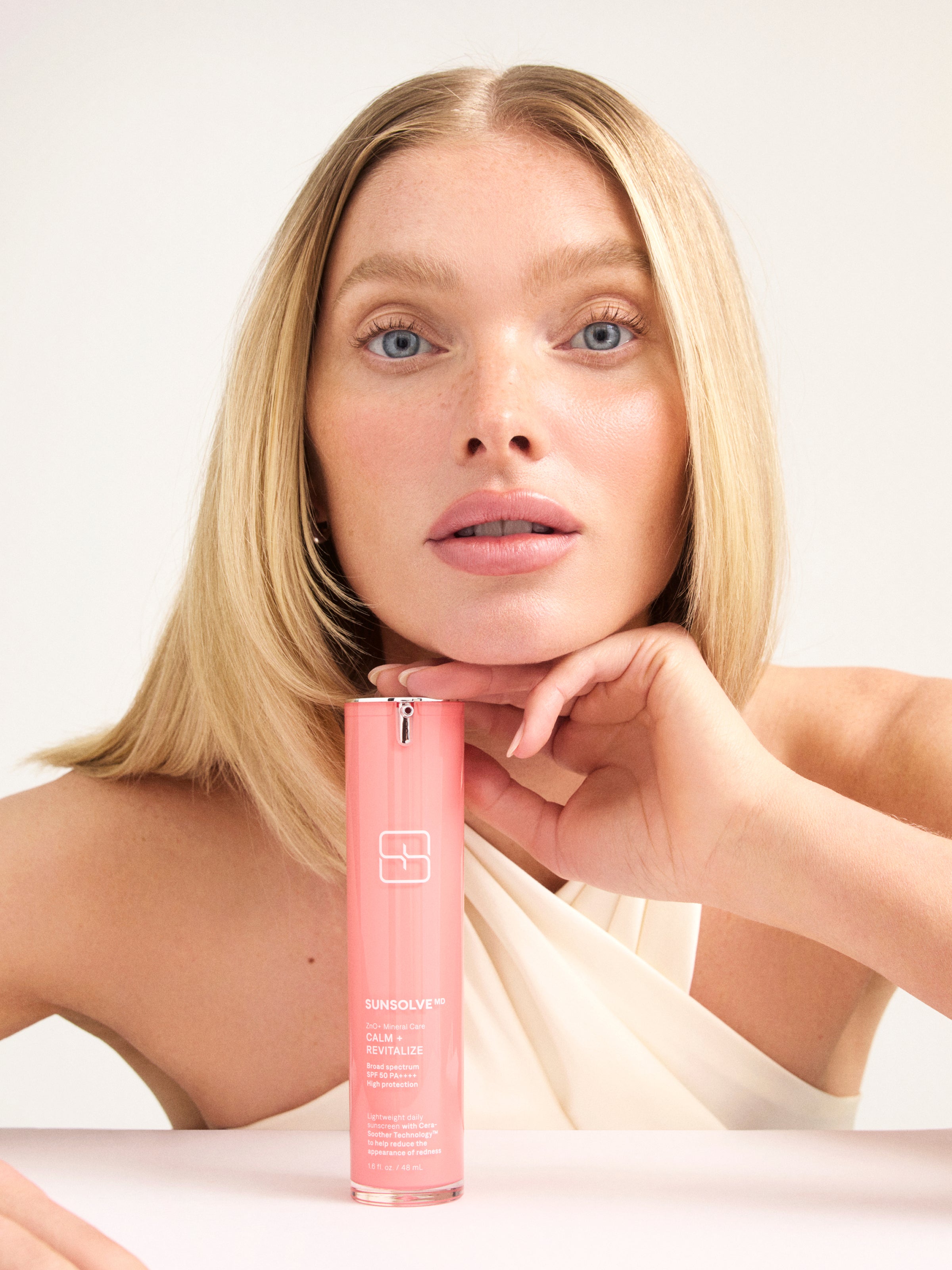
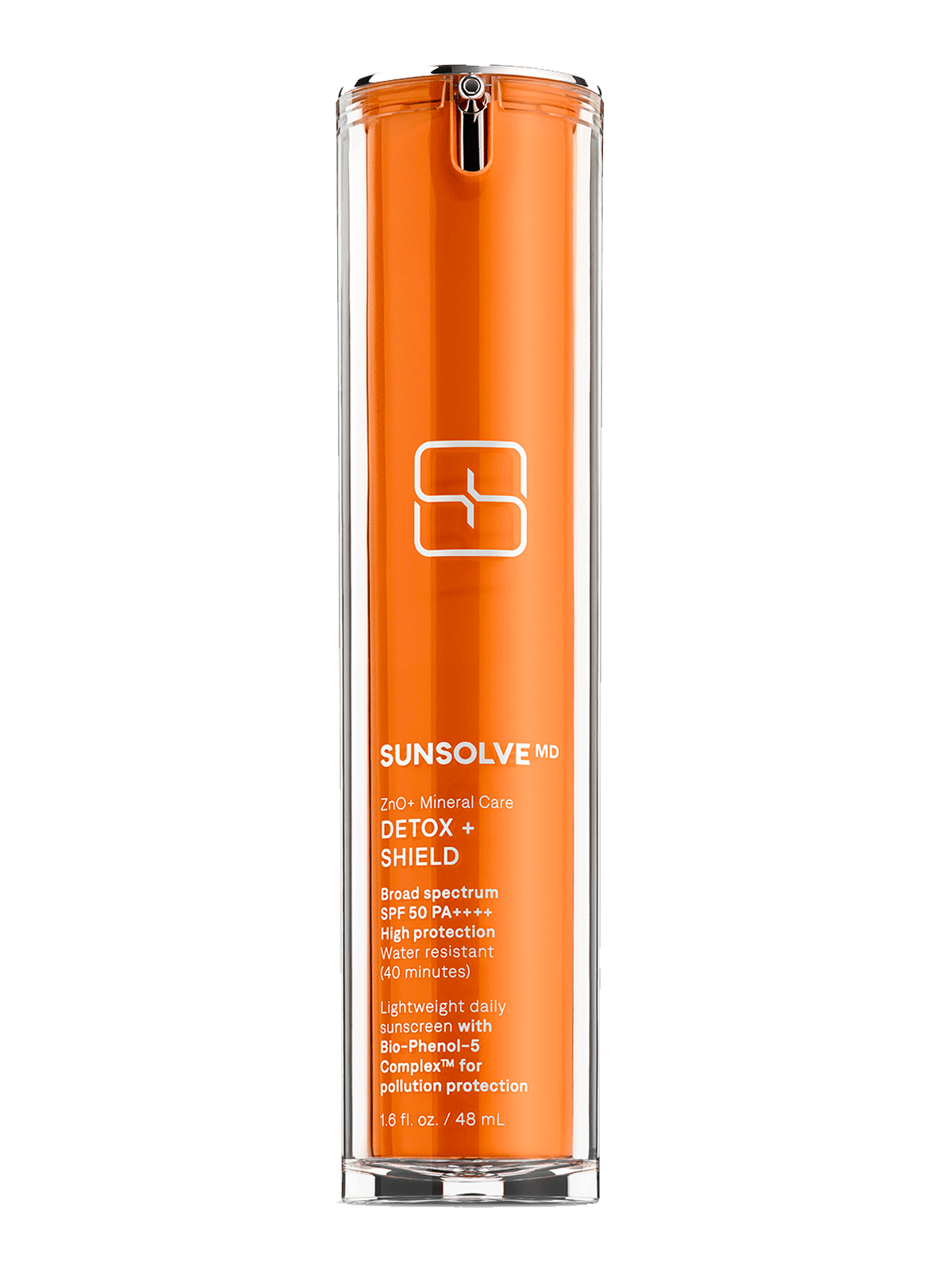
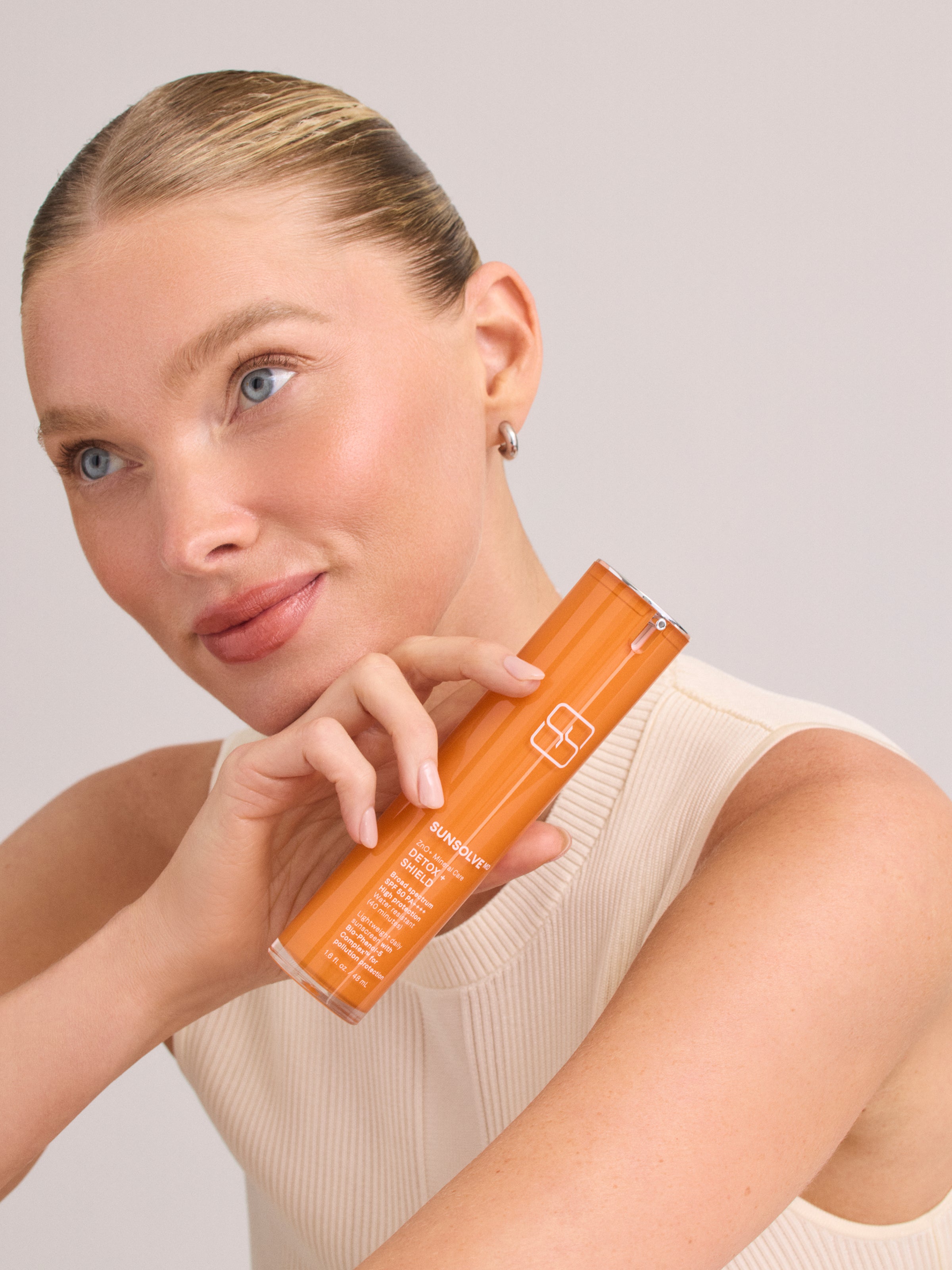
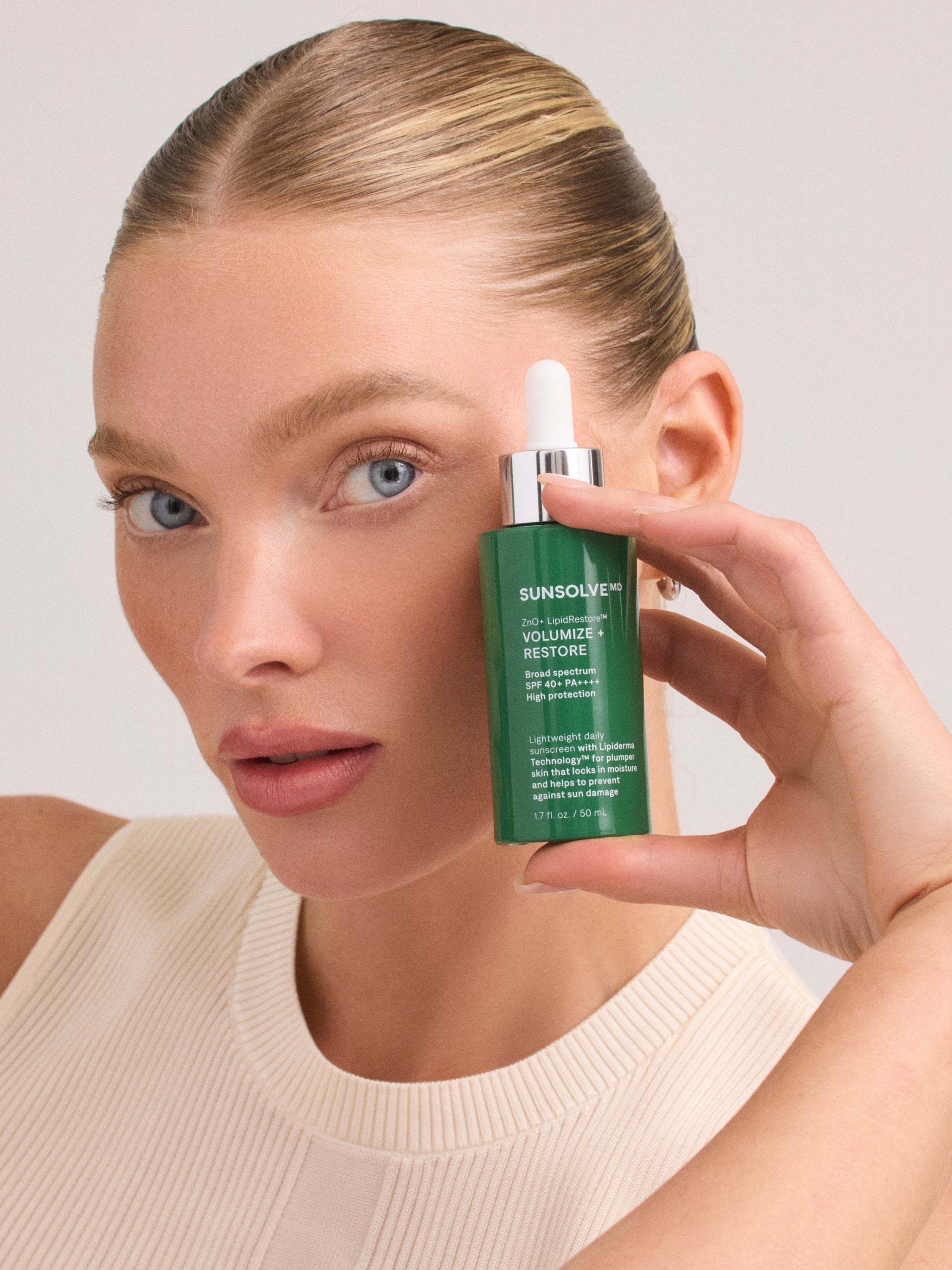
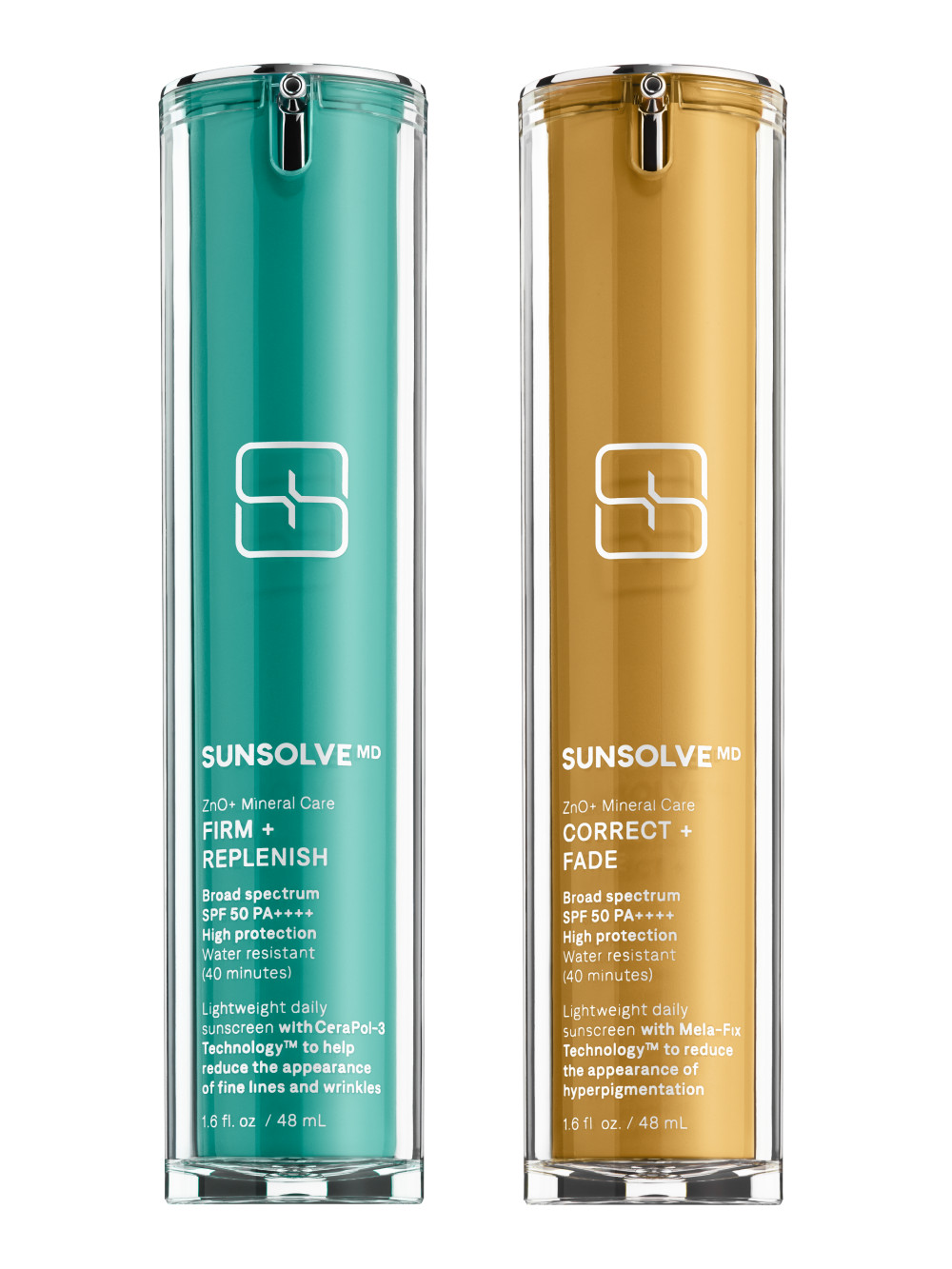
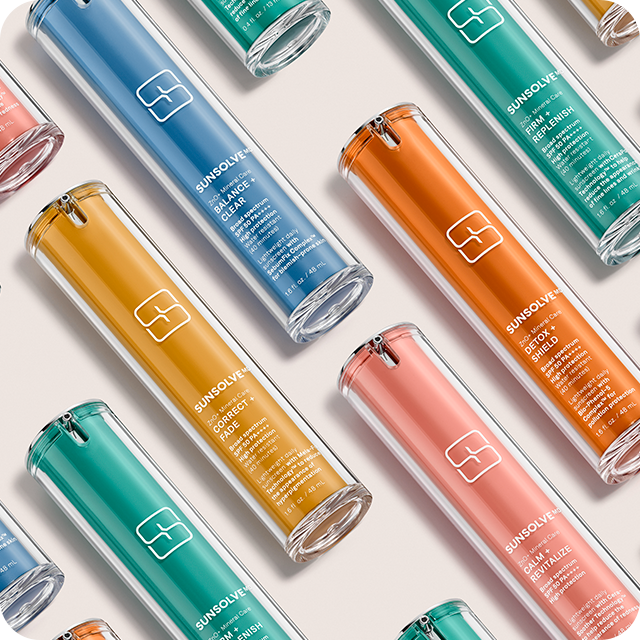
We designed every formula with wearability in mind, because proper daily SPF application only works if you actually want to wear it. Our ZnO+™ system delivers 12% non-nano zinc oxide in a transparent, breathable base that blends seamlessly across all skin tones without the chalky texture or white cast typically associated with mineral SPF.
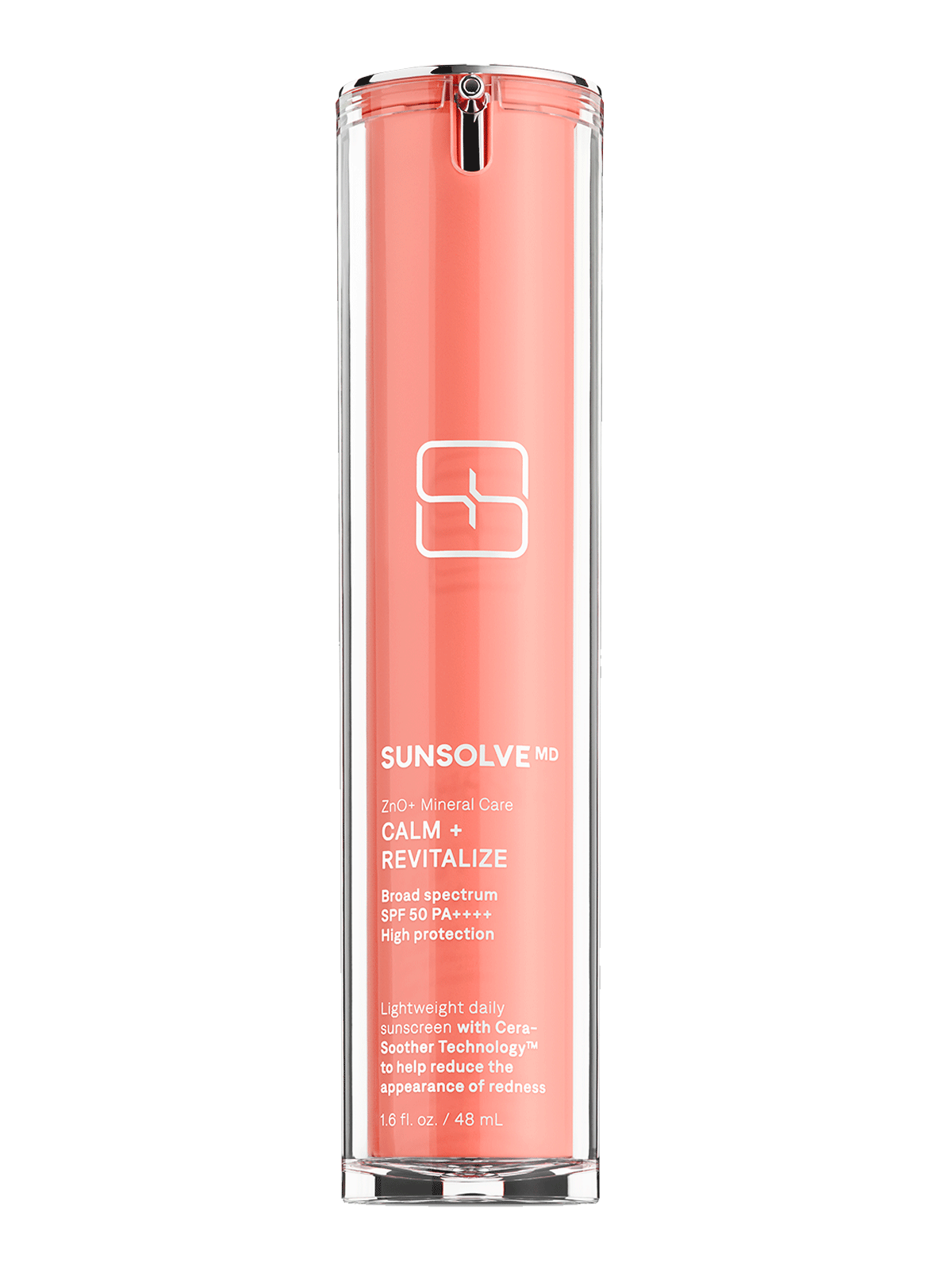
But protection is only part of the equation. Our proprietary SolveDNAReverse™ technology works beneath the zinc layer to support your skin's natural DNA repair enzymes, actively reversing the oxidative stress and photodamage caused by UV exposure. You're getting broad-spectrum UVA/UVB defense that's also restoring barrier function, calming inflammation, and addressing concerns like pigmentation and aging at a cellular level.
This isn't just SPF. It's clinical-grade skin support engineered in our Los Angeles biotech lab and tested for efficacy and safety in aesthetic clinics worldwide.
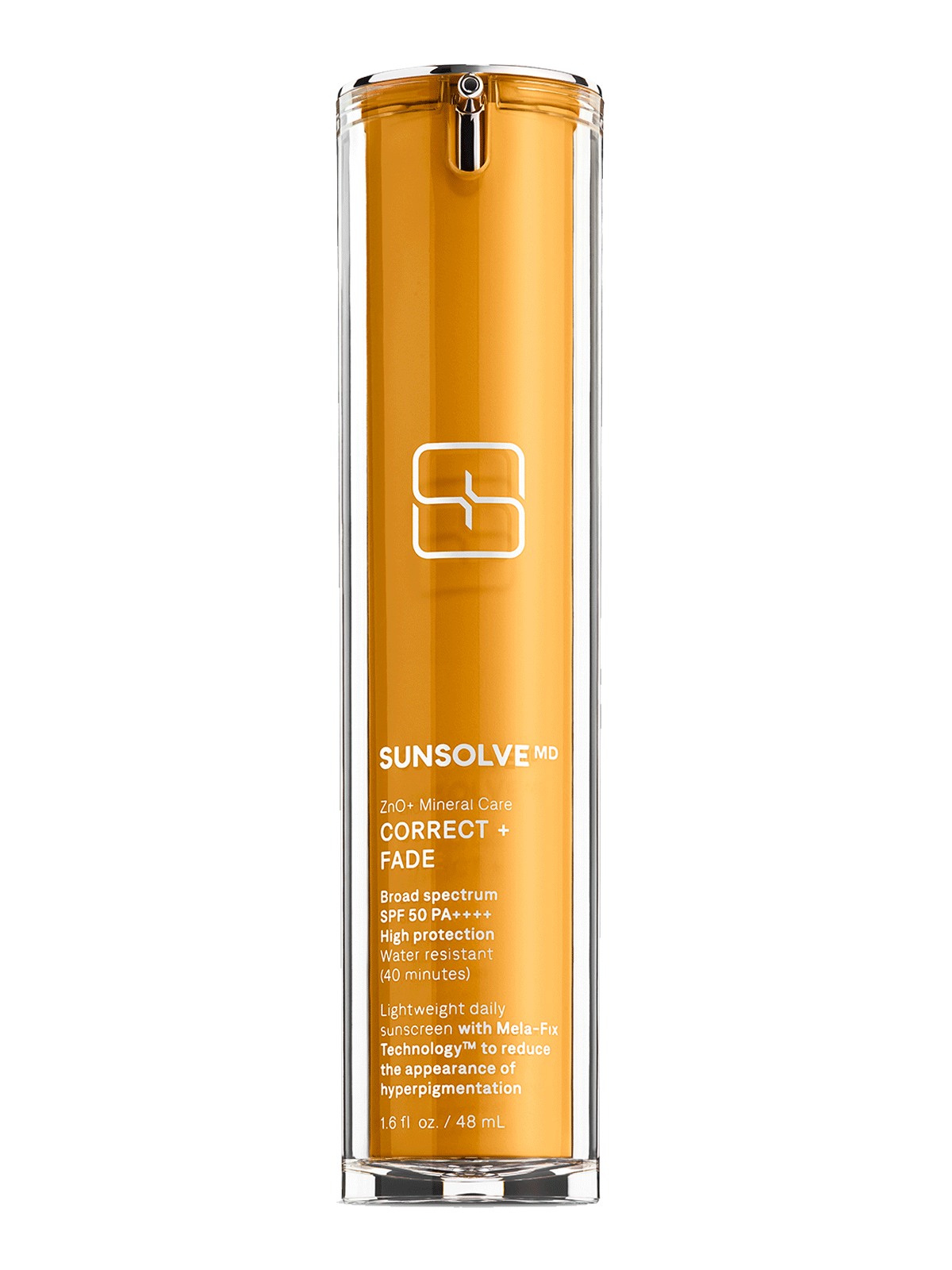
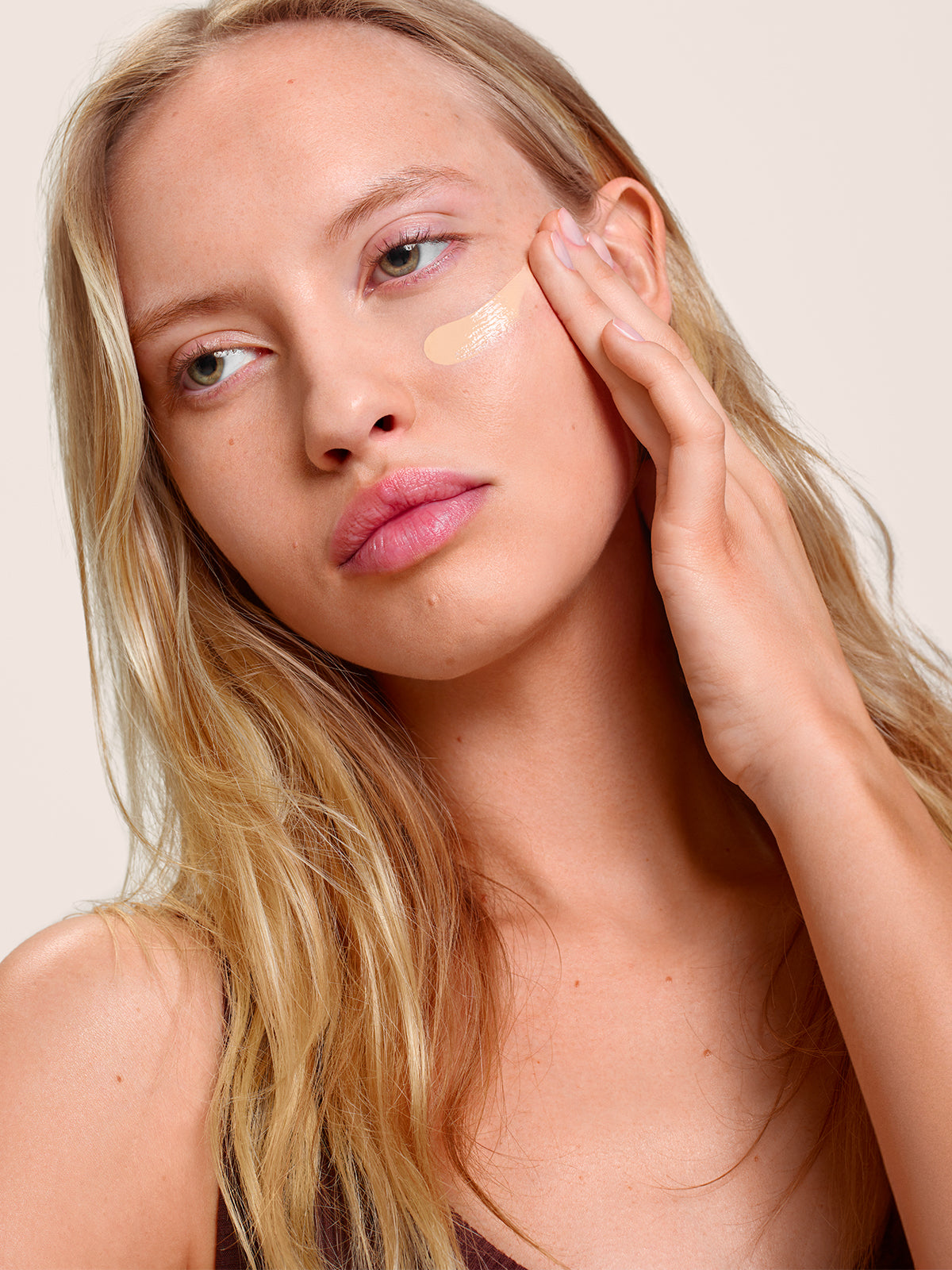
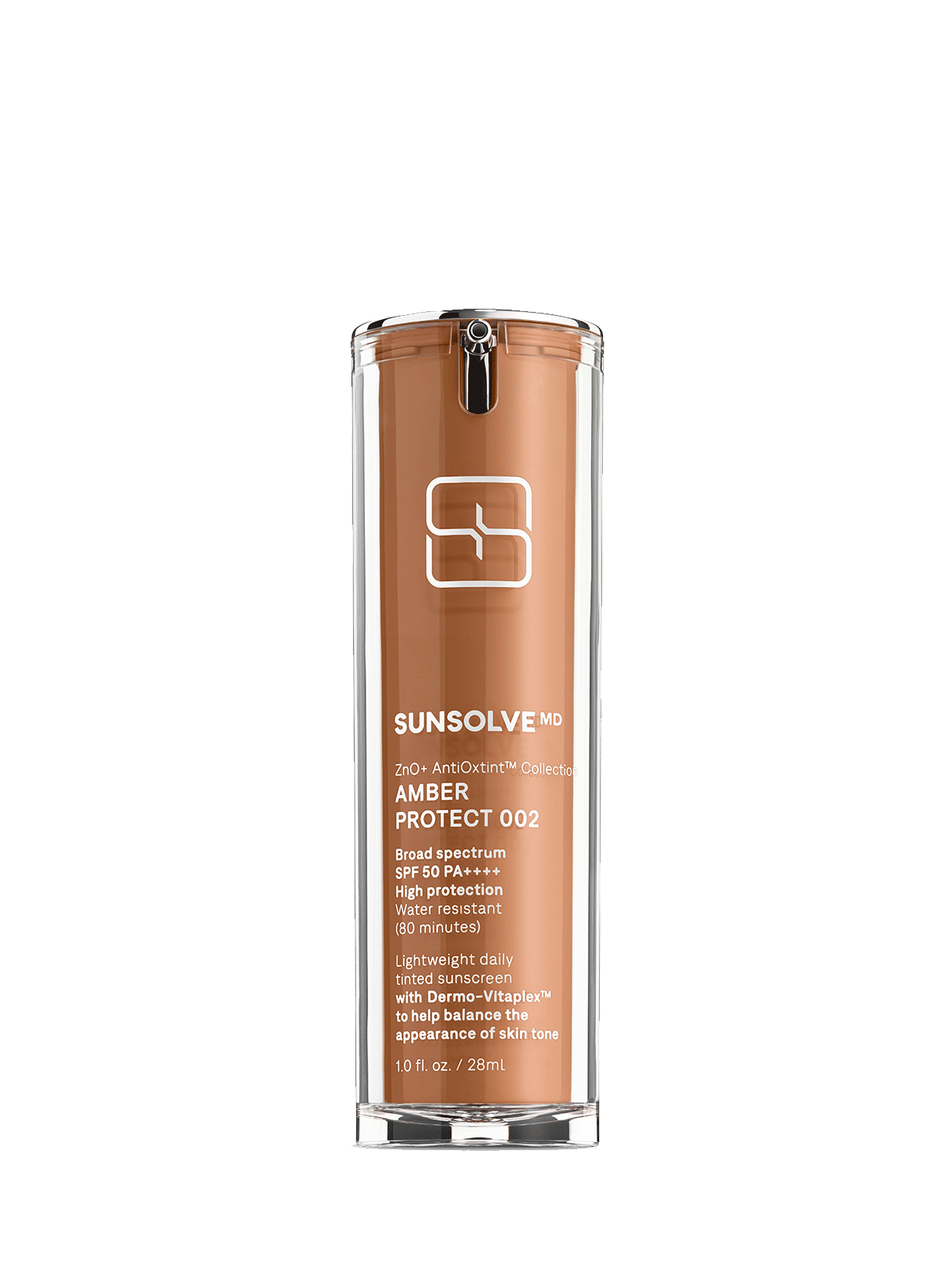
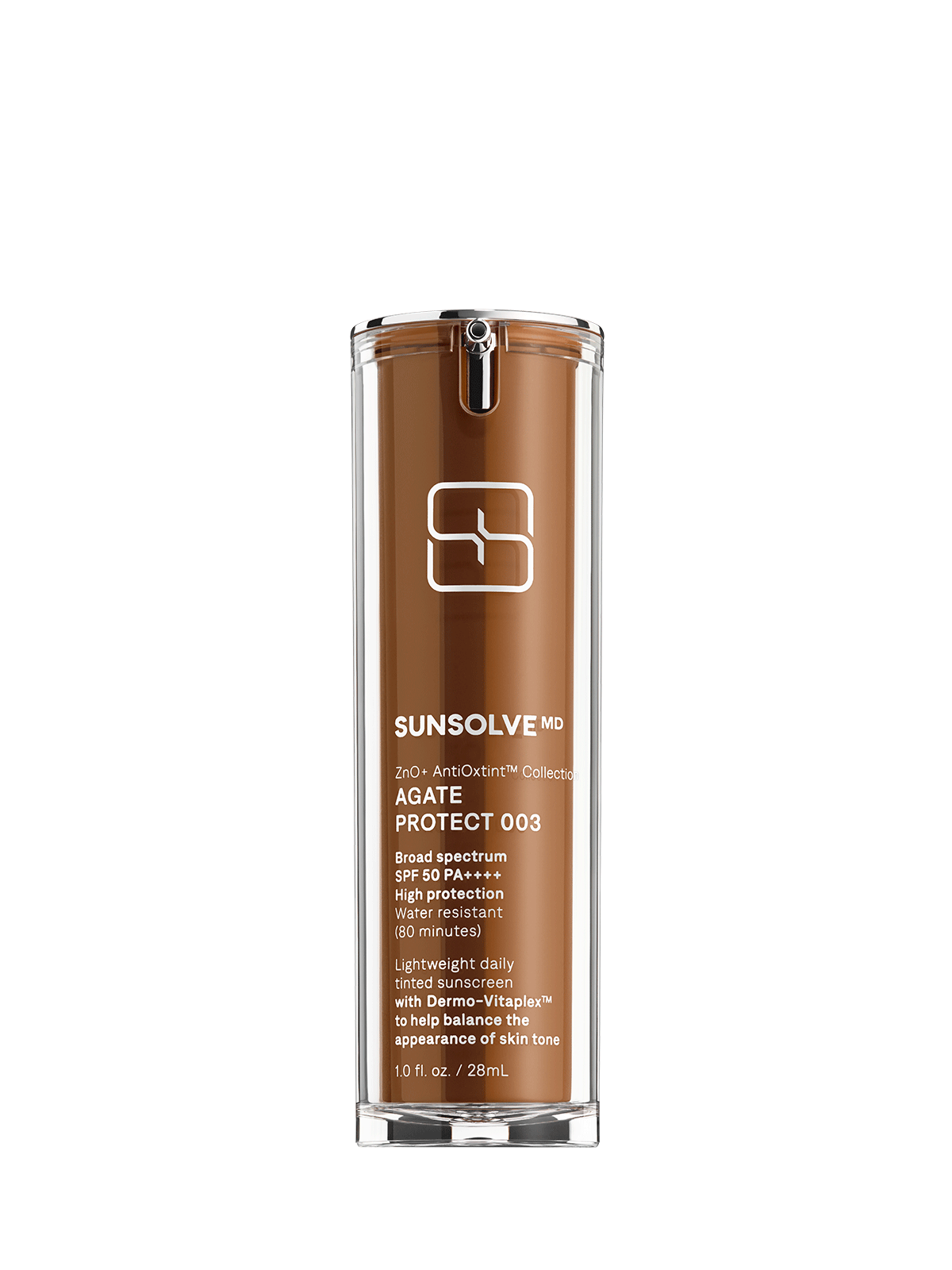
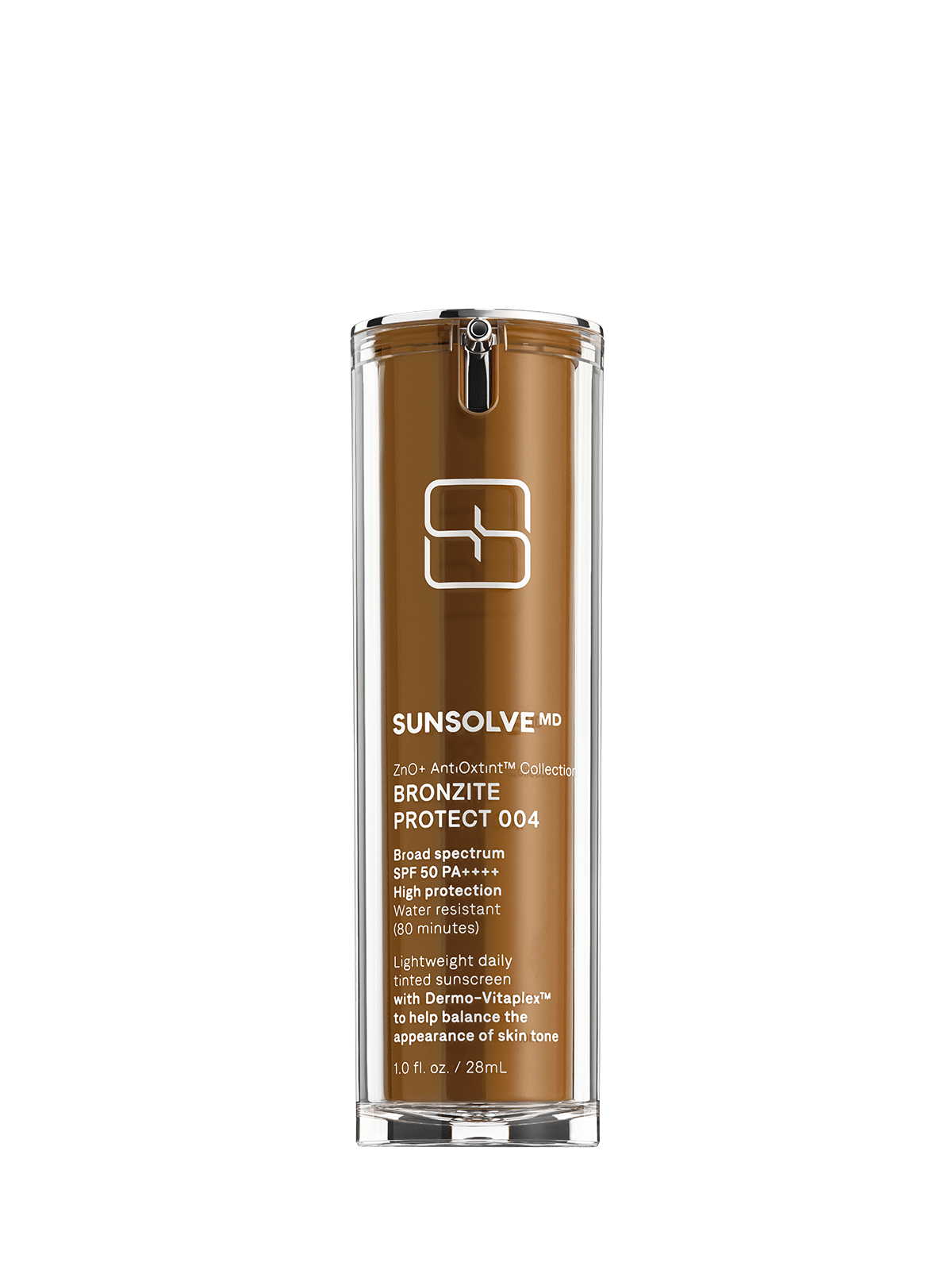
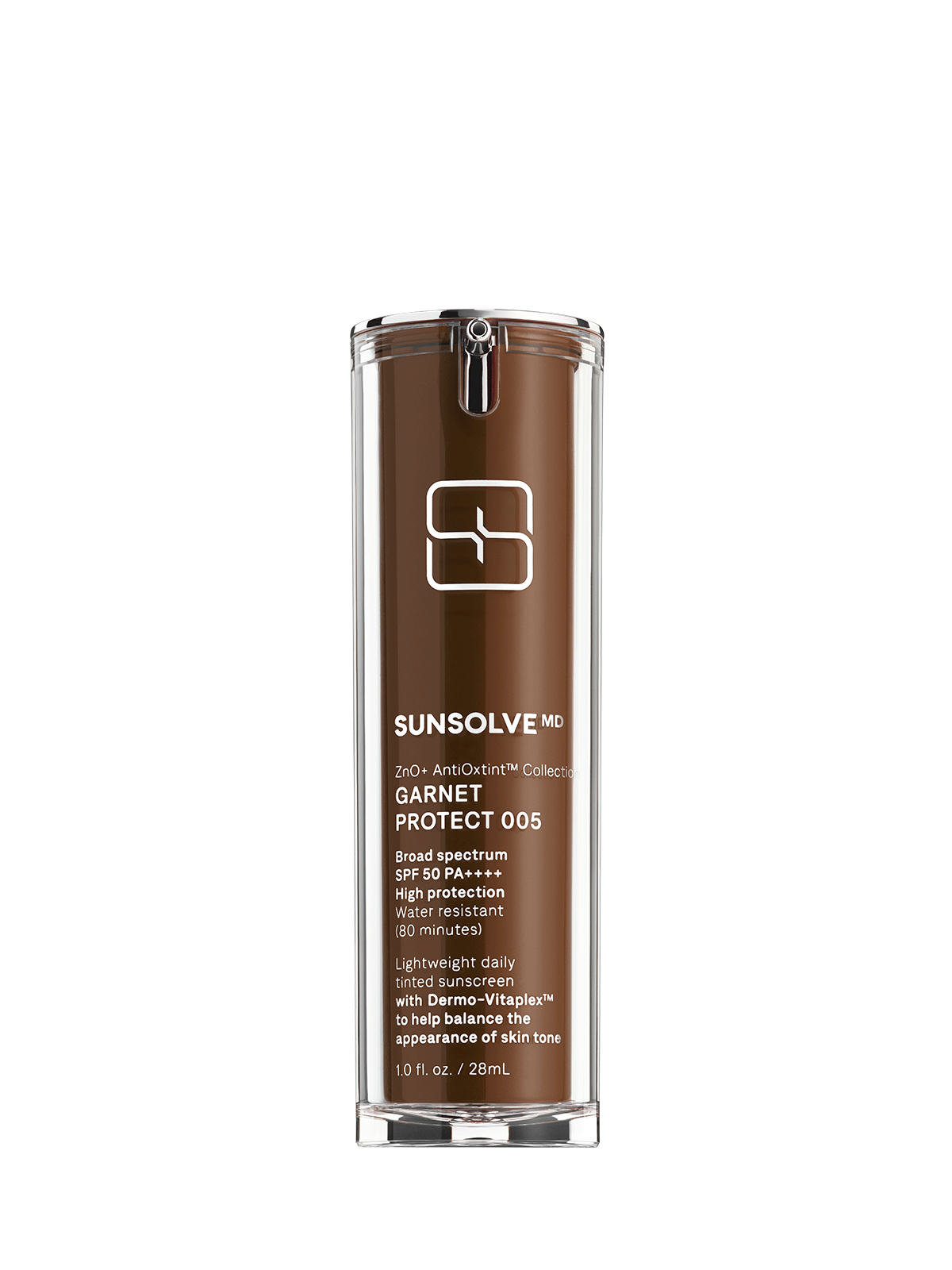
And for those who want coverage with their SPF, our tinted range delivers sun protection with a natural skin tint - sheer, blendable color that evens tone without feeling heavy or leaving a cast.
Does Wearing Too Much SPF Cause Acne?
This is one of the most common sunscreen concerns, and it's valid - but the answer is more about formulation than about quantity. Wearing the correct amount of SPF doesn't cause breakouts, but using a formula with pore-clogging ingredients, heavy oils, or occlusive silicones does.
Traditional sunscreens often rely on chemical filters and emollients that can trap sebum, trigger congestion, and exacerbate acne. But mineral-based SPF formulated for reactive or blemish-prone skin won't cause breakouts, even when applied generously. In fact, proper UV protection can actually prevent post-inflammatory hyperpigmentation from acne, which is one of the hardest pigmentation types to treat.
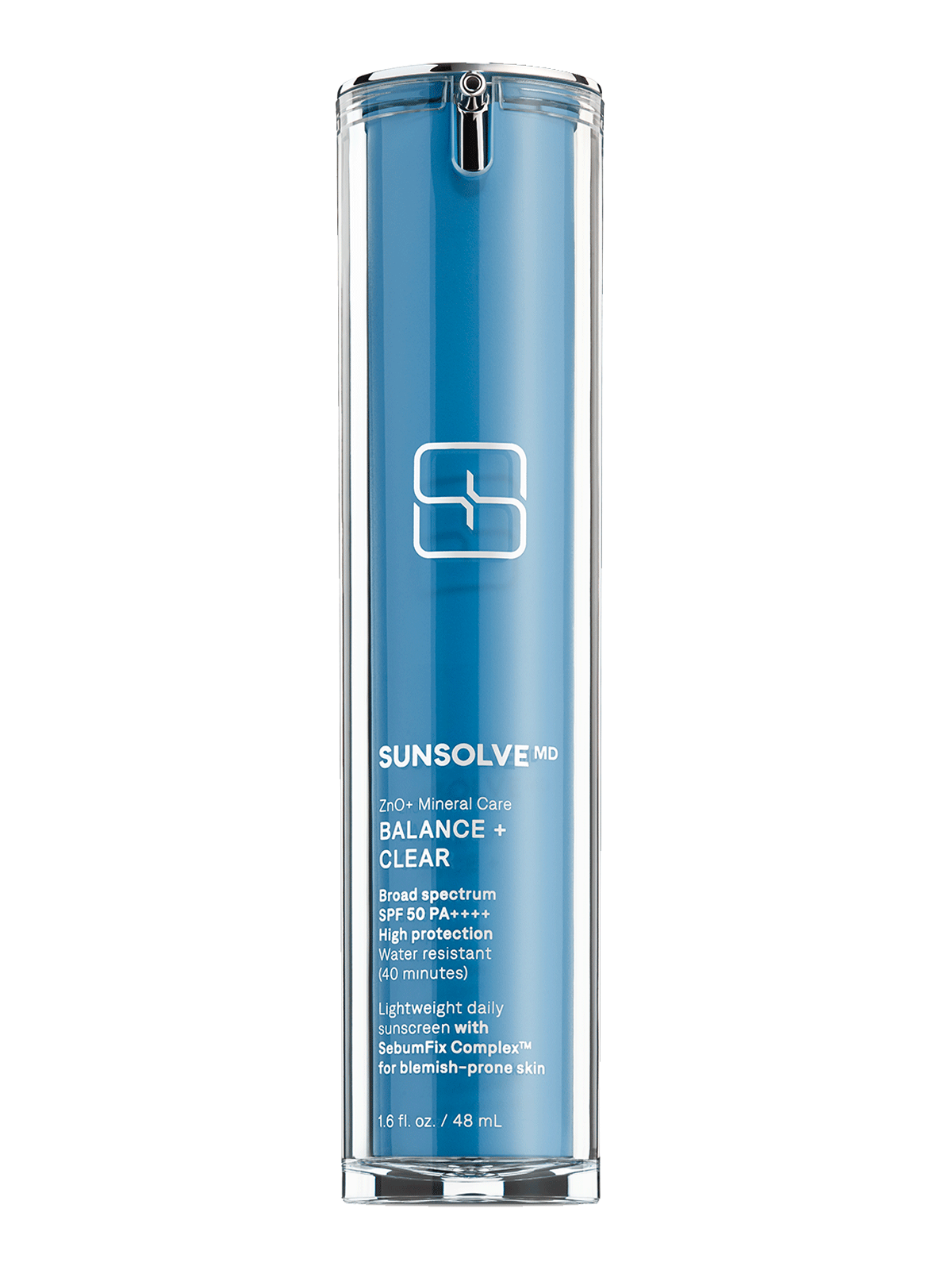
The key is choosing a non-comedogenic formula designed to work with acne-prone skin, not against it. Our Balance + Clear SPF is engineered specifically for this: it combines 12% non-nano zinc oxide with SebumFix complex, a triple-targeting system that addresses breakouts, inflammation, and excess oil production while delivering full broad-spectrum protection. It's lightweight, breathable, and clinically tested on acne-prone skin.
The Takeaway
Knowing how much sunscreen to use on your face is one thing, but consistently applying that amount is another. The difference between adequate and inadequate protection isn't about buying a higher SPF - it's about using enough of what you already have.
Half a teaspoon. Every morning. Reapplied as needed. That's the baseline for UV defense that actually works. And if your formula is also reversing photodamage, supporting barrier health, and addressing specific skin concerns while you wear it, even better.