FAQs
Should I wear SPF indoors to protect against blue light from screens?
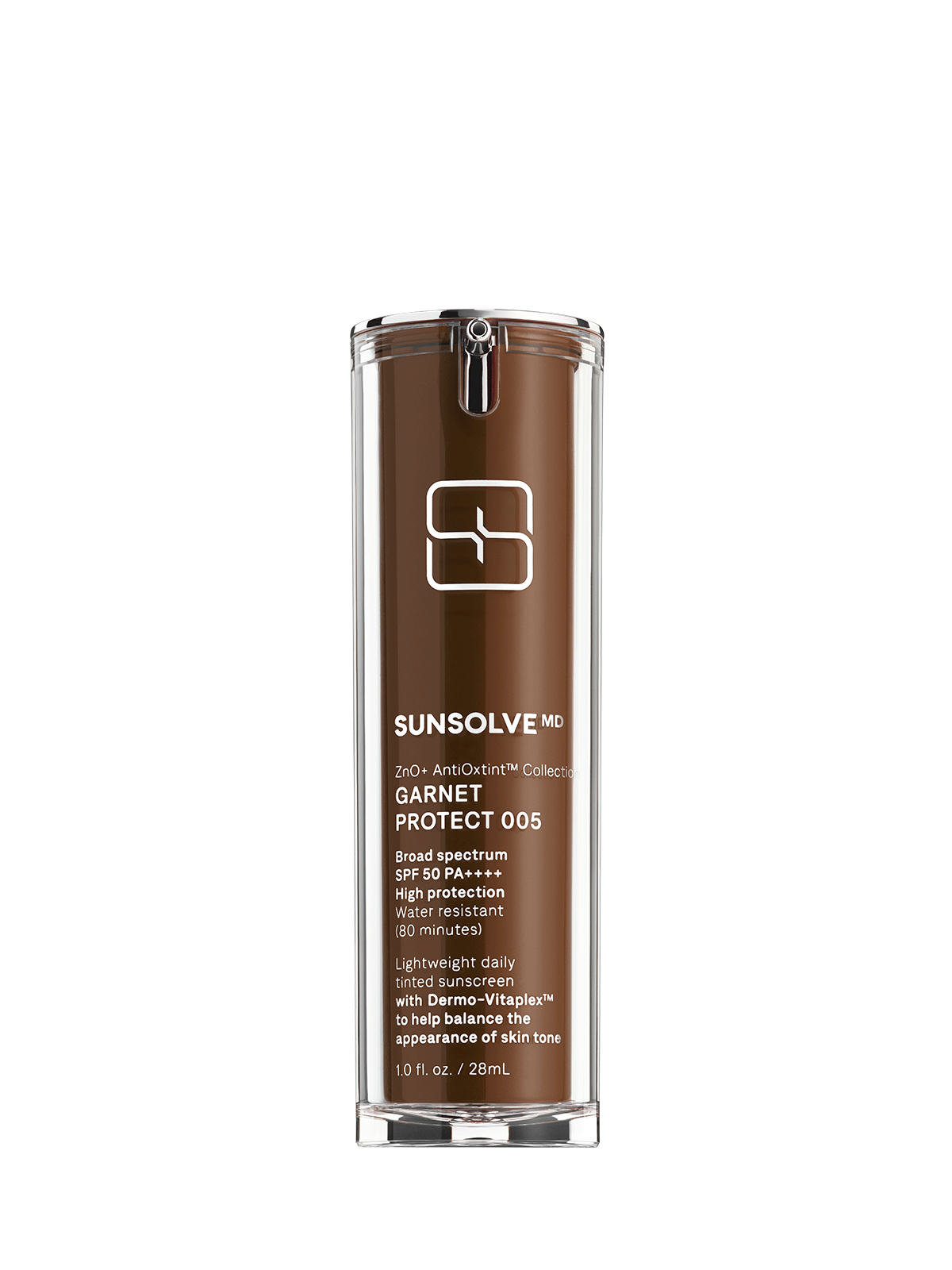
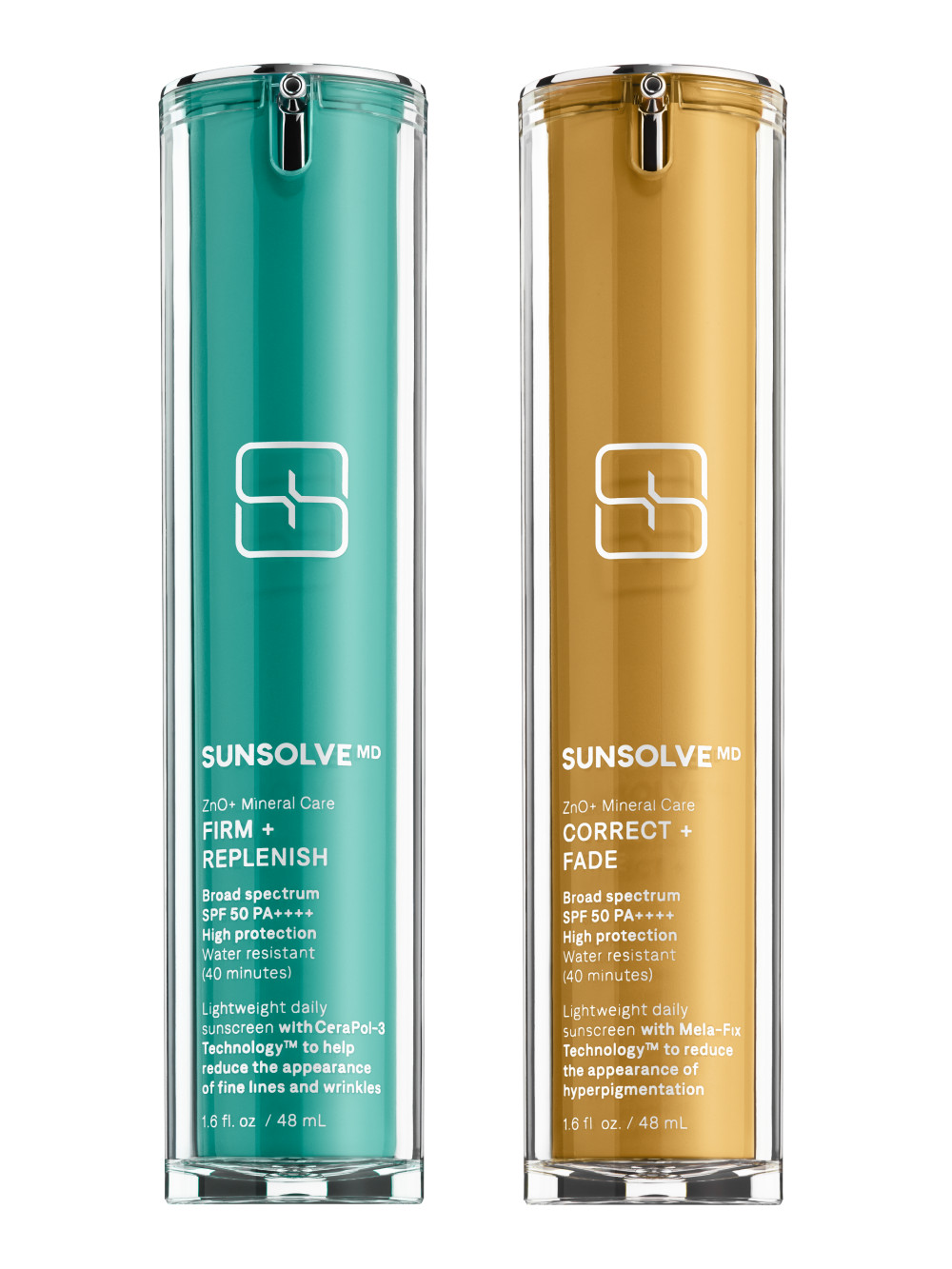
If you're near a window, yes, primarily for UVA rather than screen-based HEV. For screen exposure alone, the doses are substantially lower than outdoor daylight. A tinted SPF during the day covers both scenarios without requiring additional steps.
Does blue light from screens age skin faster than sun exposure?
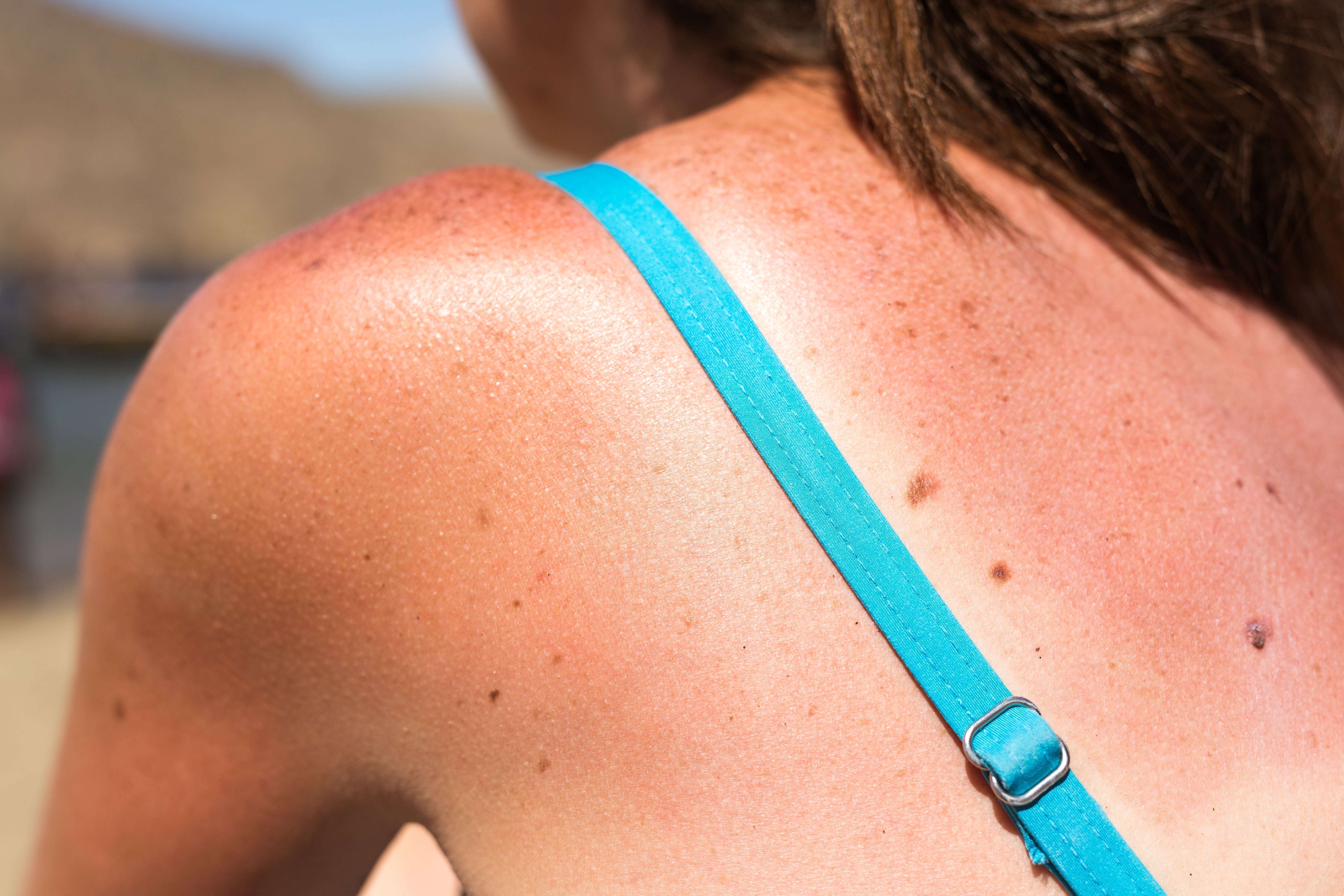
No. Sunlight delivers far greater irradiance than any screen. Screens represent an additional cumulative HEV source, not a replacement concern. The sun remains the primary driver of photoageing.
Can antioxidants alone protect against blue light?
They reduce oxidative stress after HEV exposure and work well as a complement to physical protection. They don't block light from reaching the skin, so they're best understood as a secondary layer rather than a standalone strategy.
Is blue light protection relevant for lighter skin tones?
Yes, though the most pronounced clinical effects, particularly persistent pigmentation, are more common in deeper skin tones. Oxidative stress, collagen degradation, and barrier disruption from HEV occur across all phototypes.