




Common Everyday Habits That Damage The Skin Barrier
When skin becomes red, tight, flaky or inexplicably reactive, the instinct is to blame a product. More often, the culprit is a habit: something small, repeated daily, that has been quietly wearing down the skin barrier for months.
The barrier, your skin's outermost layer of cells and lipids, is remarkably good at repairing itself, but it can only absorb so much cumulative punishment before the symptoms surface.
The encouraging news is that barrier damage from lifestyle habits is almost always reversible, and identifying the habit is most of the cure. These are the everyday behaviours dermatologists see undermining skin health most often, along with what to do about each one.
Washing With Hot Water
A hot shower feels wonderful and treats your skin barrier terribly. Water at high temperatures dissolves and rinses away the lipids that hold the barrier together, in much the same way hot water cuts through grease on a plate.
The immediate signs are the familiar post-shower tightness and itch, and over time the habit leaves skin persistently dry and reactive. Lukewarm water cleans every bit as effectively, and keeping showers under ten minutes spares the barrier further leaching.
The same logic applies at the basin. Cleansing the face with hot water morning and night compounds the damage on the skin that is most exposed to everything else on this list.
Over-Cleansing And Harsh Formulas
Cleansing twice a day is sensible. Cleansing more than that, or with stripping formulas, moves into barrier-damaging territory.
Foaming washes built on strong sulphates, bar soaps with an alkaline pH and abrasive scrubs all remove protective oils faster than the skin can replace them, and they disturb the acidic surface environment that healthy skin chemistry depends on.
If your face feels tight and squeaky after washing, the cleanser is taking too much. A gentle, pH-balanced, fragrance-free formula leaves the skin comfortable, and on low-key mornings a splash of lukewarm water is honestly enough.
Overdoing The Actives
Exfoliating acids, retinoids and vitamin C all have legitimate places in a routine, and each one taxes the barrier slightly in exchange for its benefits. Problems arrive when they stack.
A glycolic toner over a retinol under a vitamin C, layered nightly, is a recipe for the tight, shiny, stinging skin of a stripped barrier. Actives deliver better results when they are spaced out across the week, introduced one at a time and balanced with genuinely restorative steps in between.
If everything in your routine is a treatment, nothing in your routine is a repair.
Skipping Moisturiser

Oily and combination skin types skip moisturiser in the belief that their skin has hydration covered. Oil and hydration are different things, and a barrier short of water becomes stiff, cracked and permeable regardless of how much sebum sits on top.
Skipped moisturiser also tends to backfire on oily skin specifically, which responds to dehydration by producing even more oil. A lightweight formula containing humectants such as glycerine or hyaluronic acid, plus barrier lipids such as ceramides, keeps the structure supple without heaviness.
Skipping Sunscreen
Of every habit on this list, the effects of skipping sunscreen are the most damaging. UV radiation degrades the barrier's lipids, damages the cells that manufacture them and generates inflammation that impairs the skin's ability to repair itself. UVA does this year-round, through clouds and through window glass.
A single missed sunny day matters little. The habit of going unprotected, accumulated across ordinary commutes and errands, is what produces chronic dryness, reactivity, pigmentation and premature ageing.
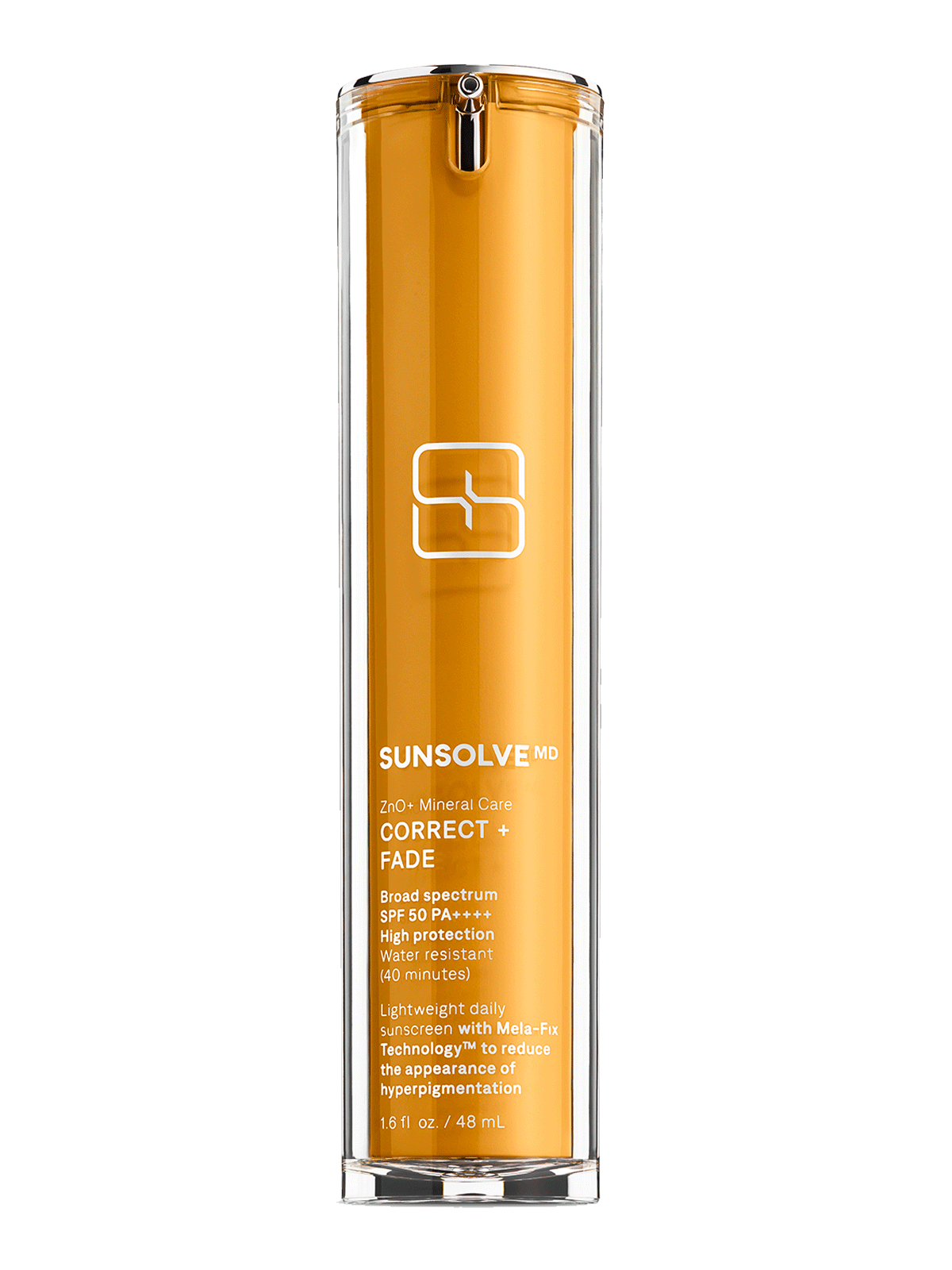
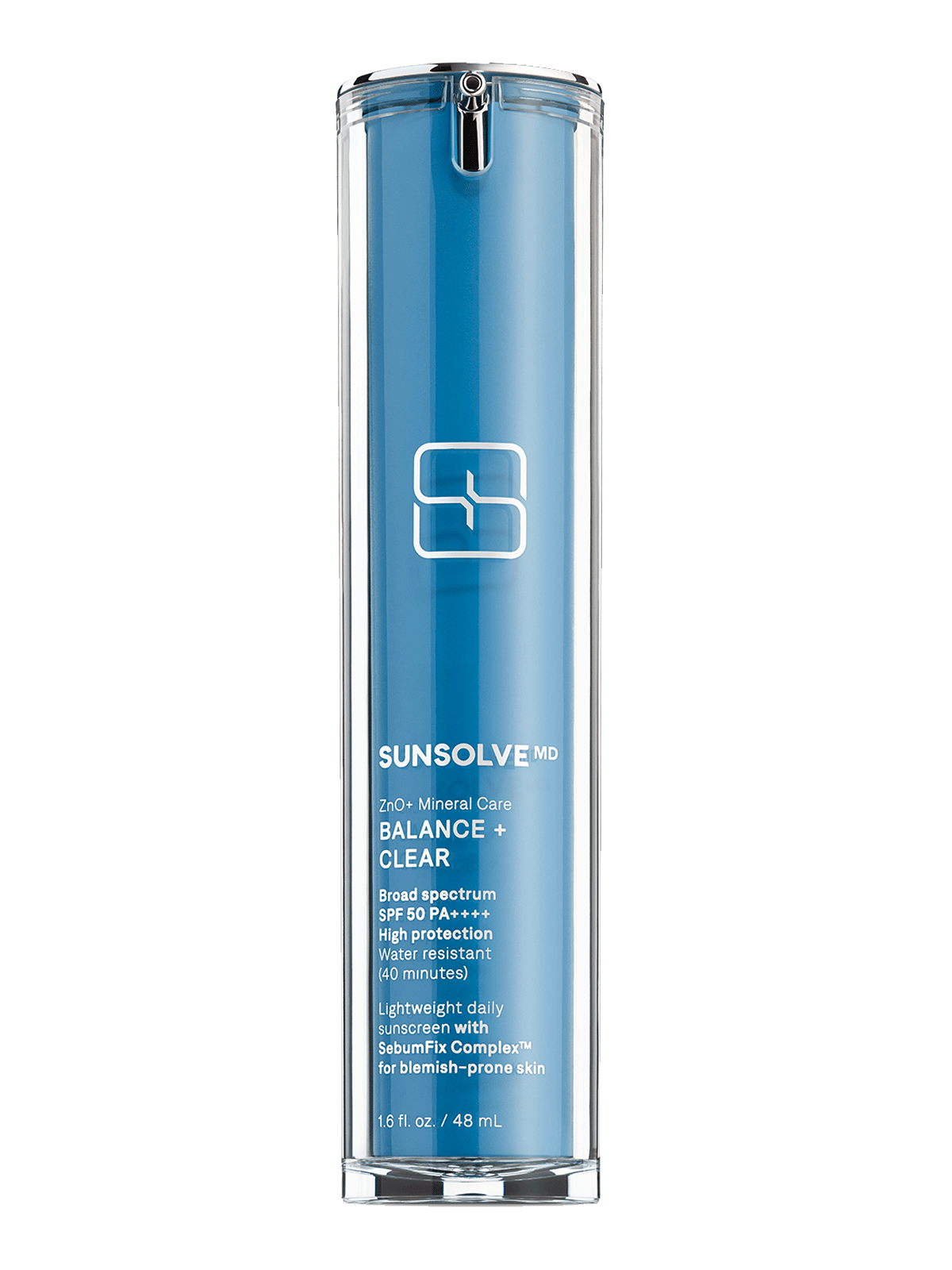
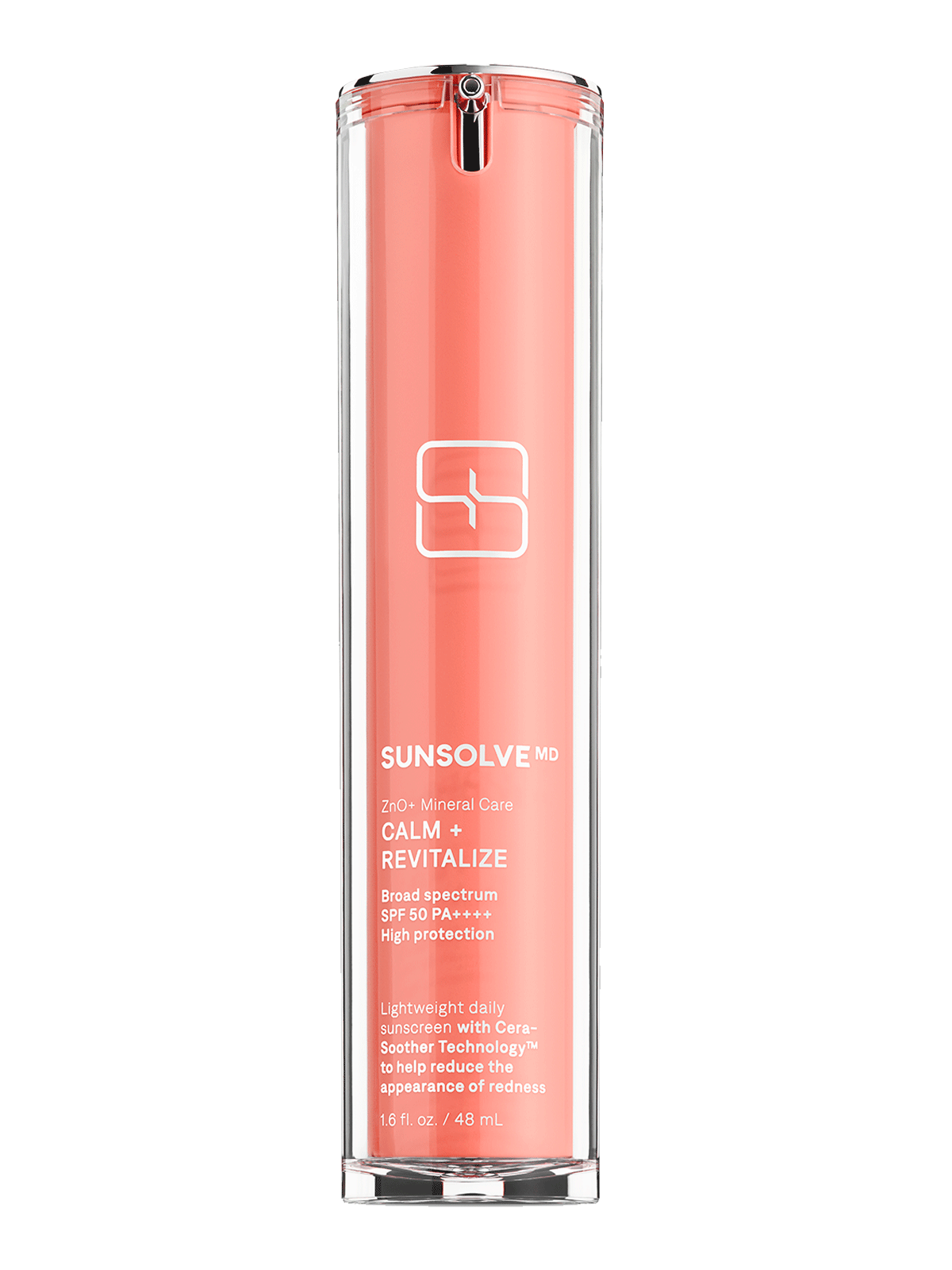
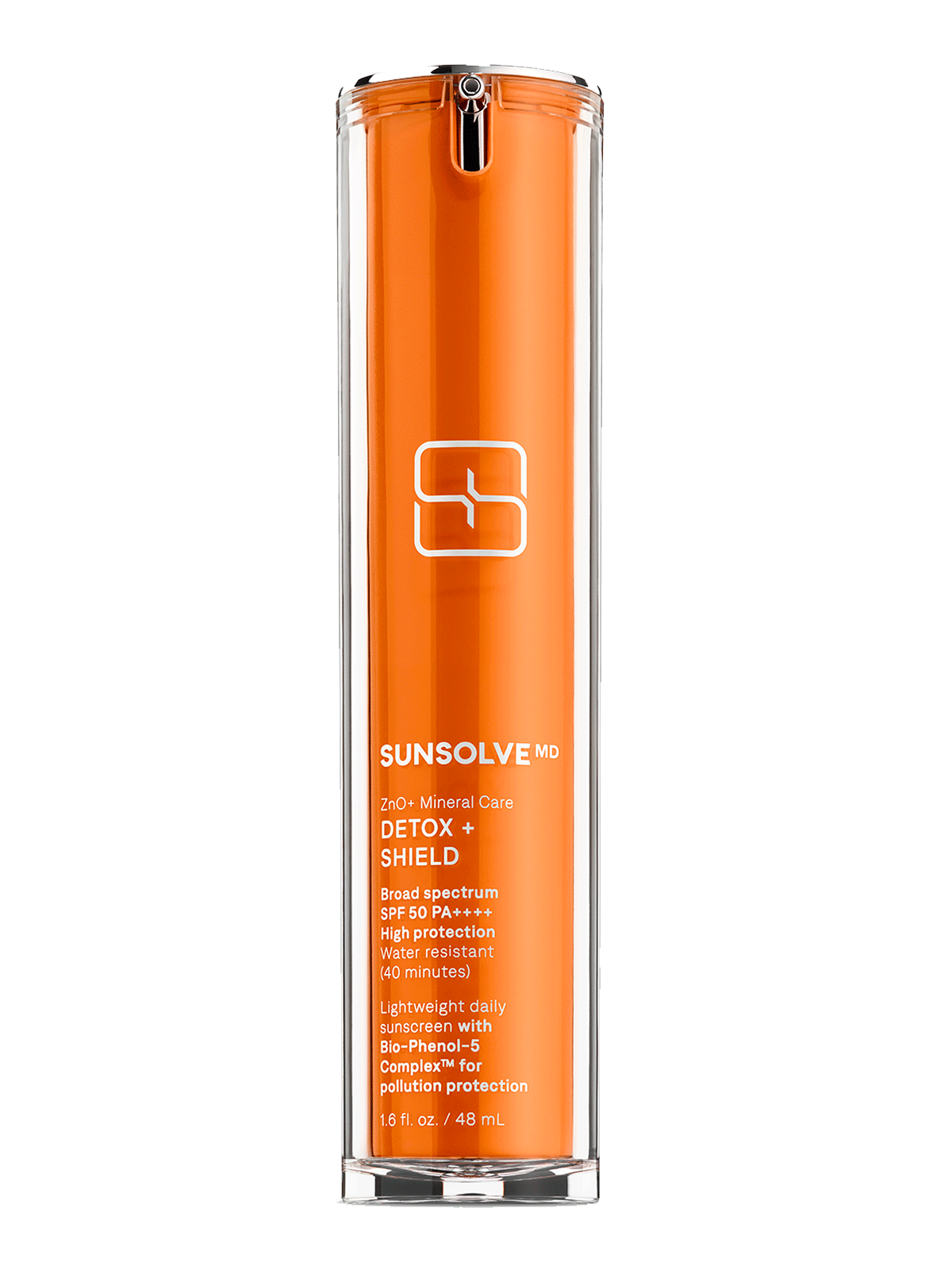
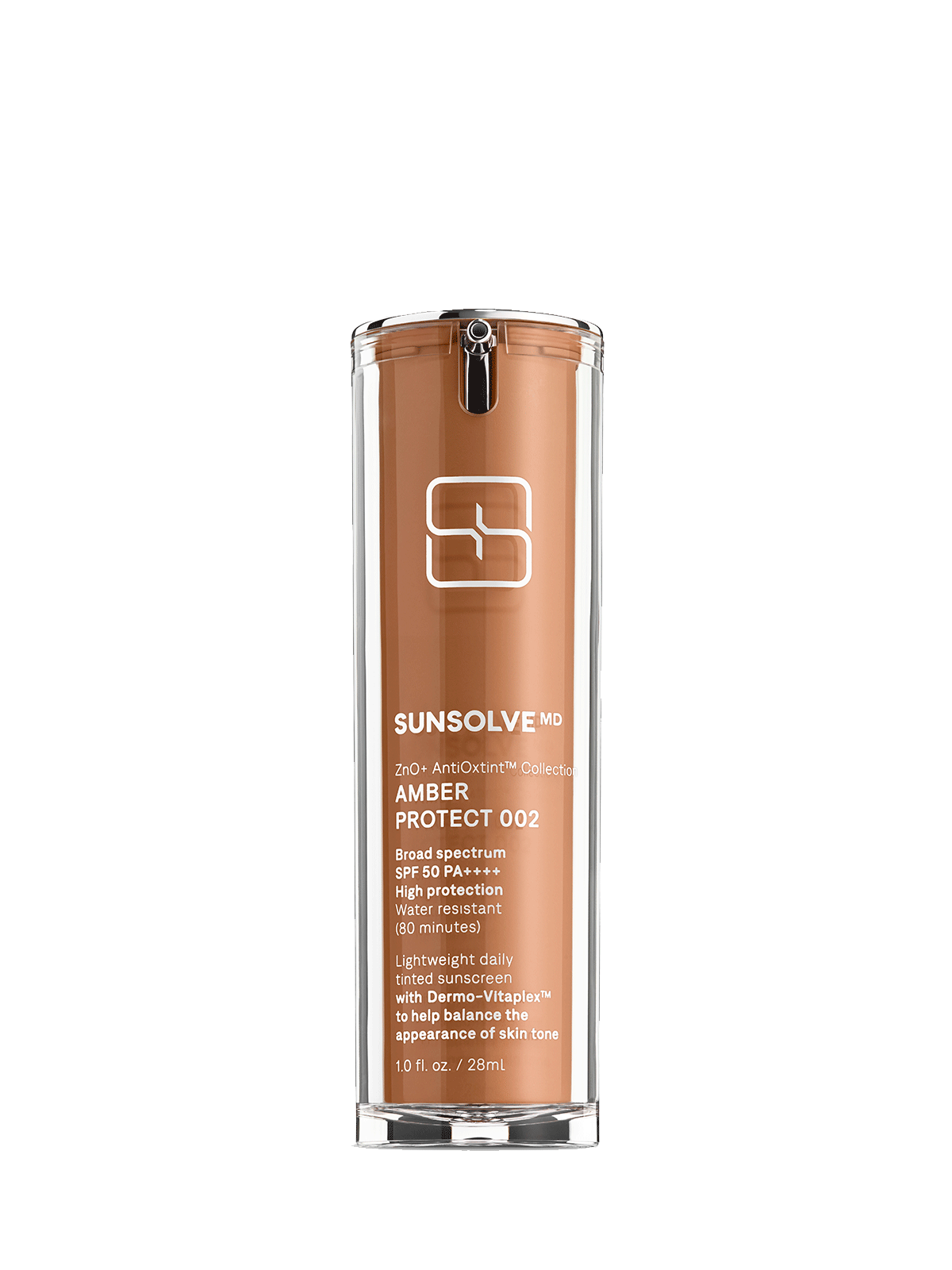
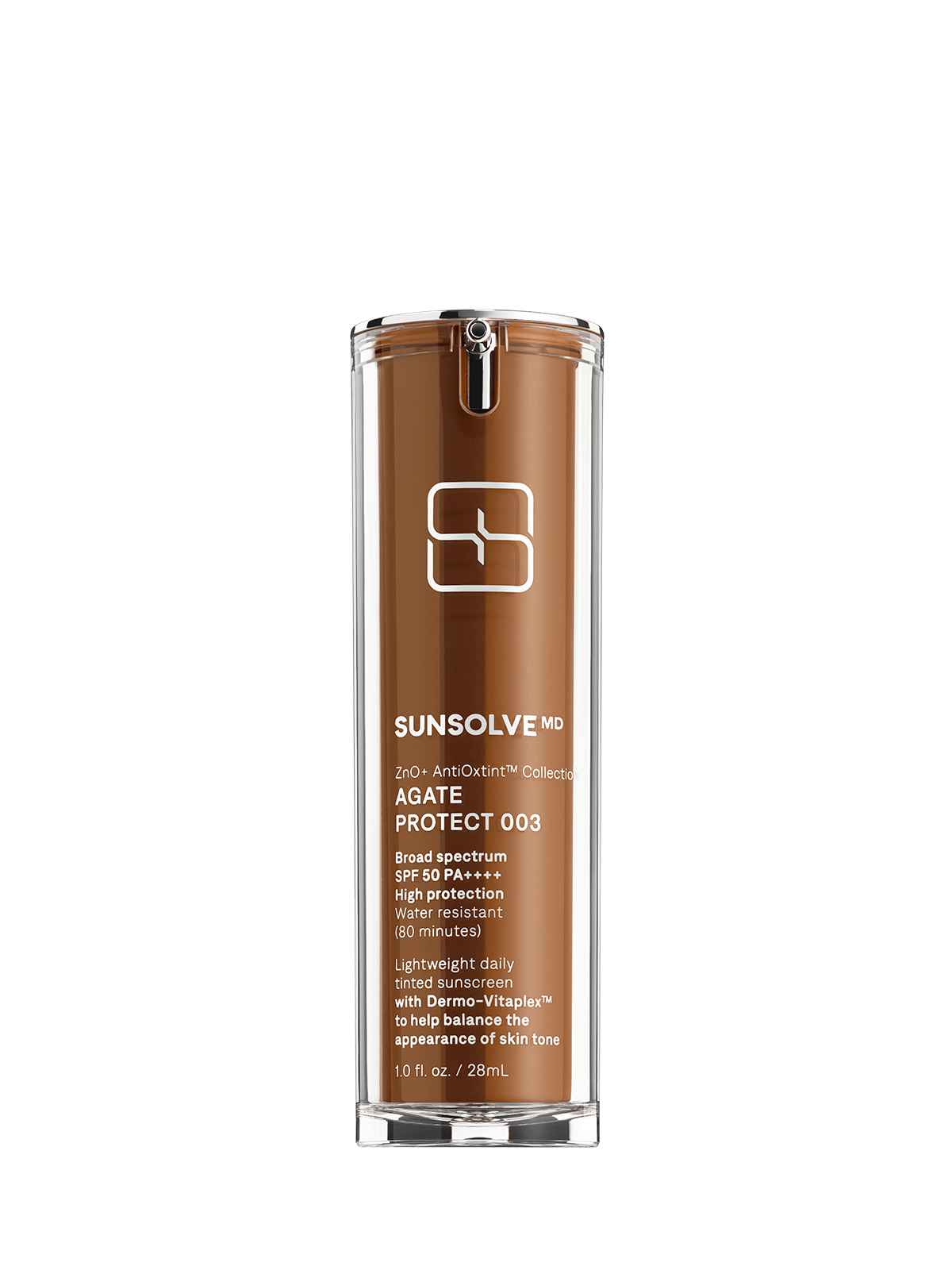
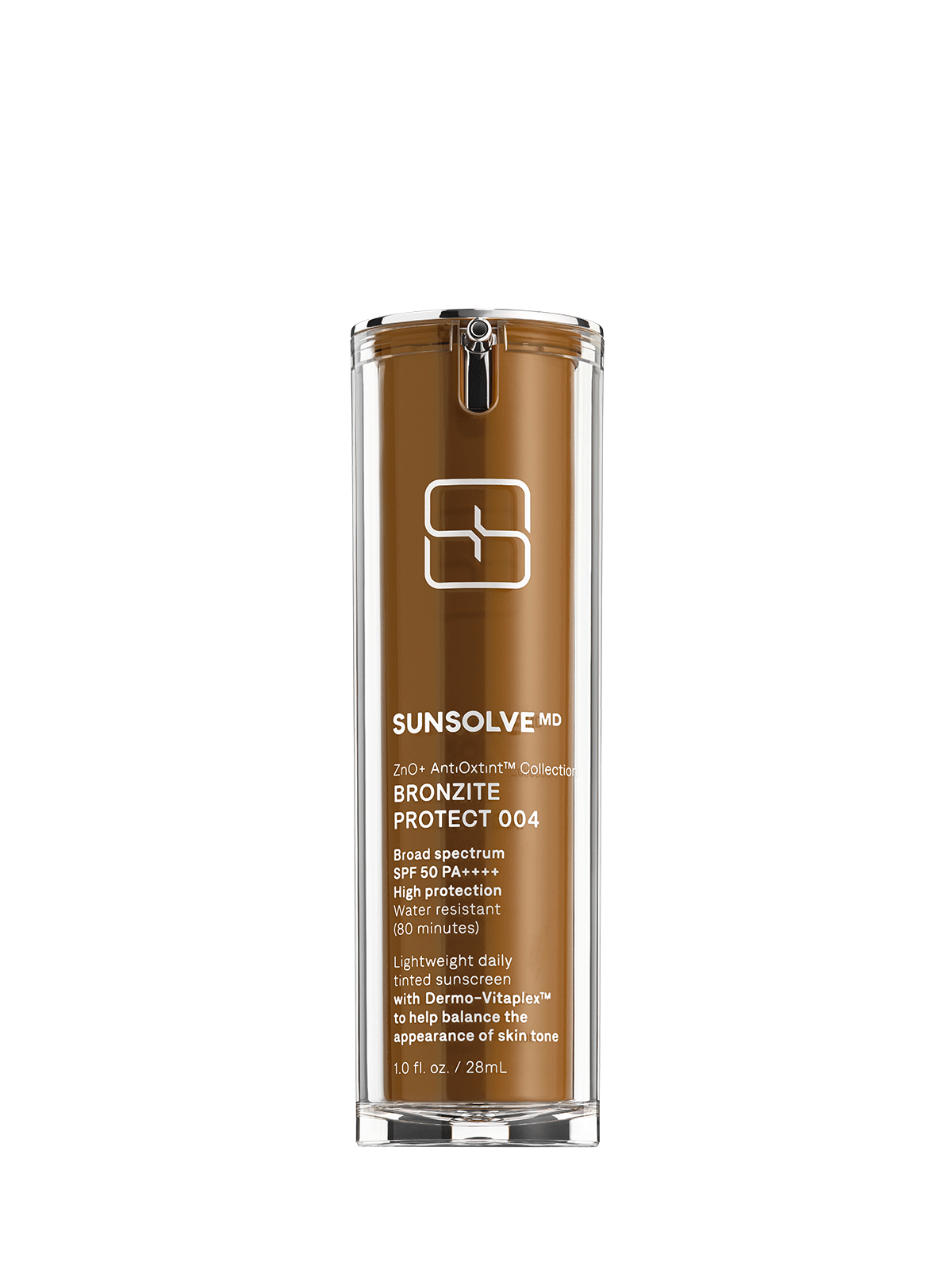
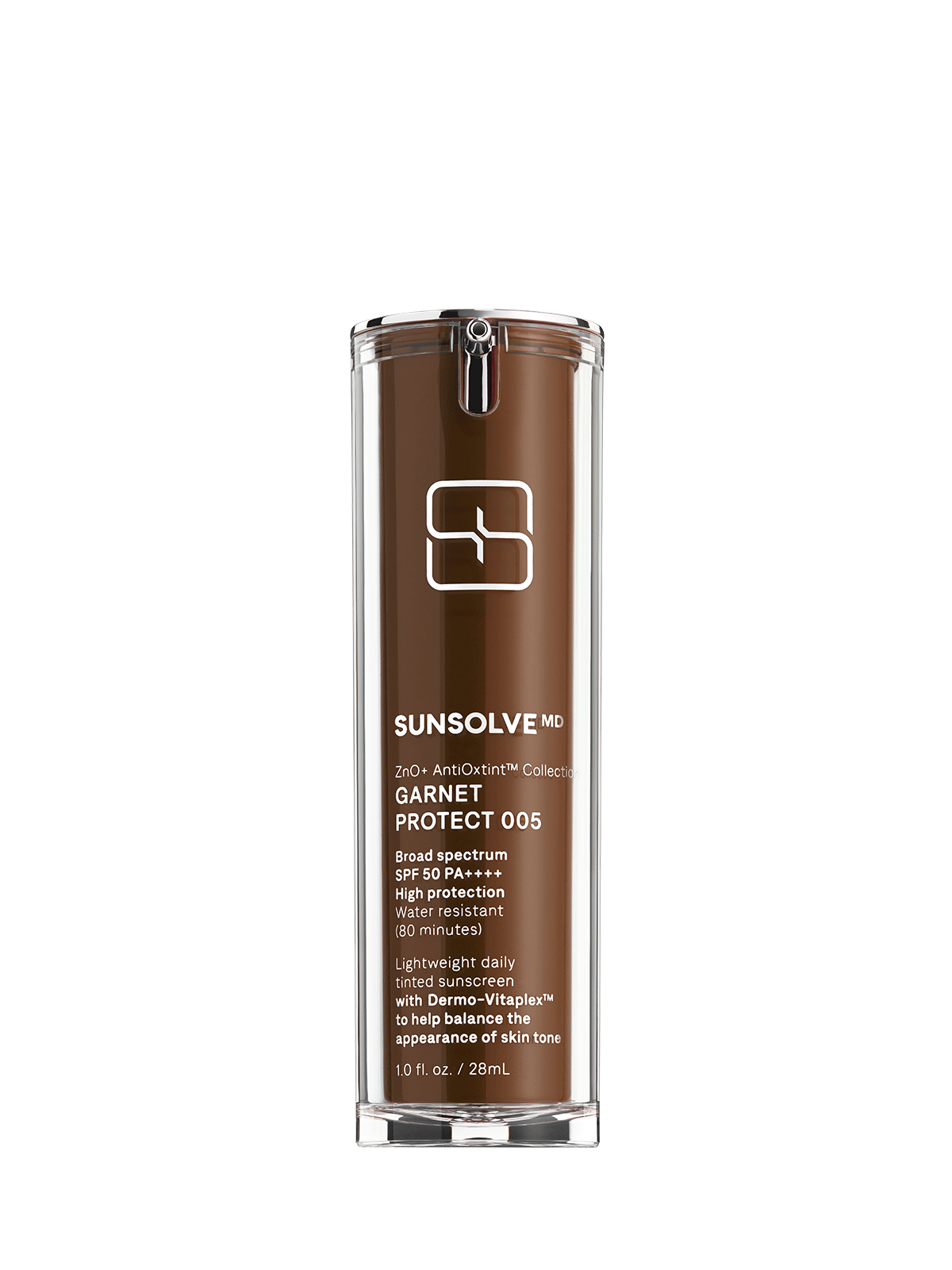
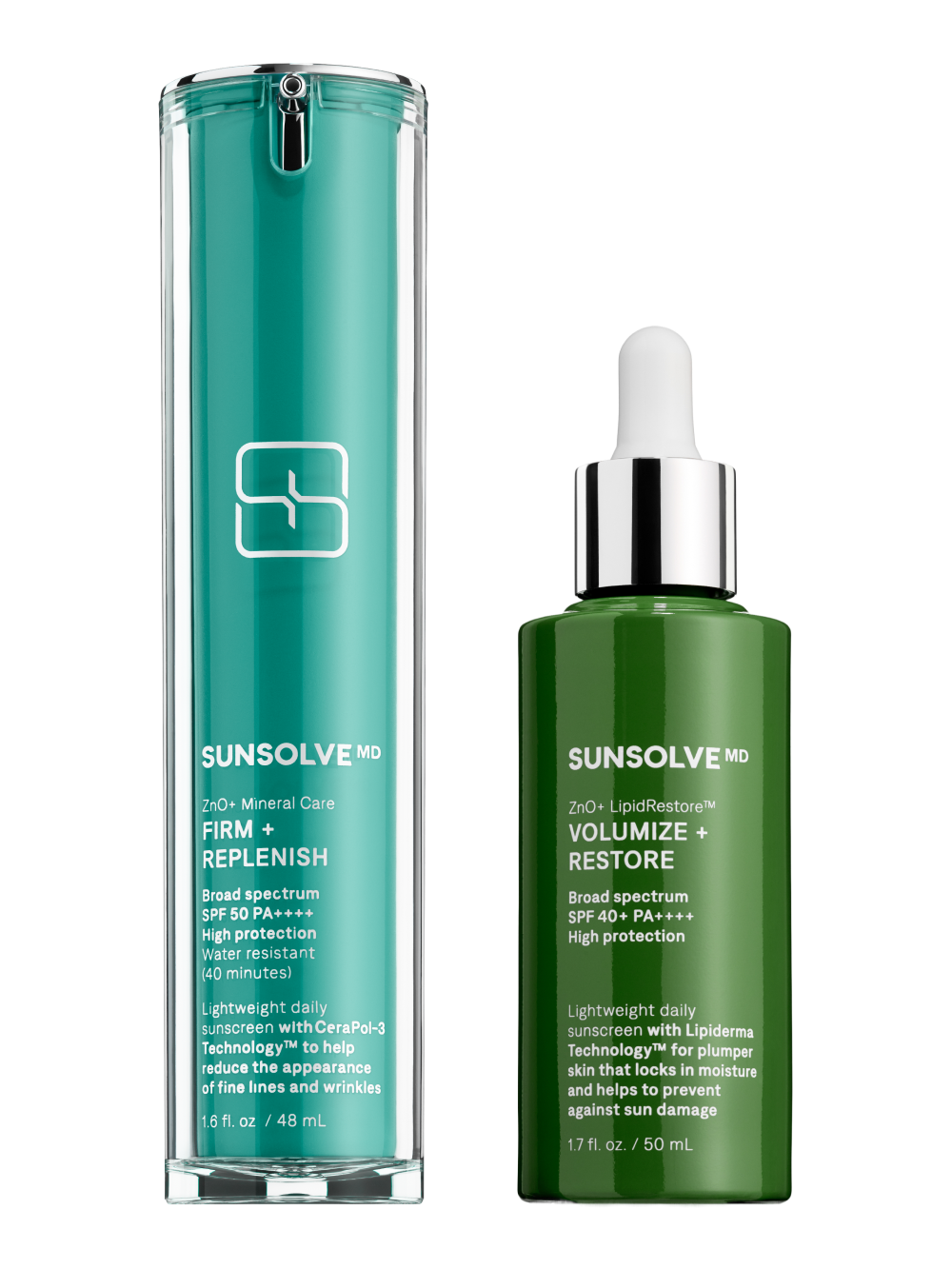
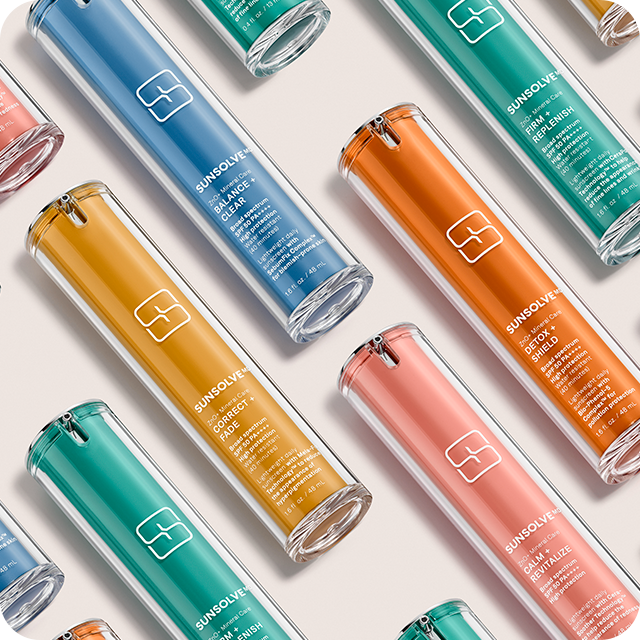
For skin that is already delicate, the type of sunscreen matters as much as the habit. Mineral formulas shield from the skin's surface, and zinc oxide brings a calming quality that compromised skin appreciates. A zinc oxide SPF for sensitive skin protection closes the barrier's biggest vulnerability each morning while asking nothing of it in return.
Touching, Picking And Rough Handling
Hands carry oil, friction and bacteria to the face dozens of times a day. Picking at blemishes or flaky patches converts minor congestion into broken skin, inflammation and long-lived marks.
Rough towel-drying belongs in the same category, dragging at damp skin when a gentle pat achieves the same result. The barrier repairs itself best when it is simply left alone.
The Wider Lifestyle
A few habits damage the barrier from the inside. Short sleep measurably slows overnight skin repair and raises cortisol, which thins the barrier over time.
Chronic dehydration leaves less water available to the skin, and diets very low in healthy fats deprive it of the raw materials for lipid production. Smoking constricts the blood supply that skin repair depends on.
None of these requires perfection, but each one nudges the barrier's nightly maintenance budget in the wrong direction.
Rebuilding From Here
If several of these habits look familiar and your skin has been telling you so, the route back is reassuringly simple. Wash warm, cleanse gently, moisturise daily, pause the excess actives, keep hands off, and put sunscreen on every single morning.
Within a few weeks of consistent care, a barrier that seemed permanently temperamental usually reveals itself to have been merely exhausted.
FAQs
How do I know if my skin barrier is damaged?
The classic signs are persistent tightness, redness, flaking, a sting when applying ordinary products, and skin that swings between dehydrated and oily. Breakouts in unusual places and a rough, dull texture are common companions. If familiar products have recently started to irritate, the barrier is the first suspect.
How long does a damaged skin barrier take to heal?
With gentle, consistent care, mild damage typically resolves in two to four weeks, which reflects the skin's natural renewal cycle. Long-standing damage from years of harsh habits can take a couple of months to fully settle. The timeline shortens dramatically once the damaging habit itself stops.
Can I still use retinol and acids if I want to protect my barrier?
Yes, in moderation and with support. Introduce one active at a time, use it two or three evenings a week, avoid layering multiple actives in a single routine, and anchor everything with daily moisturiser and morning SPF. A healthy barrier actually improves your tolerance of actives, so the two goals reinforce each other.
Why is sunscreen so important for the skin barrier specifically?
UV radiation breaks down the lipids and cells that form the barrier and triggers inflammation that slows every repair process in the skin. Daily broad-spectrum sunscreen removes that constant source of damage, giving the barrier the conditions to maintain itself. Mineral formulas suit compromised skin especially well because they protect from the surface without penetrating.
Does drinking more water fix a damaged skin barrier?
Hydration helps the skin from within, but it cannot repair a barrier on its own, because the problem is usually lost lipids and external damage at the surface. Combine sensible water intake with topical moisture, gentler cleansing and daily sun protection, and the inside and outside approaches work together.