Skip to content
Graphic of mineral SPF particles and skin barrier

Join The Solve Society. Designed for members to receive exclusive benefits

Explore benefits

Feb 1, 2026

Can Mineral Sunscreen Cause Breakouts?

Can mineral sunscreen cause spots and breakouts? There's a version of this question that comes up occasionally in skincare communities, usually after someone with acne-prone skin has switched to a new mineral SPF and found their skin reacting unexpectedly.

The leap to "mineral sunscreen caused my breakout" is understandable, but it's almost always an incomplete diagnosis.

Scientifically, when it comes to understanding where pimples and breakouts come from, you have to work on an ingredient-by-ingredient basis - without forgetting that external factors also play a role.

Can Mineral Sunscreen Cause Breakouts?

Why The Mineral Sunscreen And Acne Connection Gets Complicated

Acne is multifactorial. Hormones, bacteria, sebum production, barrier function, diet, and stress all play a role, which makes attributing a breakout to any single product genuinely difficult. What tends to be true is that certain formulations, regardless of whether they're mineral or chemical, create conditions that make breakouts more likely in predisposed skin. The filter type is usually less relevant than everything else in the bottle.

That said, there are legitimate reasons why some mineral sunscreens cause congestion. Older or poorly formulated mineral SPFs often rely on thick emollient bases to counteract the heavy, chalky texture of zinc oxide, and those bases, not the zinc itself, are typically where the problem lies. Ingredients like coconut-derived emollients, certain waxes, and silicone derivatives can all contribute to clogged follicles in oily or blemish-prone skin.

What Zinc Oxide Actually Does To Acne-Prone Skin

Zinc oxide has a well-established anti-inflammatory action in dermatology, used for decades in everything from nappy rash creams to wound care precisely because of its ability to calm irritated, compromised skin. A review published in PMC confirmed that topical zinc has been used therapeutically for inflammatory dermatoses including acne vulgaris, and zinc oxide in particular has demonstrated antibacterial properties against acne-causing bacteria and some ability to regulate sebum production.

In other words, if your skin is breaking out after switching to a mineral SPF, zinc oxide is unlikely to be the culprit. It's doing the opposite of what breakout-causing ingredients do.

So What Might Actually Be Causing The Reaction?

A few things worth considering. First, the base formula. A mineral SPF can still contain fragrance, occlusive emollients, or silicone-heavy textures that cause congestion even though the active ingredient is benign. Reading past "mineral" on the label to the full ingredient list is worthwhile.

Second, the timing. If you've recently started or ramped up any active ingredients, retinoids, AHAs, prescription topicals, your skin may already be in a state of increased sensitivity and reactivity. Pairing those with a new SPF can make attribution feel straightforward when it's actually more complex.

While sunscreen and acne treatments are compatible - in fact, strongly encouraged - overloading your skin with lots of new products at once can cause irritation or sensitivity breakouts. And what’s worse, you won't always know which one is causing the problem because you’ve added more than one to your lineup. For this reason, it’s always a good idea to introduce only one new product at a time into your skincare routine within a period of 28-40 days, which corresponds to a full skin cycle. This allows you to easily identify products that irritate your skin or break you out, so you can cut them out of your routine as early as possible.

Third, application habits. Sunscreen applied over layers that haven't fully absorbed, or reapplied repeatedly over a day's worth of oil and product residue, can tip into congestion even with a formula that would otherwise suit your skin.


The Case For Patch Testing Before Committing

If you've had bad experiences with SPFs in the past, it's worth approaching new formulas methodically rather than writing off the entire category. Apply a small amount to the inner arm for a few days before using it on your face. It won't tell you everything, but it'll flag obvious sensitivities before you've committed a full week of daily use to a formula that doesn't suit you.

Switching formula type, specifically to something fragrance-free, silicone-free, and non-comedogenic, resolves the issue for most people. The evidence strongly supports mineral SPF as the more skin-compatible choice for acne-prone skin when the formulation is right.

Science-Led Sunscreen By SunsolveMD, Designed for Acne-Prone Skin

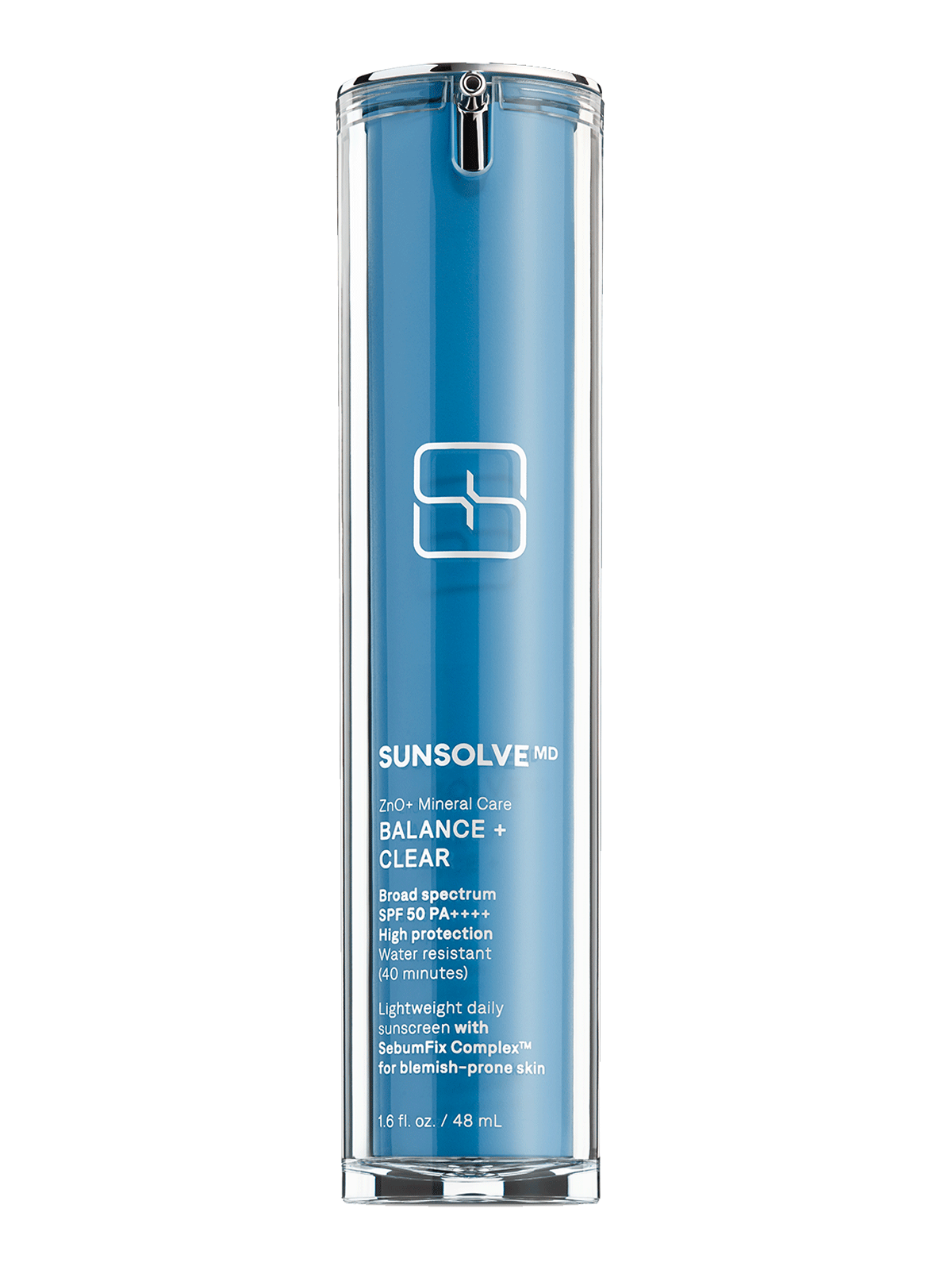
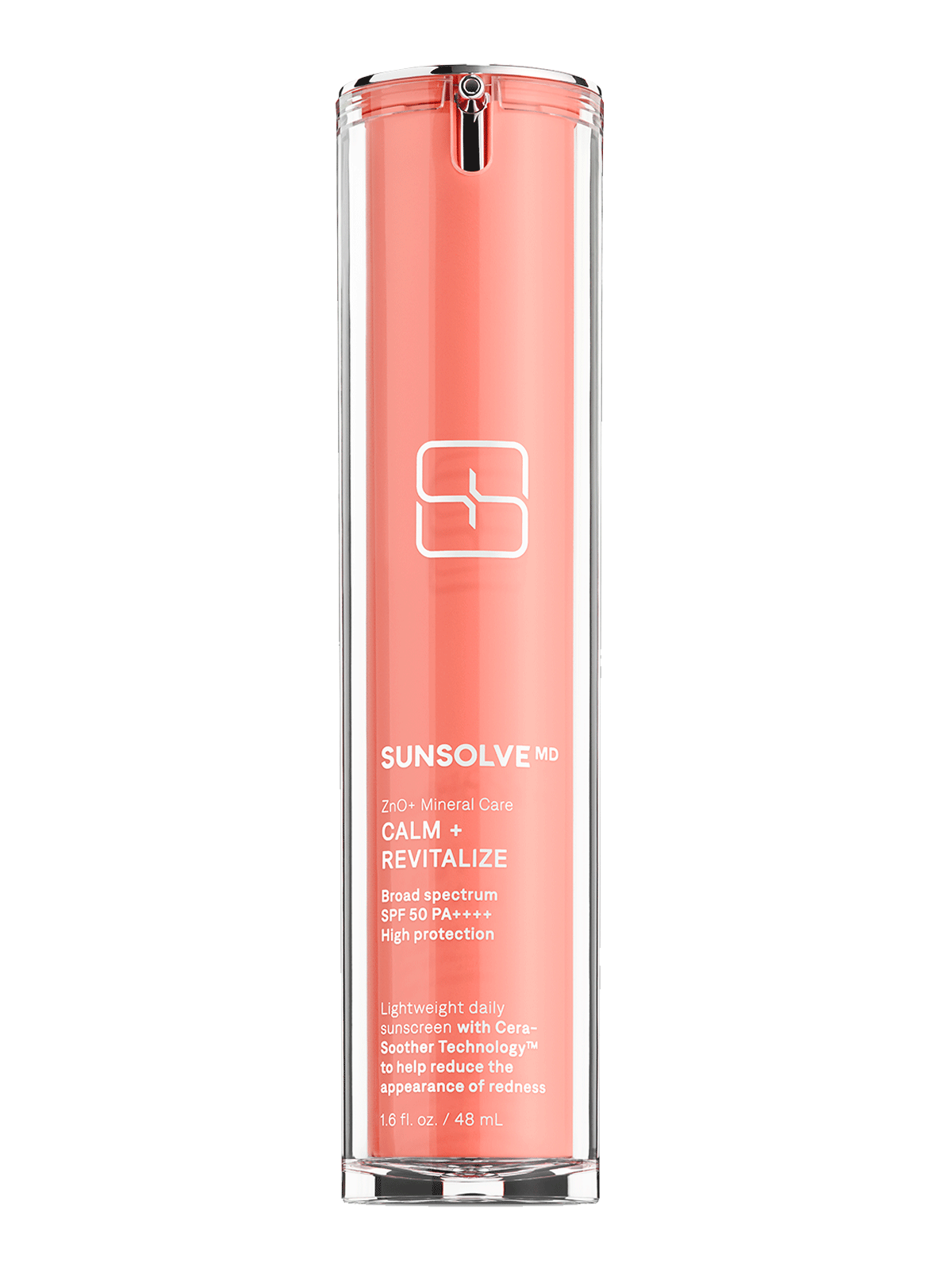
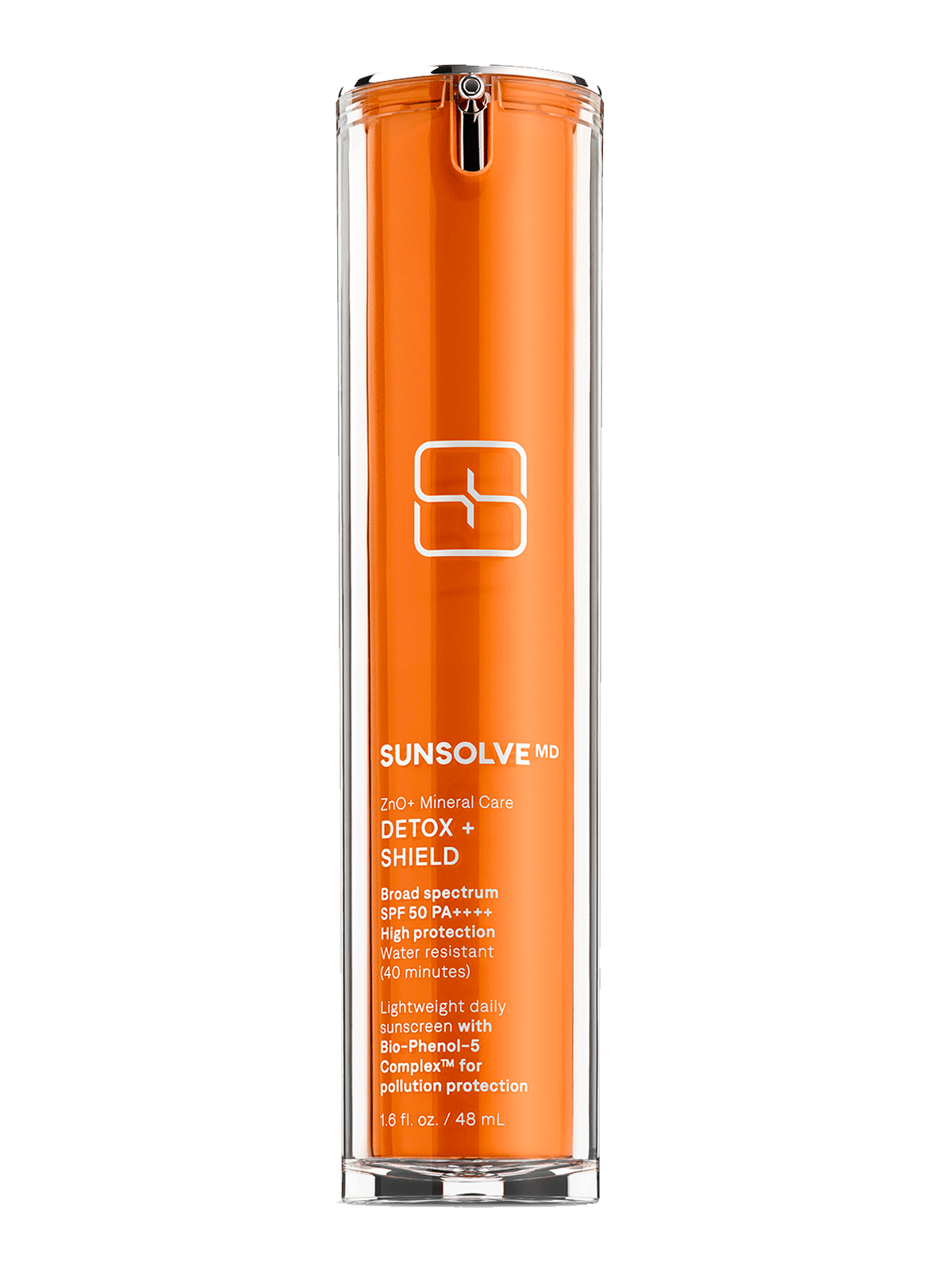
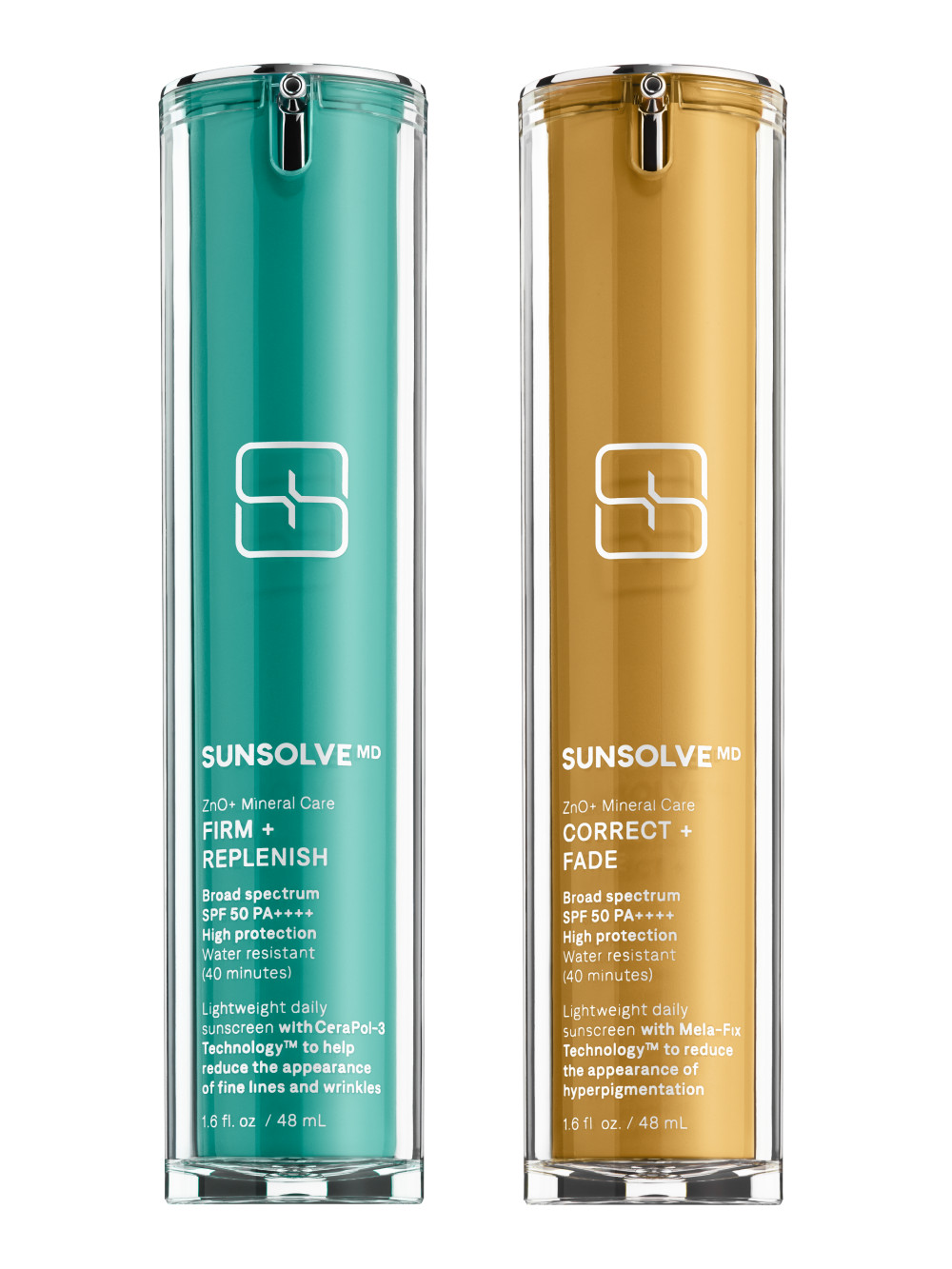
At SunsolveMD, our range of mineral-based sunscreens is formulated without fragrance, without silicones, and without the occlusive bases that tend to cause congestion. Non-nano zinc oxide is the active throughout, and each formula is clinically developed for skin that's reactive, blemish-prone, or in active treatment, designed to work with your skin rather than complicate it.

FAQs

Can mineral sunscreen make cystic acne worse?

Cystic acne is driven primarily by hormonal and inflammatory factors rather than topical products. A fragrance-free, non-comedogenic mineral SPF is unlikely to worsen it, though very occlusive formulas can aggravate any existing inflammation. If cystic acne is a concern, it's worth discussing your full routine with a dermatologist.

Is titanium dioxide as acne-friendly as zinc oxide?

Both are generally non-comedogenic, but zinc oxide has the additional advantage of anti-inflammatory and mild antibacterial properties that titanium dioxide doesn't share. For acne-prone skin, a zinc-dominant formula tends to be the more functional choice.

How long should I give a new mineral SPF before deciding it's causing breakouts?

At least two to three weeks, accounting for the skin's natural cell turnover cycle. Breakouts that appear within the first few days of using a new product are often coincidental or related to something else in the routine rather than the new product itself.

Should I avoid SPF on active breakouts?

No. UV exposure can worsen inflammation and significantly darken post-inflammatory hyperpigmentation marks, making active breakouts both more uncomfortable and longer-lasting. A lightweight, non-comedogenic mineral SPF is appropriate and beneficial even on broken-out skin.

Trending Topics

Stay Trendy with Our Latest Insights

Why SPF Is Non-Negotiable for Every Skin Type

Once thought of as a concern almost exclusive to older generations, those with fair skin, or anyone who religiously (over) uses sunbeds, skin cancer is now on the rise across all demographics. Desp...

Sunscreen and Acne Treatments -  What You Need To Know
Sunscreen and Acne Treatments - What You Need To Know

If you’re undergoing professional or medical treatments for acne or acne scars, such as chemical peels, microneedling, laser therapy, or prescription medications, sun protection becomes essential. ...

Ways To Reduce Your Carbon Footprint With SPF

Decoding SPF and your carbon footprint. How to make more discerning choices with mineral sunscreens that not only safeguard your skin but are sustainably savvy.

Rosacea & SPF: How To Choose The Right Sunscreen

Rosacea is a common skin condition characterized by facial redness and inflammation. Follow this guide to choose the right sunscreen if you have rosacea.
A Dermatologists’ Guide To Photodamage And Dark Skin

Dermatologists weigh in on photodamage and dark skin (and how SPF is here to help). Read more.

Going to the Beach With Psoriasis: Risks and Benefits

Psoriasis is an immune-mediated disease. This is your scientific guide to safely treating psoriasis with natural sunlight.