Only Wearing Sunscreen in the Summer
Many of us are guilty of reserving sunscreen use only for sunny summer days or vacations.
However, this seasonal approach leaves your skin vulnerable to UV damage year-round, as certain rays, such as the UVAs, do not cause you to burn but are present every day, at the same intensity regardless of weather or season with the same capacity to cause severe skin damage as much as a single sunburn.
These rays carry environmental pollutants that penetrate deep into the skin and directly affect the DNA of cells, causing them to become slow to recover and leading to the accumulation of damage, which often manifests on the skin as premature aging, uneven skin tone, and hyperpigmentation.
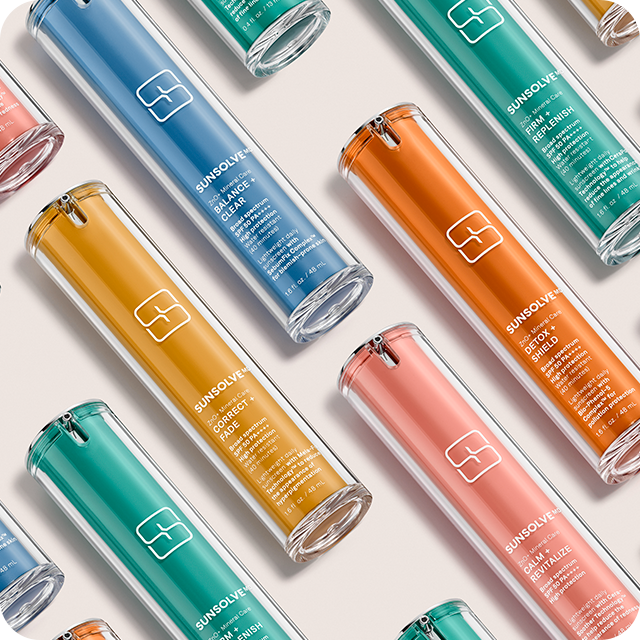
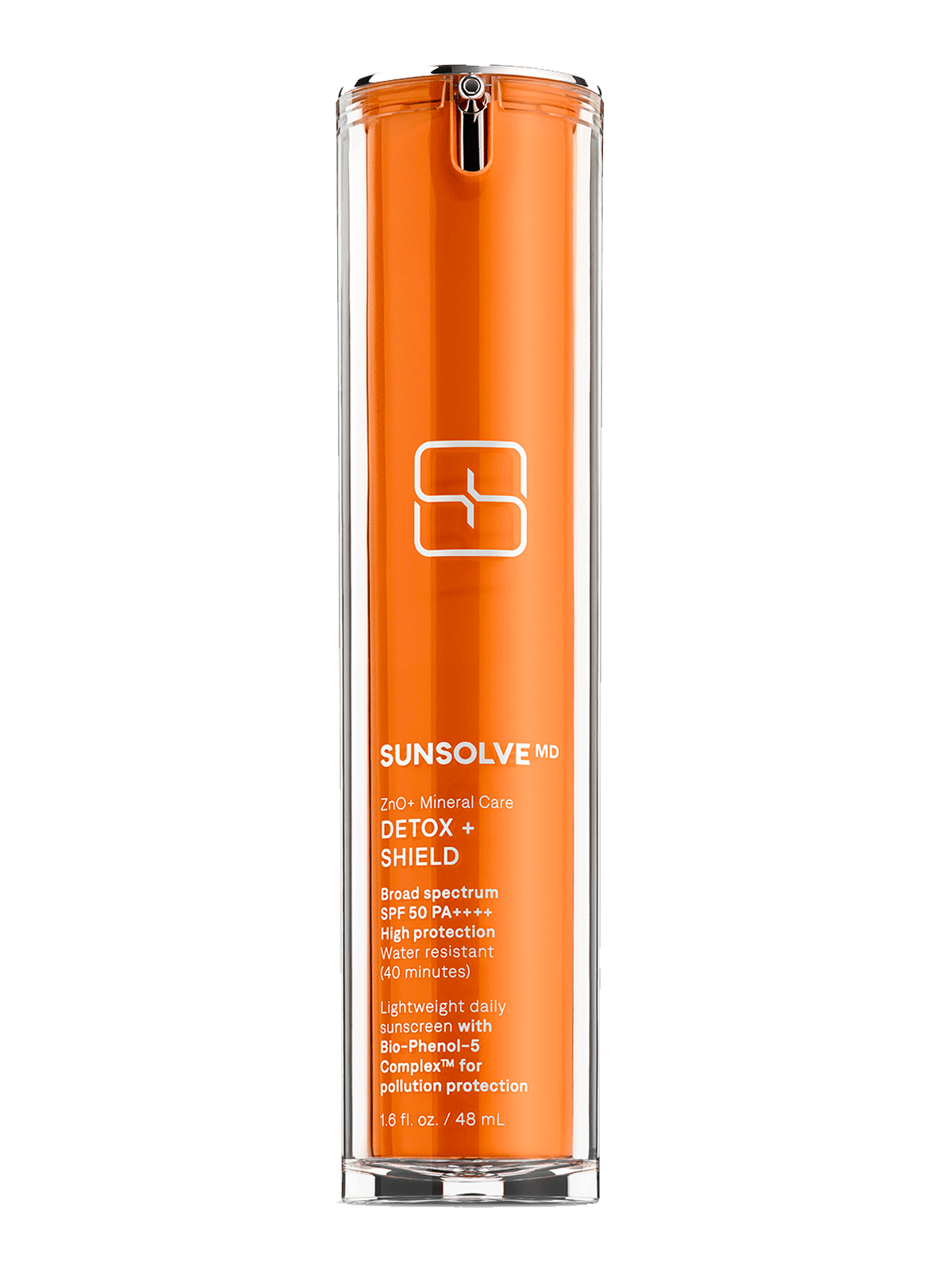
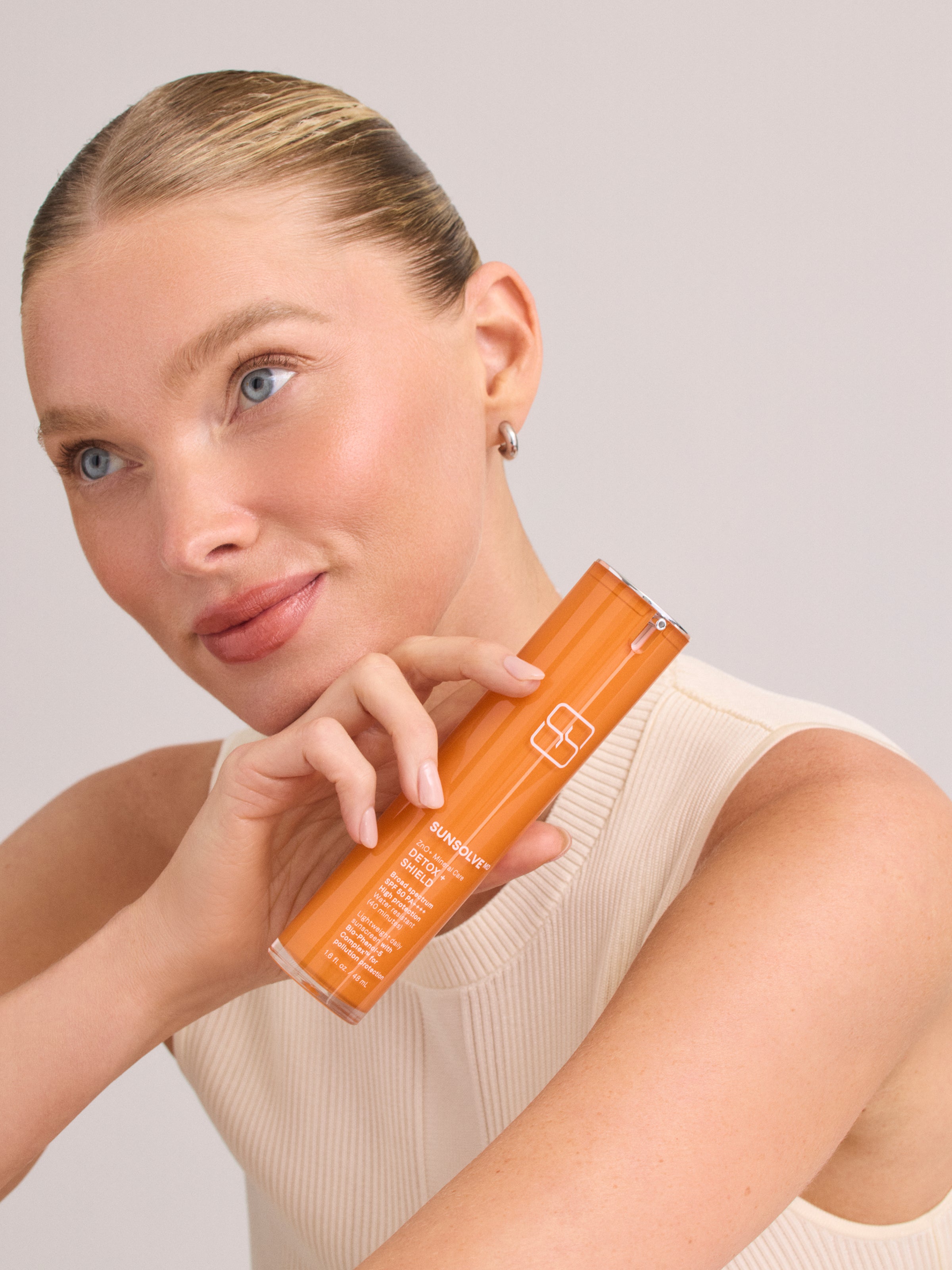
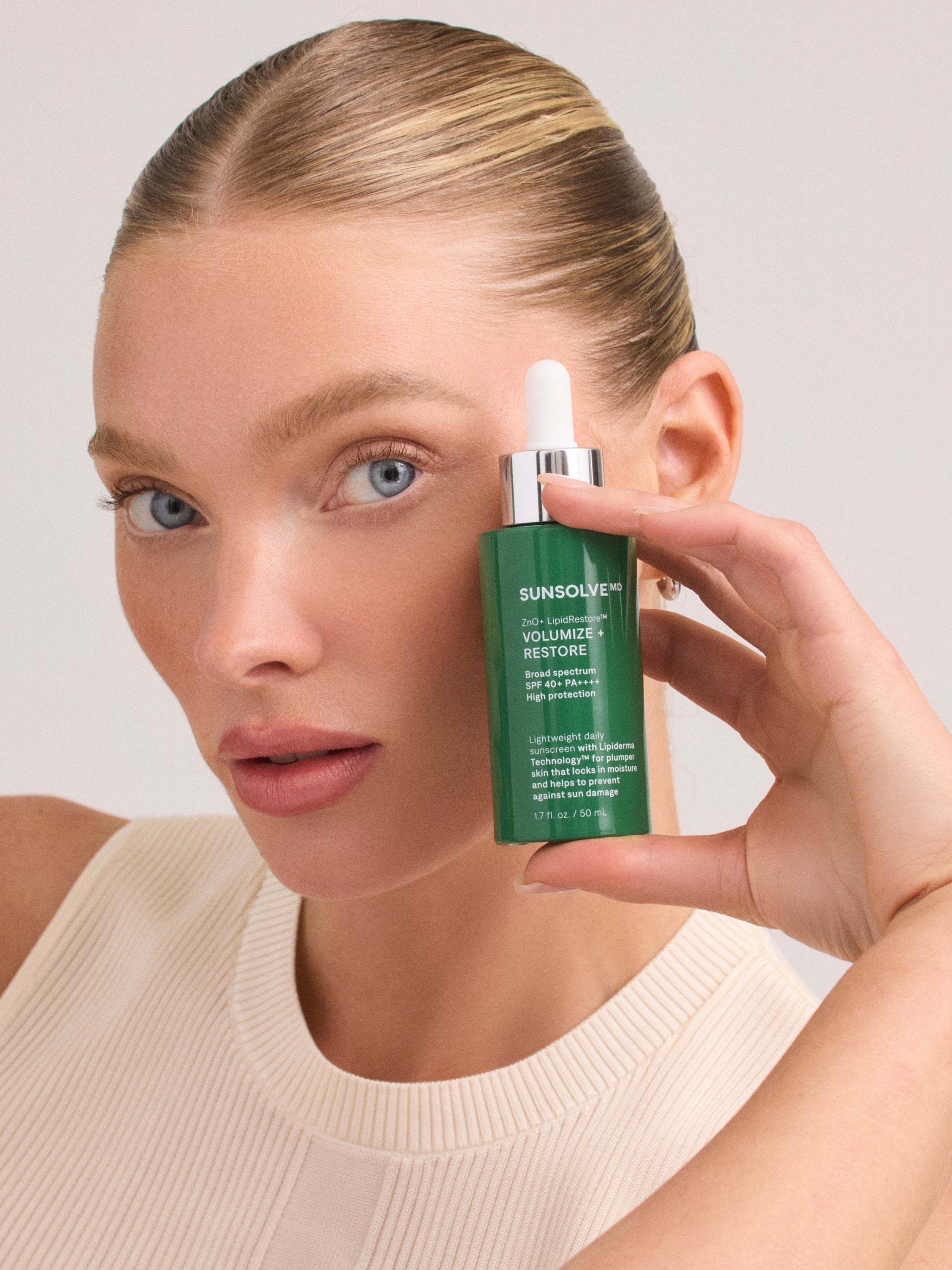
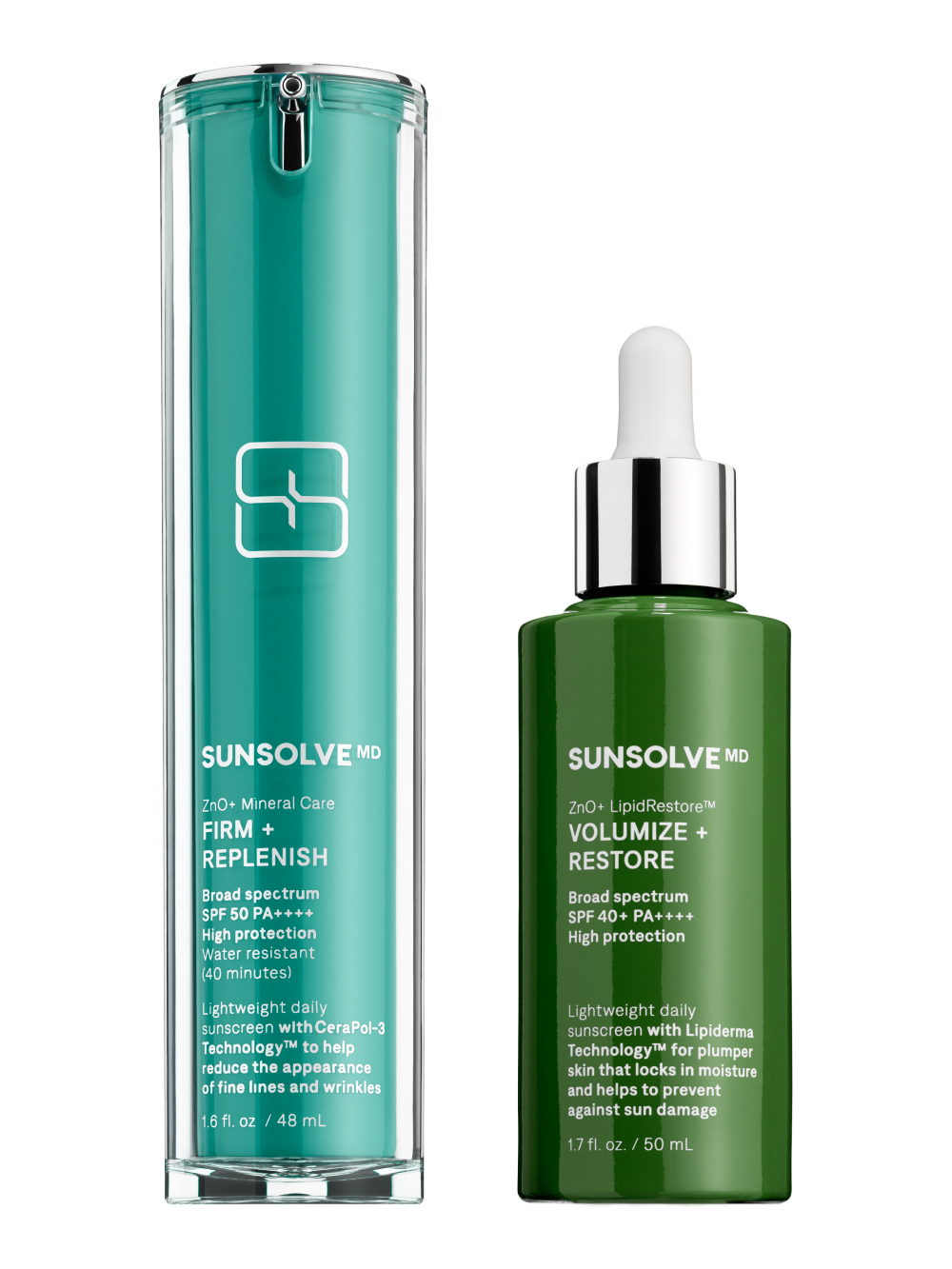
Therefore, incorporating daily sunscreen, such as unique formulas like SunsolveMD's Detox + Shield, which contain powerful antioxidants to defend your skin against both UV and environmental pollution, not only means protection but also consistent maintenance of a healthy, radiant complexion all year round.
Forgetting About Expiry Dates
Like all skincare products, sunscreens have expiration dates that must be respected to ensure they provide adequate protection at all times.
Over time, the active ingredients in sunscreen degrade and lose their effectiveness, meaning that expired sunscreen may no longer effectively shield your skin from harmful UV rays.
Expired sunscreens may also show physical changes, such as separation, changes in texture, color, or scent, which are good indicators that the product is no longer reliable.
In addition to not protecting your skin to the best of their abilities, other expired sunscreen effects may include irritation and allergic reactions, which can further compromise the skin's ability to recover from damage.
Therefore, regularly checking your sunscreen’s expiration date and replacing old or degraded products is a simple yet crucial step to ensure your skin remains fully protected and supported every time you step outside.
Applying Makeup Immediately After Sunscreen
Applying makeup immediately after sunscreen may not allow the product enough time to set, which can cause it to move around, leading to uneven coverage and reduced protection in some areas.
To avoid this, allow your sunscreen to set for anywhere from 3 to 5 minutes before applying complexion products to ensure maximum protection against UV damage.
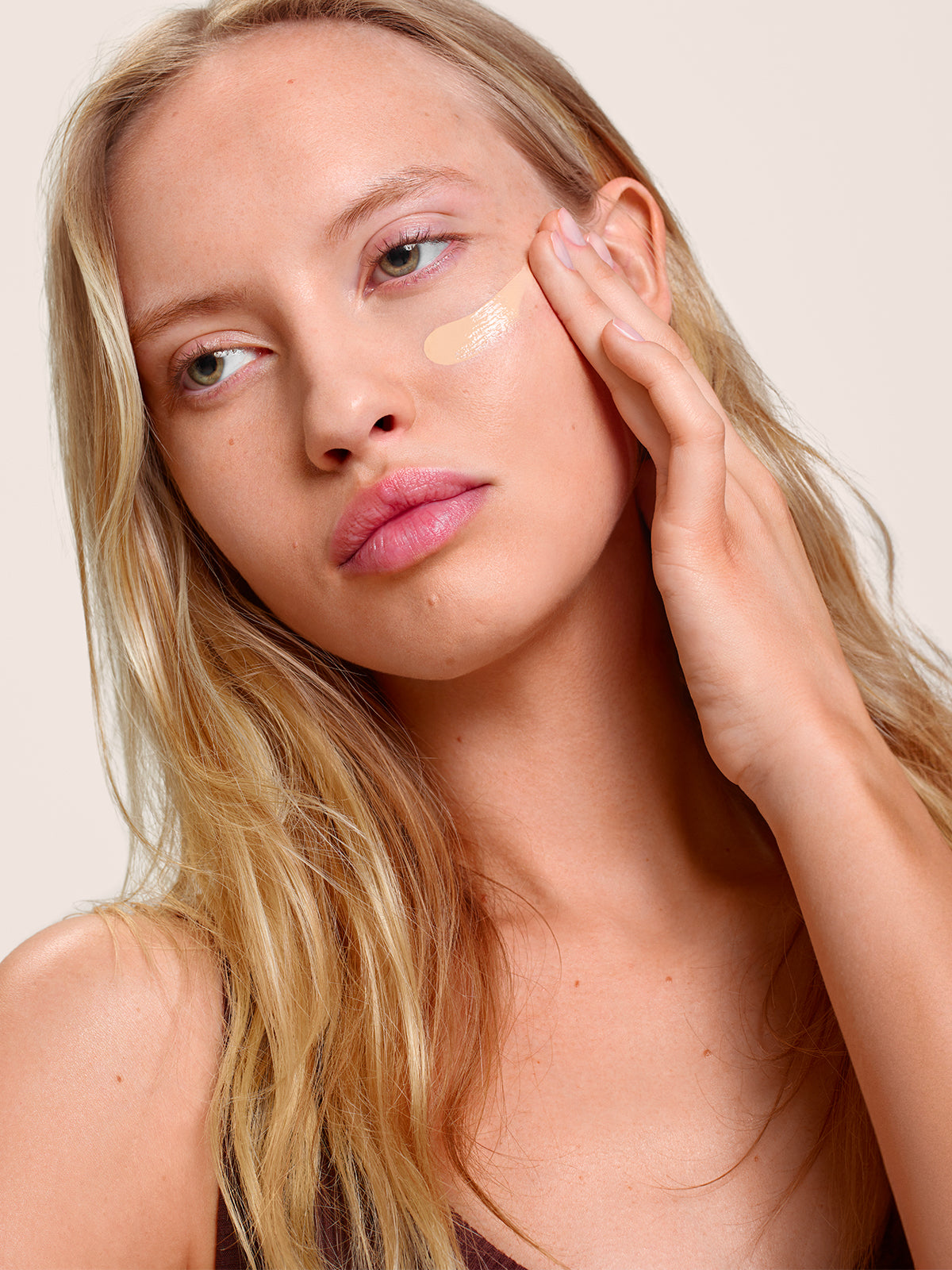
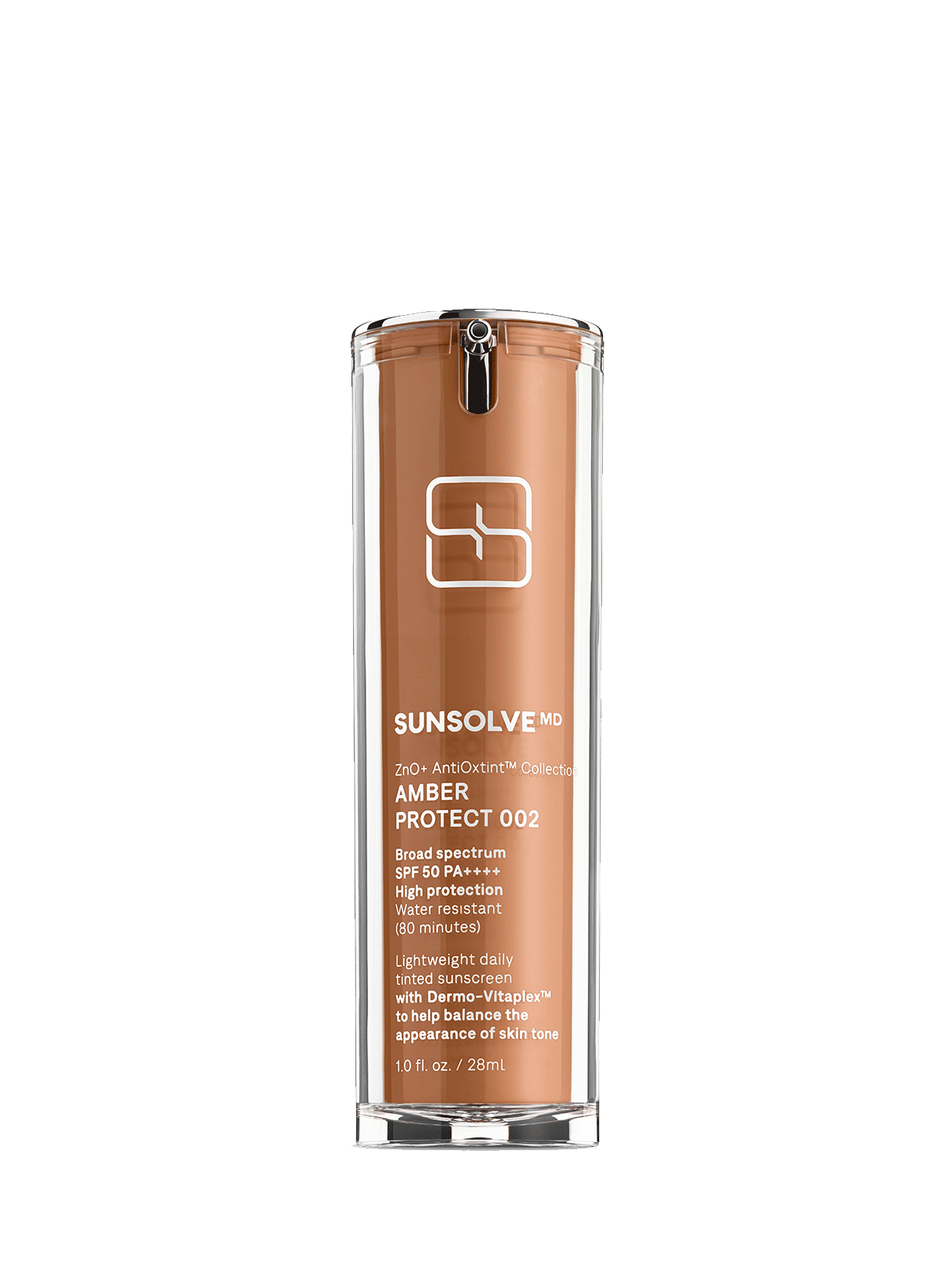
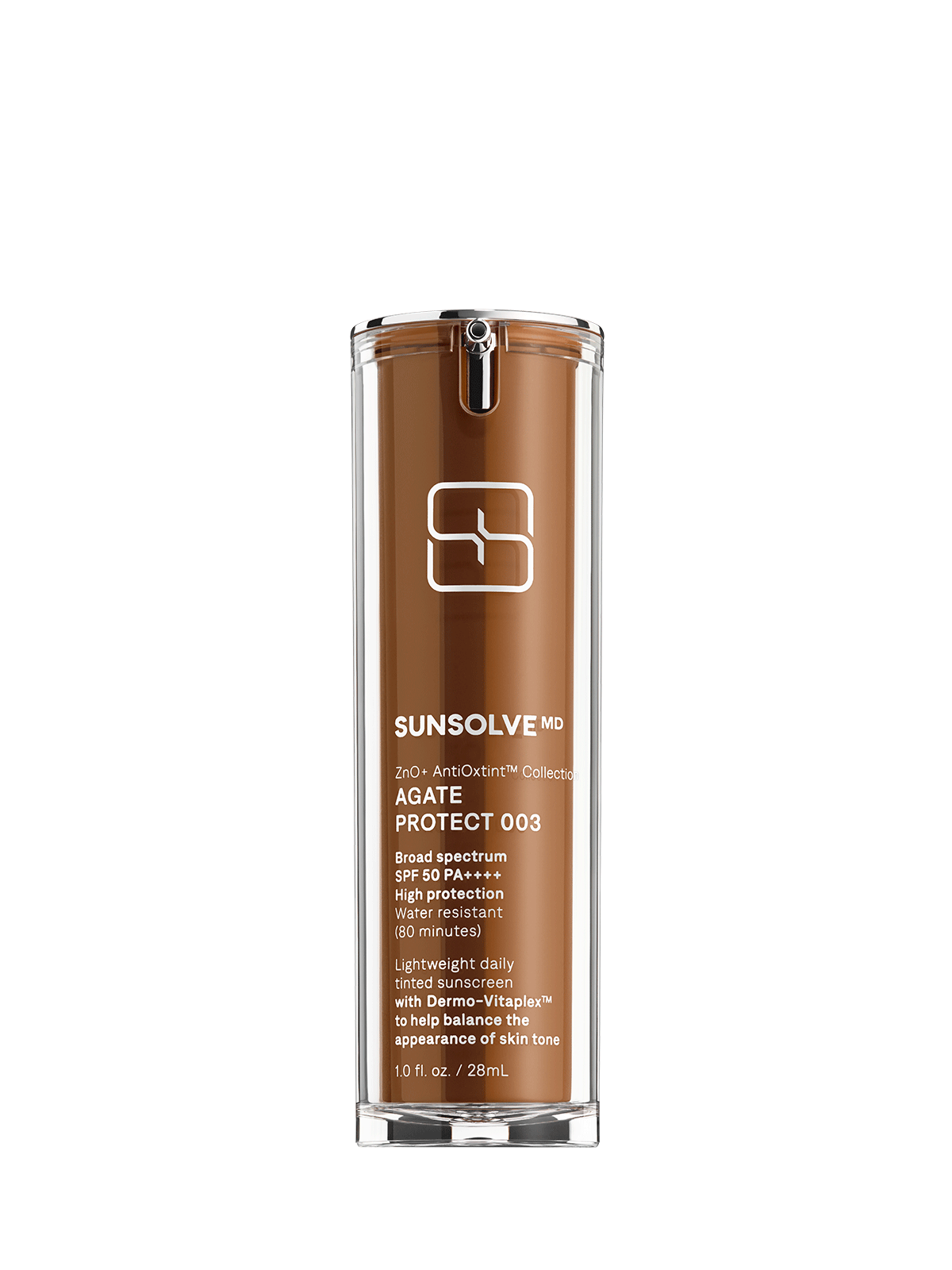
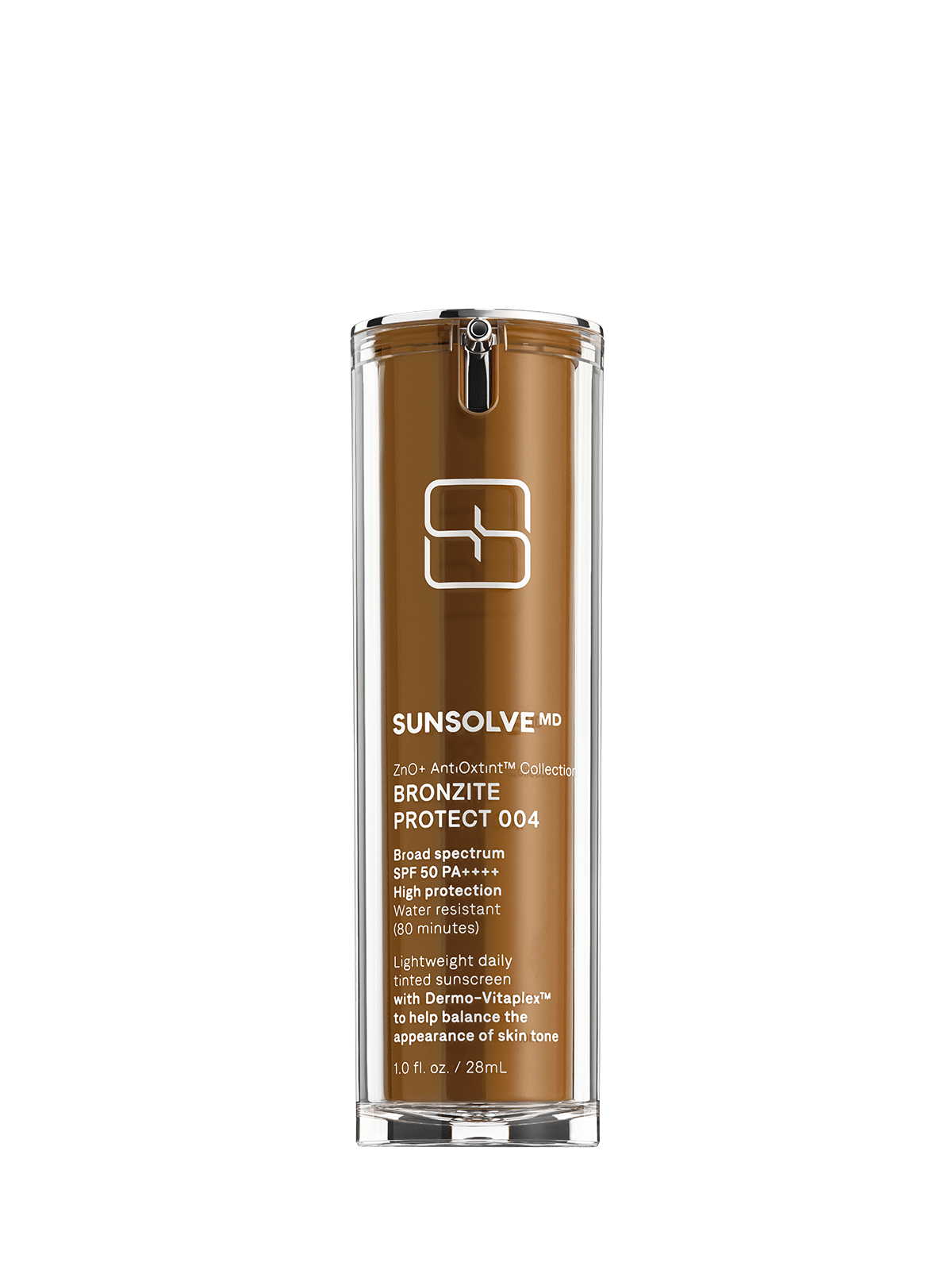
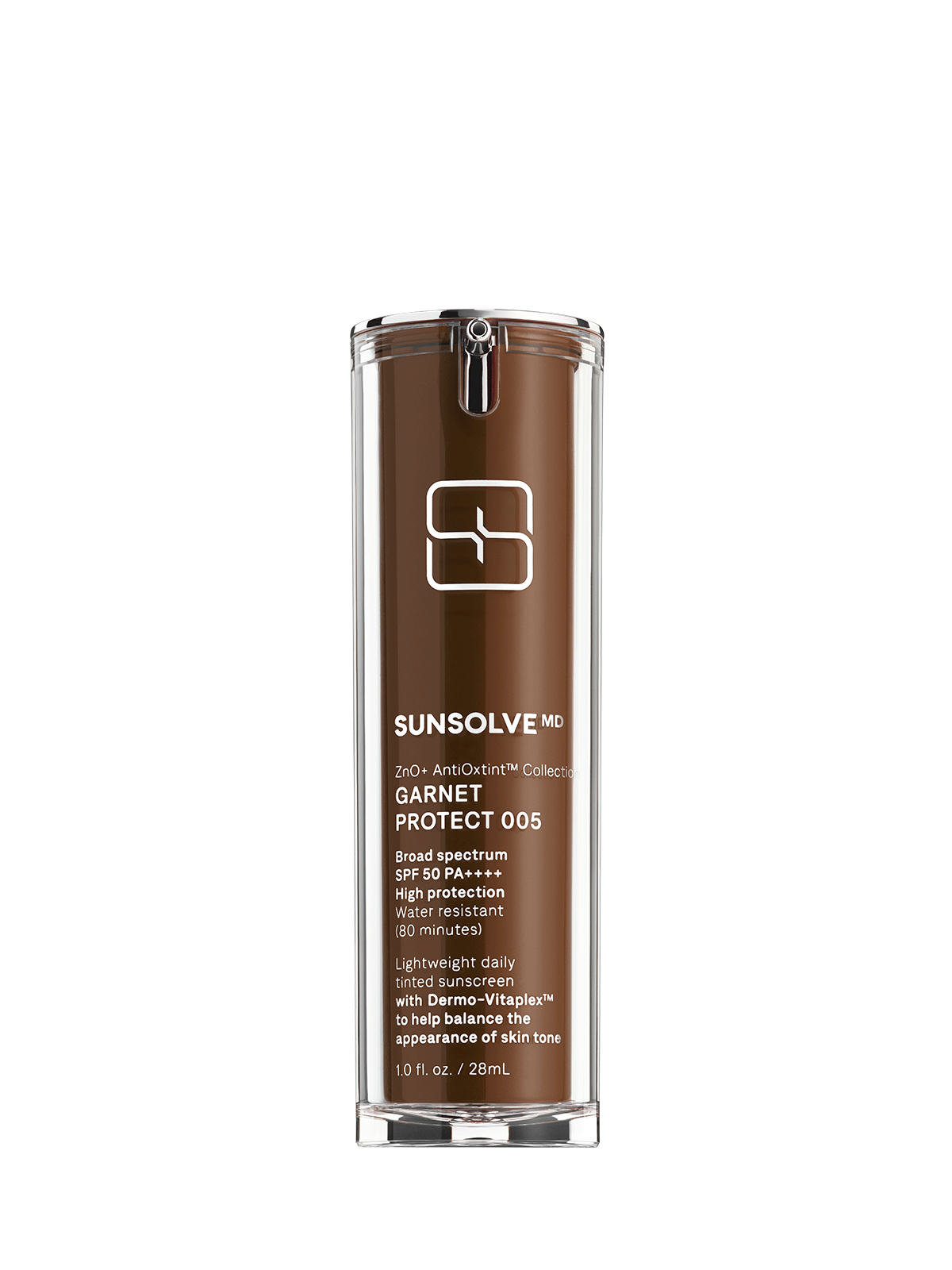
However, if you often find yourself in a hurry while getting ready, explore SunsolveMD's tinted sunscreen range for a product that's lightweight, blendable, and offers protection and coverage without the wait.
Bottom Line
Whether you are an SPF-savvy individual or a beginner just starting to gain awareness of the importance of sunscreen in your daily routine, anyone can make simple mistakes that can leave their skin vulnerable to damage.
Therefore, by understanding and avoiding these common pitfalls, you can significantly enhance your sun protection and, consequently, your overall skin health.
Additionally, with innovative options like SunsolveMD, which cater to every skin type, routine, and habit, making sun protection a seamless and efficient part of your daily routine is easier than ever, regardless of the season.
References
Anna Lien-Lun Chien, M.D. Sunscreen and Your Morning Routine. Available at: https://www.hopkinsmedicine.org/health/wellness-and-prevention/sunscreen-and-your-morning-routine