




Zinc Oxide vs Titanium Dioxide Sunscreen: Which is Better?
The mineral sunscreen category rests on two ingredients: zinc oxide and titanium dioxide. Both have been used as UV filters for decades, both are FDA-approved as Generally Recognised As Safe and Effective, and both sit on the surface of the skin rather than absorbing into it. To most consumers, they look interchangeable. They aren't quite, and the differences are worth understanding if you are choosing between formulations that prioritise one over the other.
The conversation has tilted increasingly toward zinc oxide over the last decade, and not without reason. The clinical evidence has accumulated in zinc's favour on several variables that matter, particularly for sensitive, post-procedure, and reactive skin types. Titanium dioxide still has its place, but it is increasingly used in combination with zinc rather than as the primary active.
How Each One Works
Both filters function through the same broad mechanism: they sit on the surface of the skin and form a physical barrier that reflects, scatters, and (to a smaller degree) absorbs UV radiation. The difference is in the wavelength range each one covers most effectively.
Zinc oxide is a true broad-spectrum filter. It covers the full UVA range (320 to 400 nanometres) and the UVB range (290 to 320 nanometres) with relatively even coverage across both. This is the dermatological gold standard for sun protection, because UVA is the wavelength responsible for most photoageing and deep dermal damage, and many chemical filters cover it poorly.
Titanium dioxide covers UVB and the shorter wavelengths of UVA effectively but provides less protection in the longer UVA range, particularly the UVA-1 wavelengths around 340 to 400 nanometres. This is the wavelength range that penetrates deepest into the skin and contributes most to photoageing. A sunscreen formulated with titanium dioxide alone is generally less protective against UVA-1 than one formulated with zinc oxide.
This is the primary reason why zinc sunscreen is so popular, especially when it comes to genuinely broad-spectrum protection.
The Sensitivity Difference
Zinc oxide has well-documented anti-inflammatory properties. It is used in nappy rash creams, post-procedure recovery balms, and skin protectants precisely because it calms reactive skin rather than provoking it. The mechanism appears to involve modulation of inflammatory cytokines at the skin's surface, though the full pathway is still being studied.
Titanium dioxide is also generally well-tolerated, but it doesn't have the same anti-inflammatory profile. For acne-prone skin in particular, zinc oxide has a meaningful advantage; it has been studied for its ability to reduce sebum production, calm active breakouts, and minimize the post-inflammatory hyperpigmentation that often follows acne. Titanium dioxide is neutral on these counts rather than actively beneficial.
The White Cast Question

Both ingredients are inherently white, which has historically been the cosmetic drawback of mineral sunscreens. Modern micronisation has addressed this for both, but the cast profile is slightly different between the two.
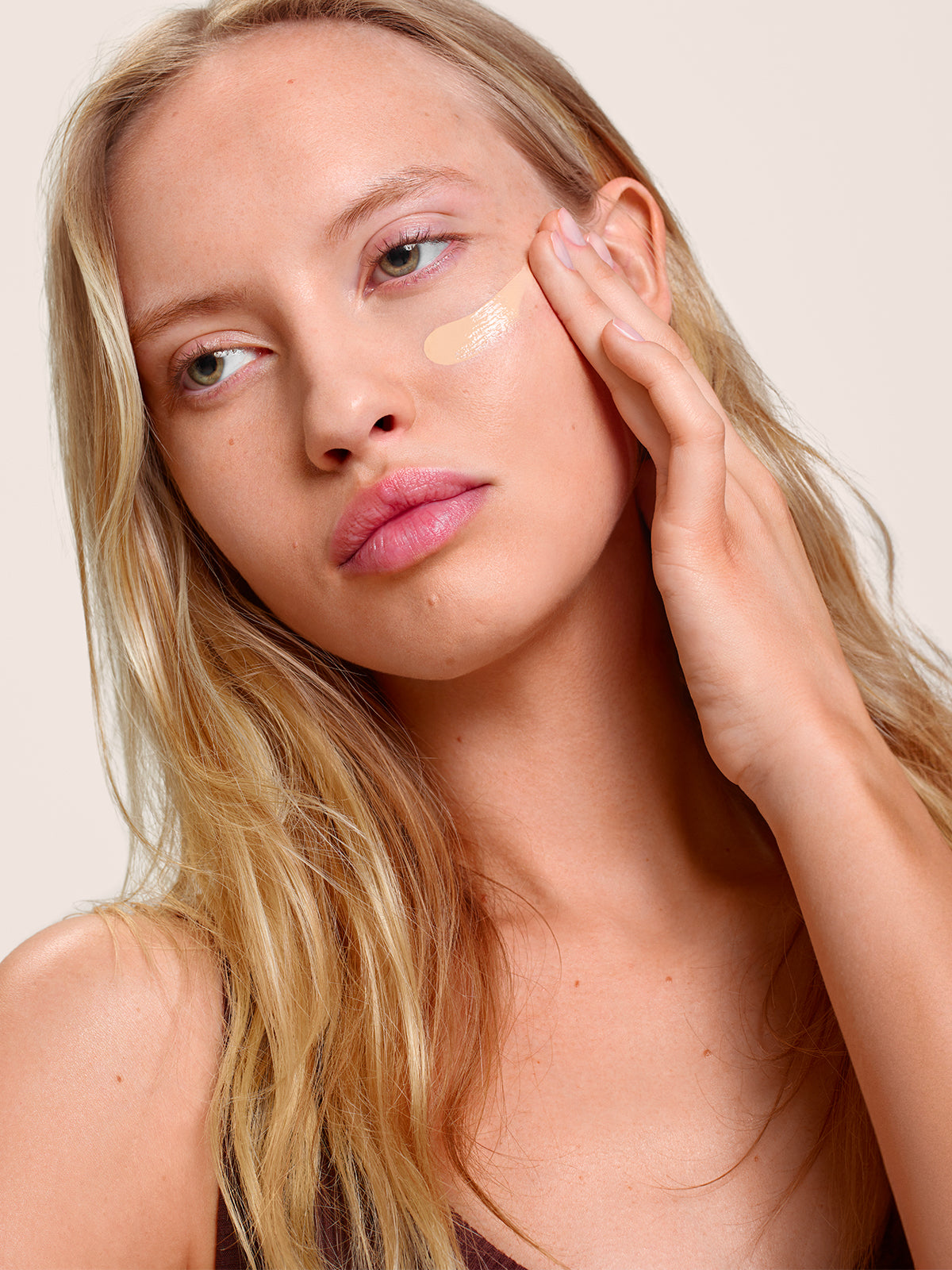
Titanium dioxide tends to leave a more visible white cast than well-formulated non-nano zinc oxide, particularly on deeper skin tones. This is partly a matter of particle size and partly the optical properties of the mineral itself. The cosmetic preference at the formulation level has shifted toward zinc accordingly, with most premium mineral SPF now leading with zinc oxide at 10 to 12% concentration and using titanium dioxide as a supporting filter rather than the primary active.
Photostability And Reactivity
Both filters are photostable, meaning they do not break down under UV exposure the way some chemical filters can. This is one of the advantages of mineral SPF generally.
Titanium dioxide does have a documented photoreactivity issue in its uncoated form; when activated by UV, it can generate free radicals at the skin's surface, which somewhat undermines the protective intent. Modern titanium dioxide formulations address this by coating the particles in inert materials (silica, alumina, dimethicone) that prevent the photoreactivity without compromising the UV protection. Zinc oxide does not have the same issue and does not require coating to remain photostable.
When Each One Is The Right Choice
Zinc oxide is the better choice for most people in most circumstances. It offers broader UVA coverage, anti-inflammatory benefits, better tolerability on reactive and acne-prone skin, and a more cosmetically elegant finish in modern formulations. For sensitive skin, post-procedure use, rosacea, and skin managing pigmentation, it is the default recommendation.
Titanium dioxide has a place primarily in combination formulations, where it can complement zinc oxide for shorter wavelength UVB coverage. As a standalone mineral active, it is increasingly considered second-best to zinc, particularly when full broad-spectrum protection is the priority.
For inhalation safety reasons, titanium dioxide should be avoided in spray and powder formulations, where the International Agency for Research on Cancer has flagged potential concerns about inhaling the particles. Zinc oxide is preferable in those formats.
Science-Led Sunscreen By SunsolveMD
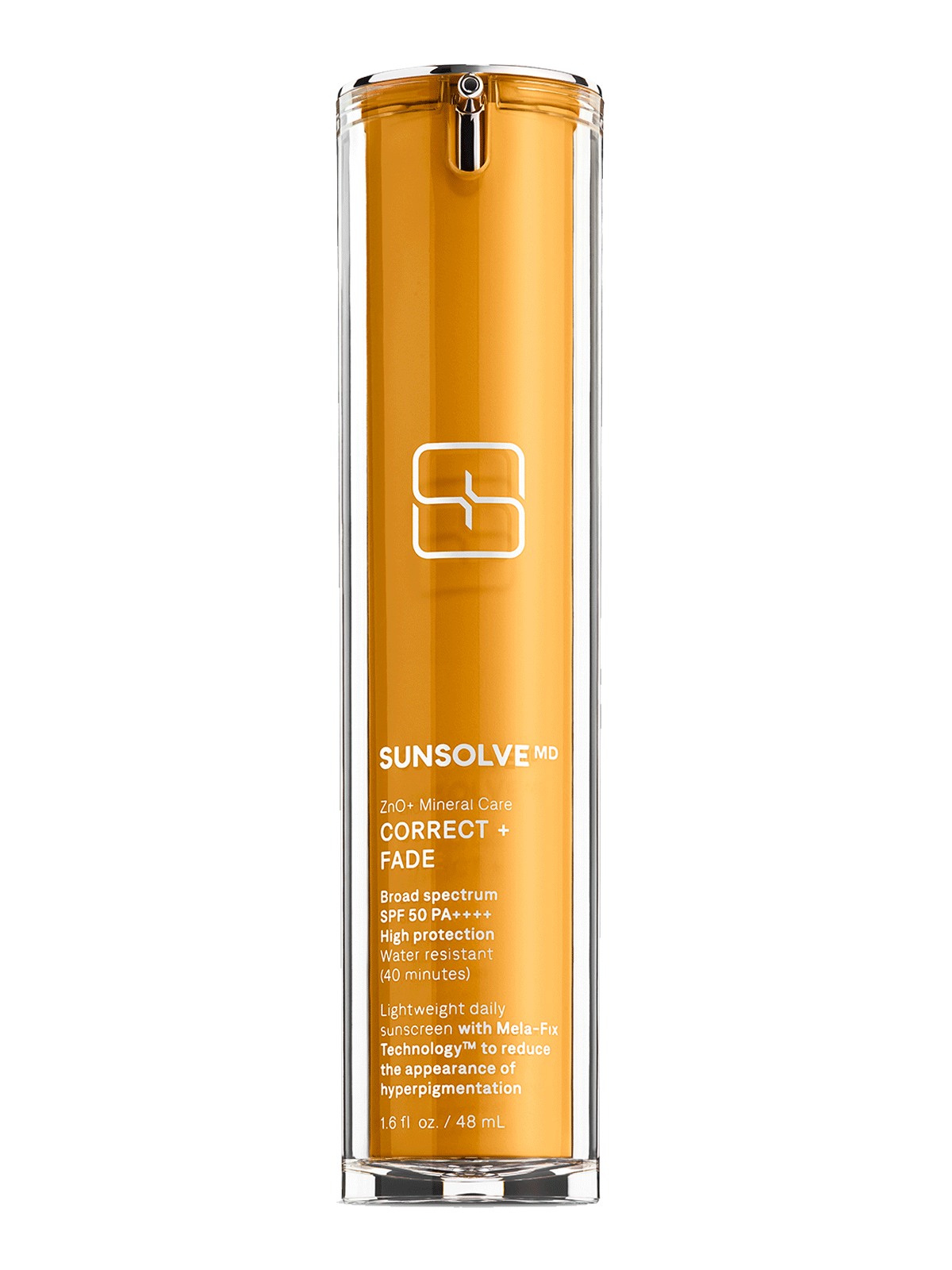
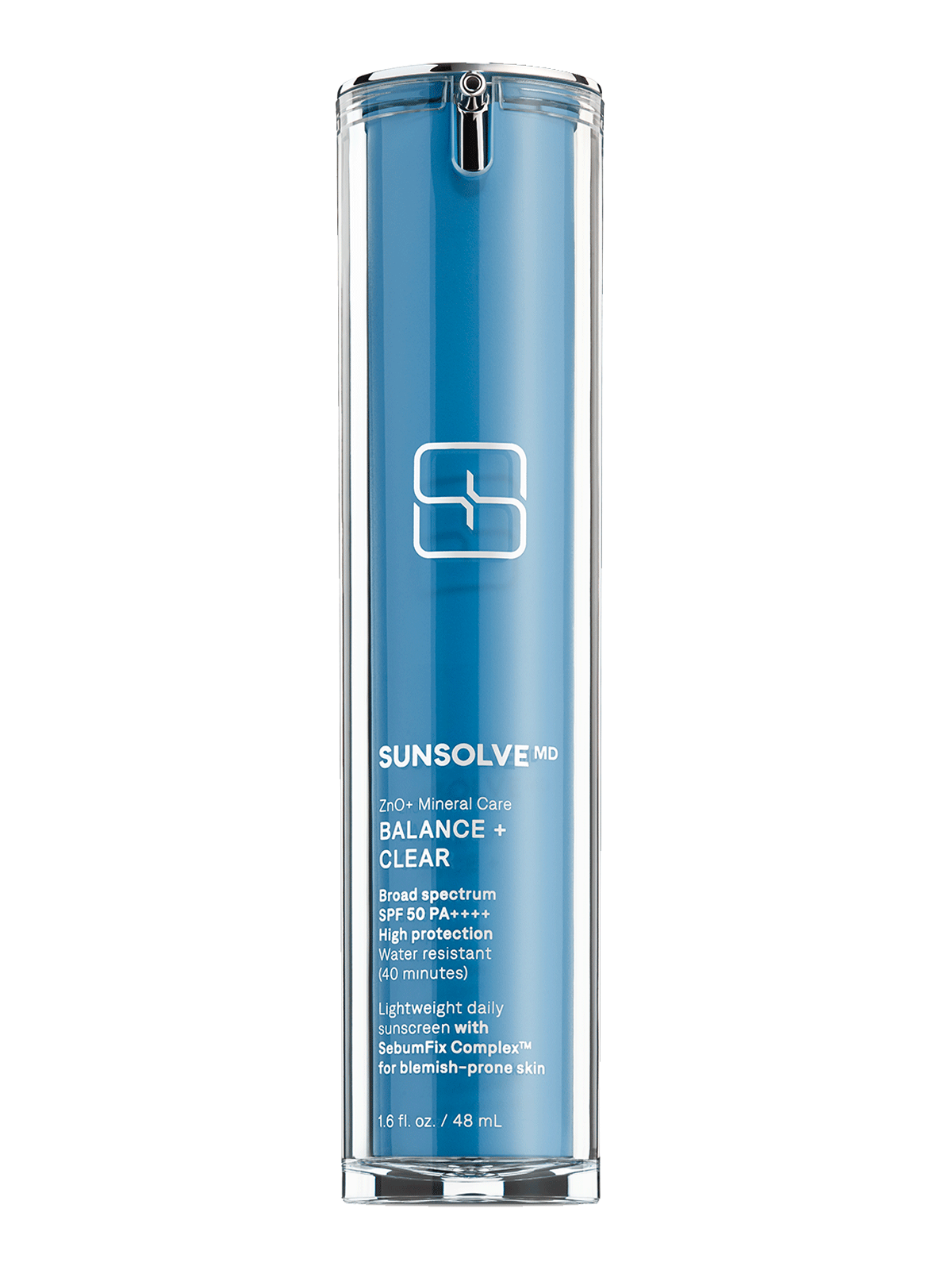
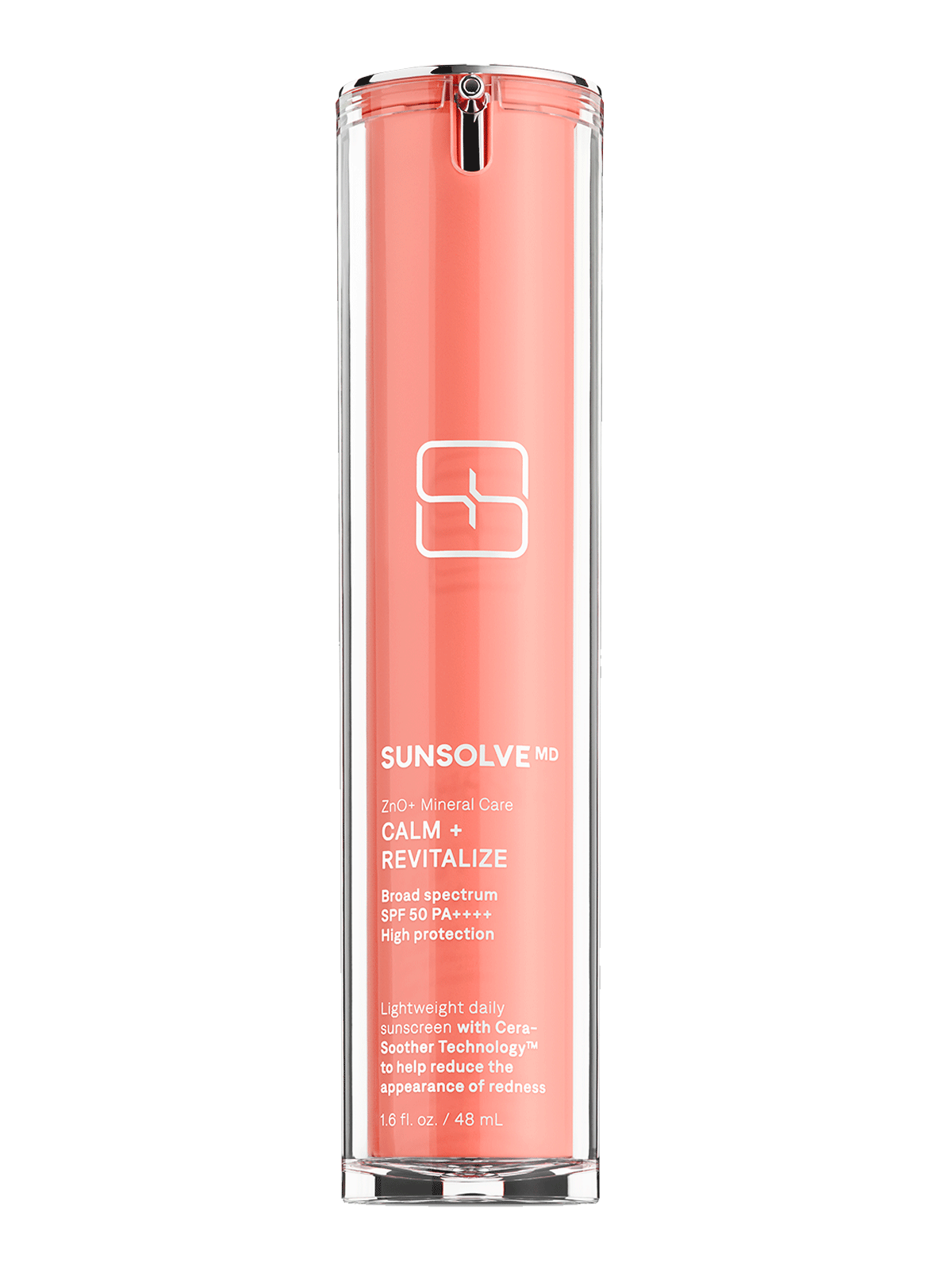
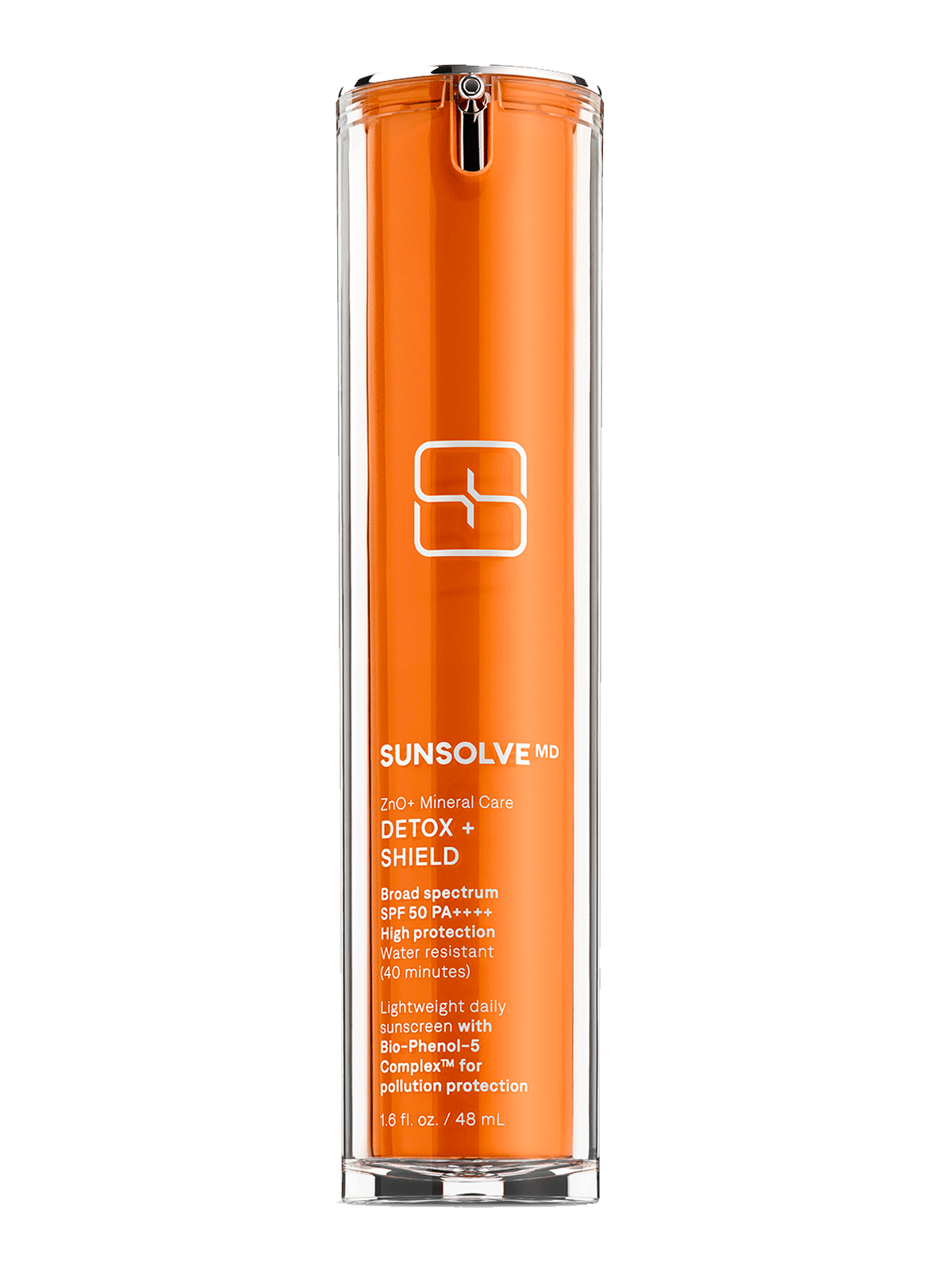
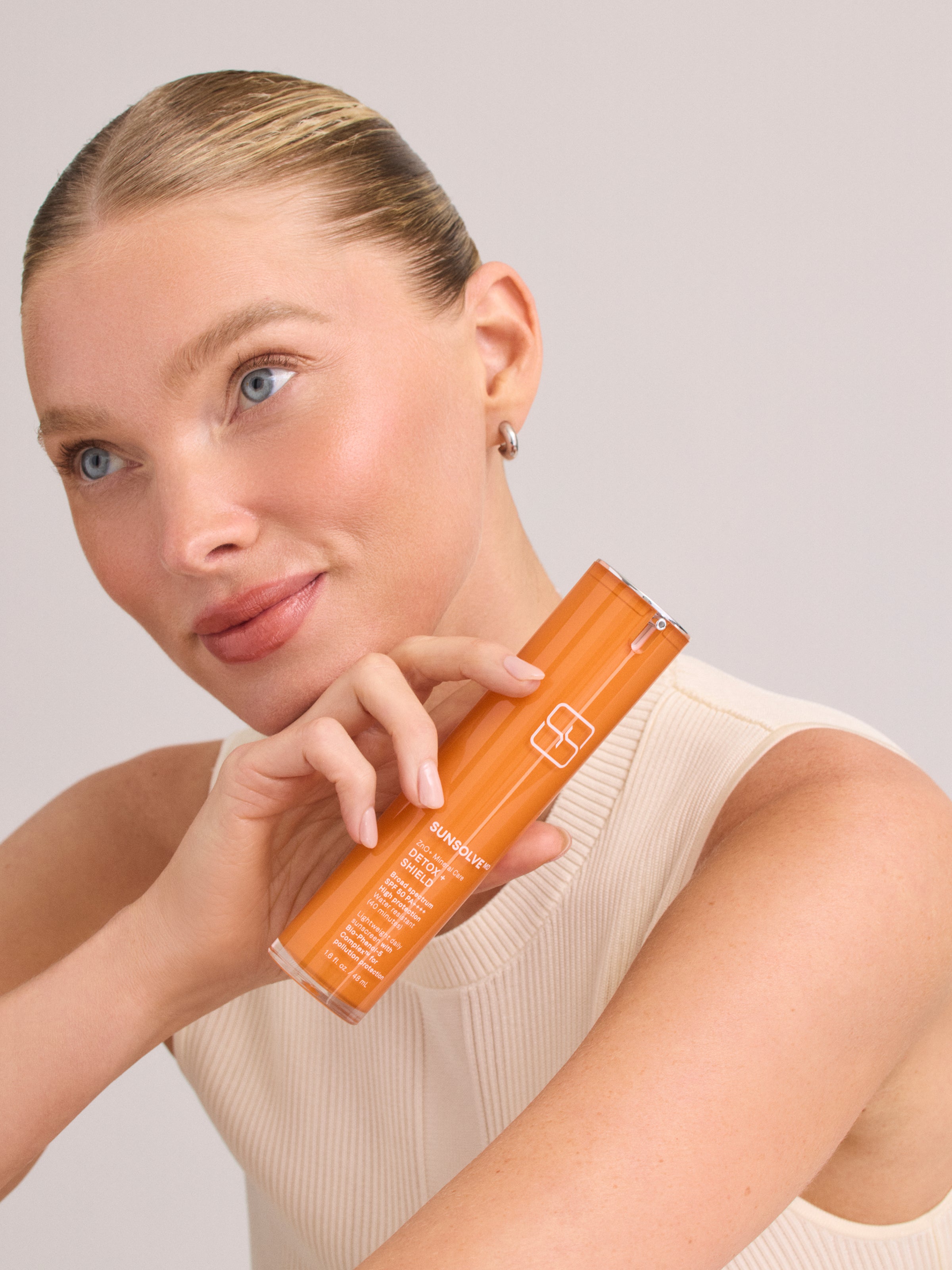
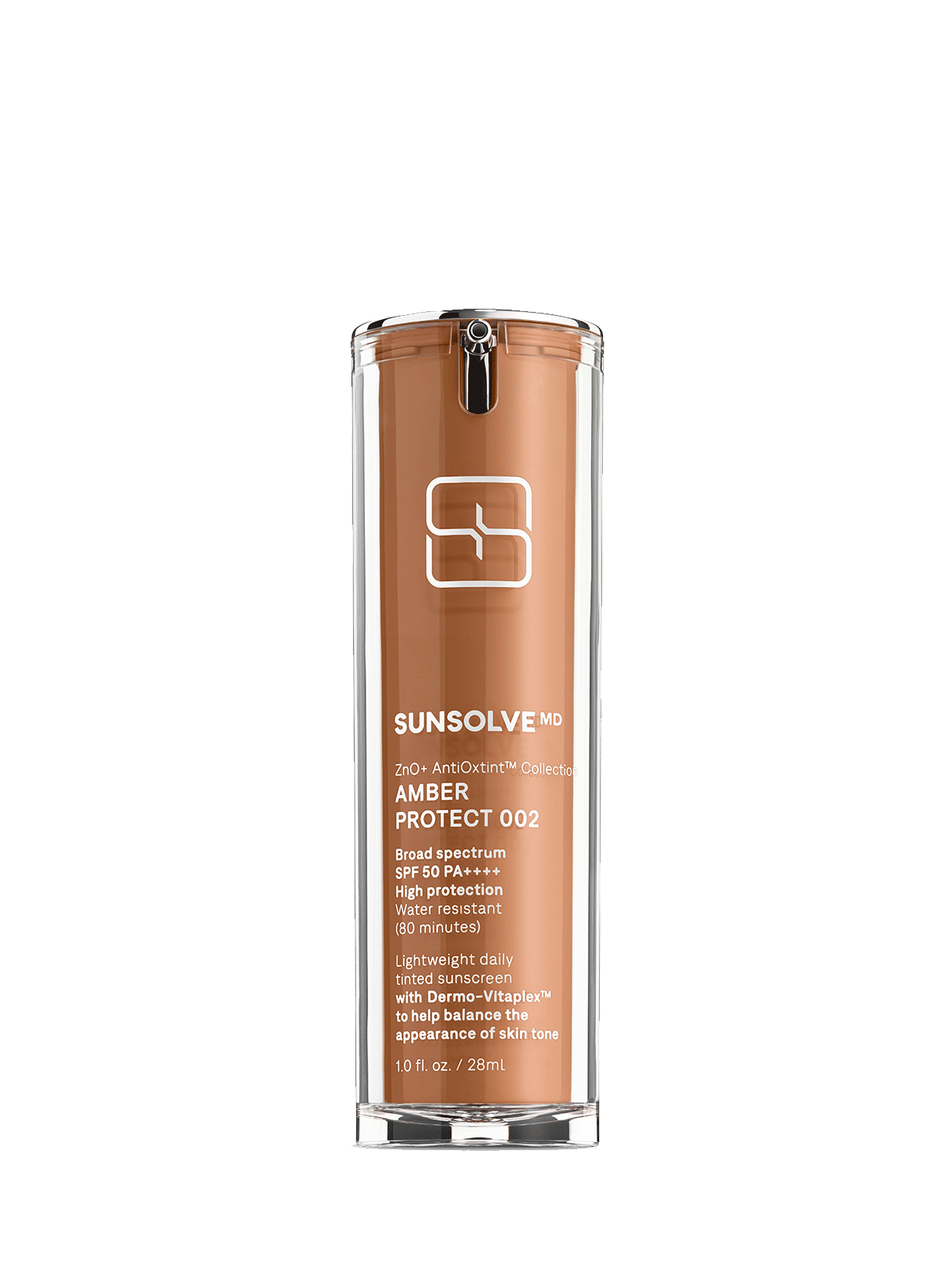
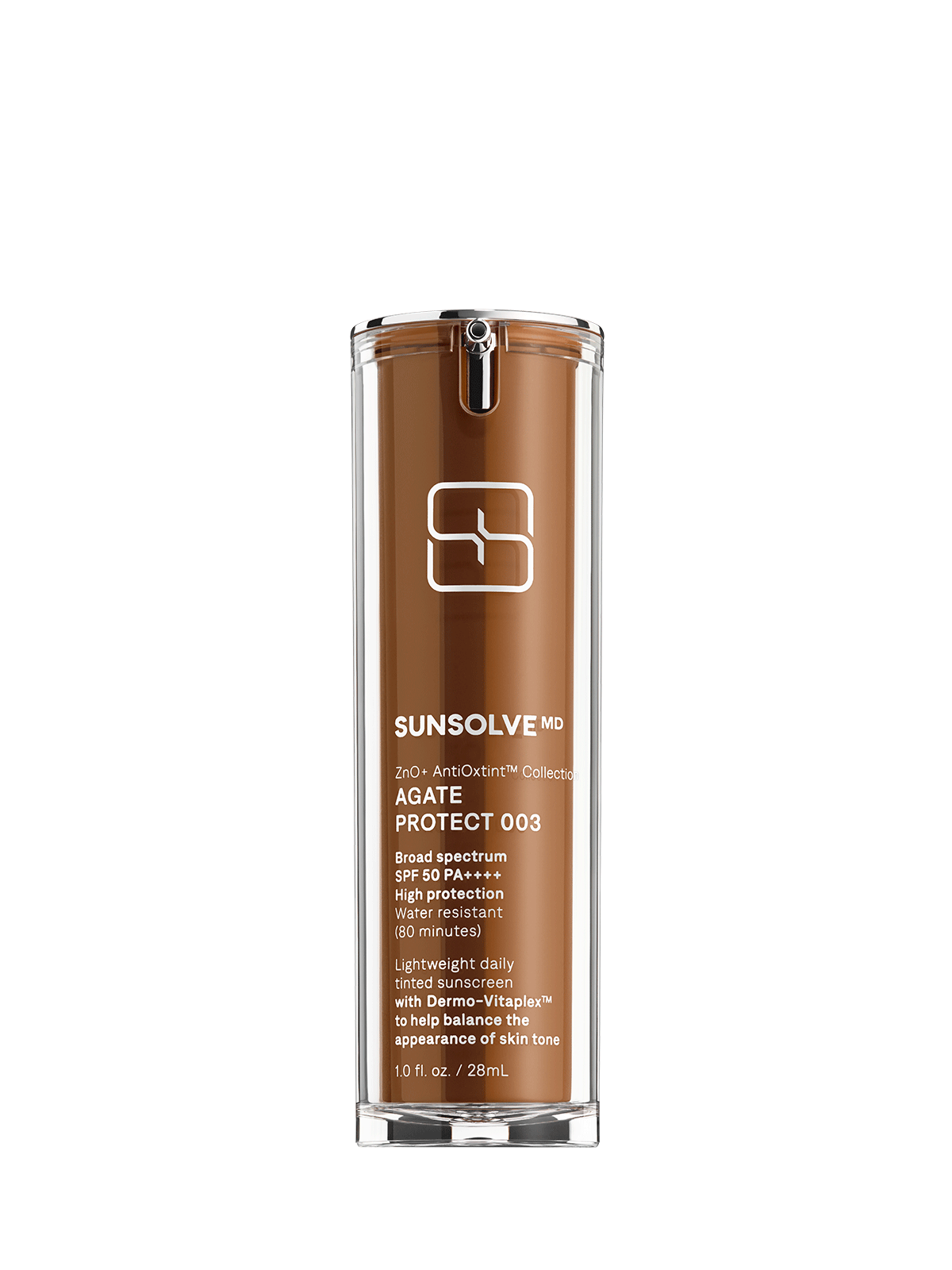
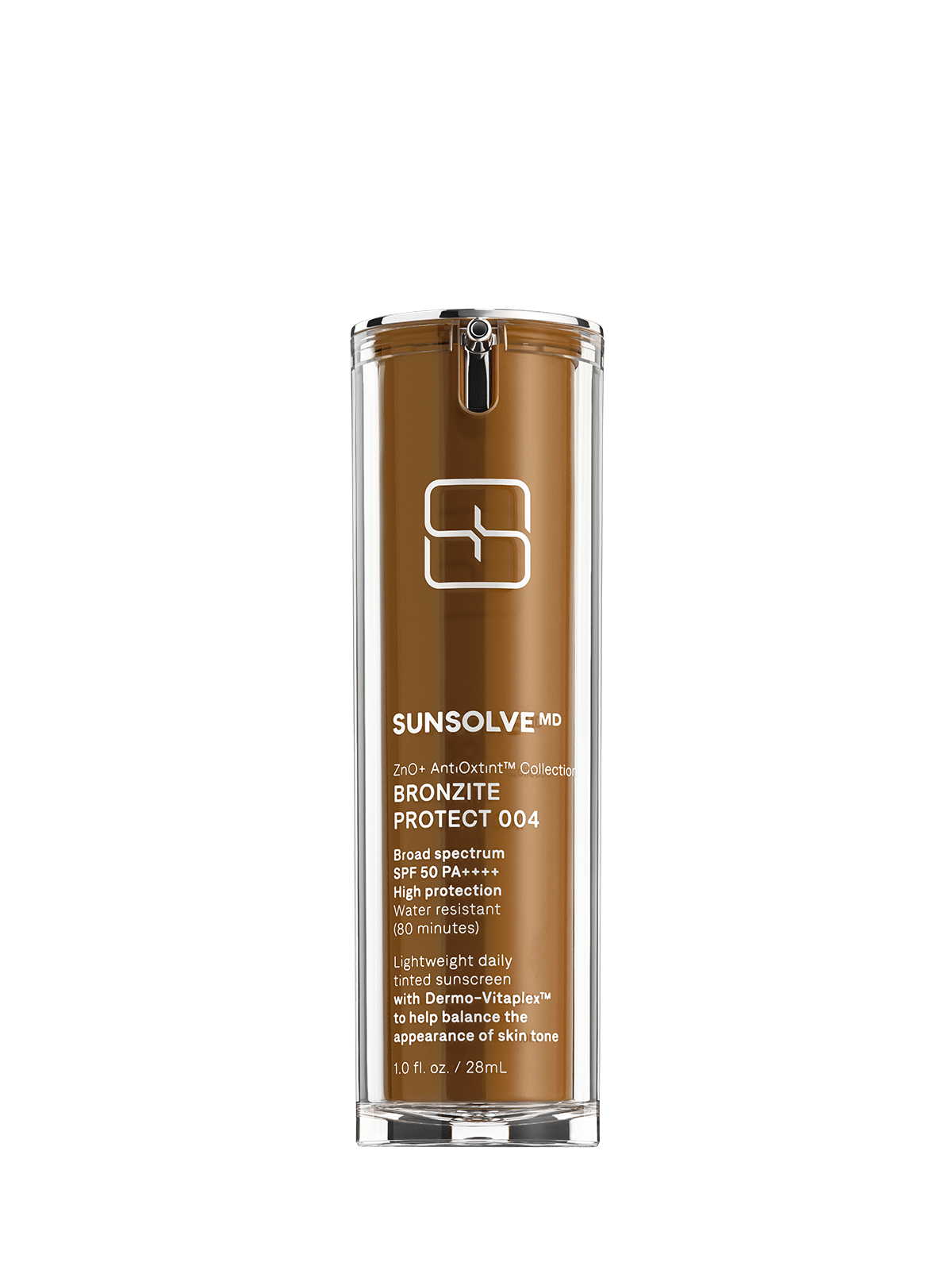
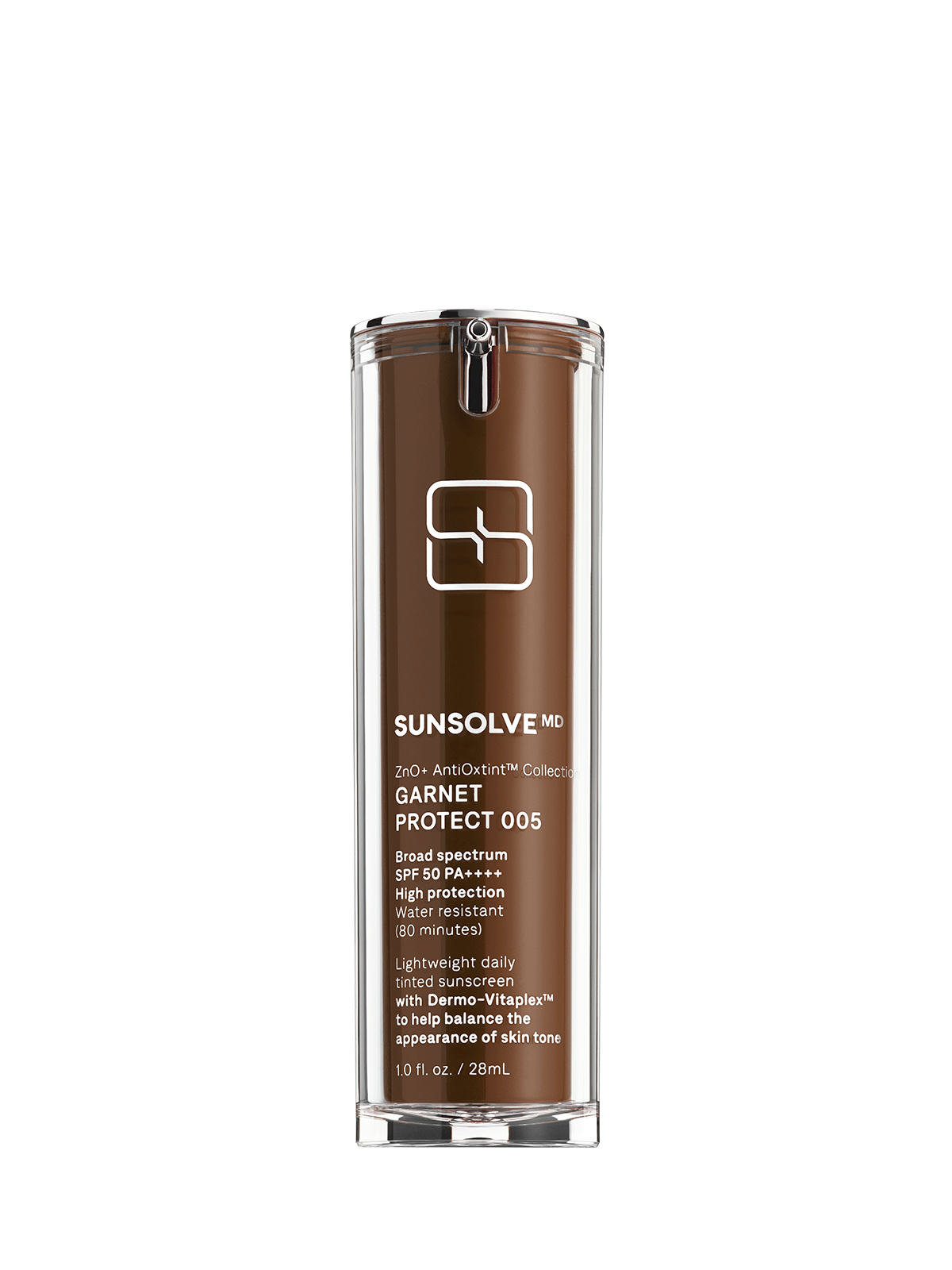
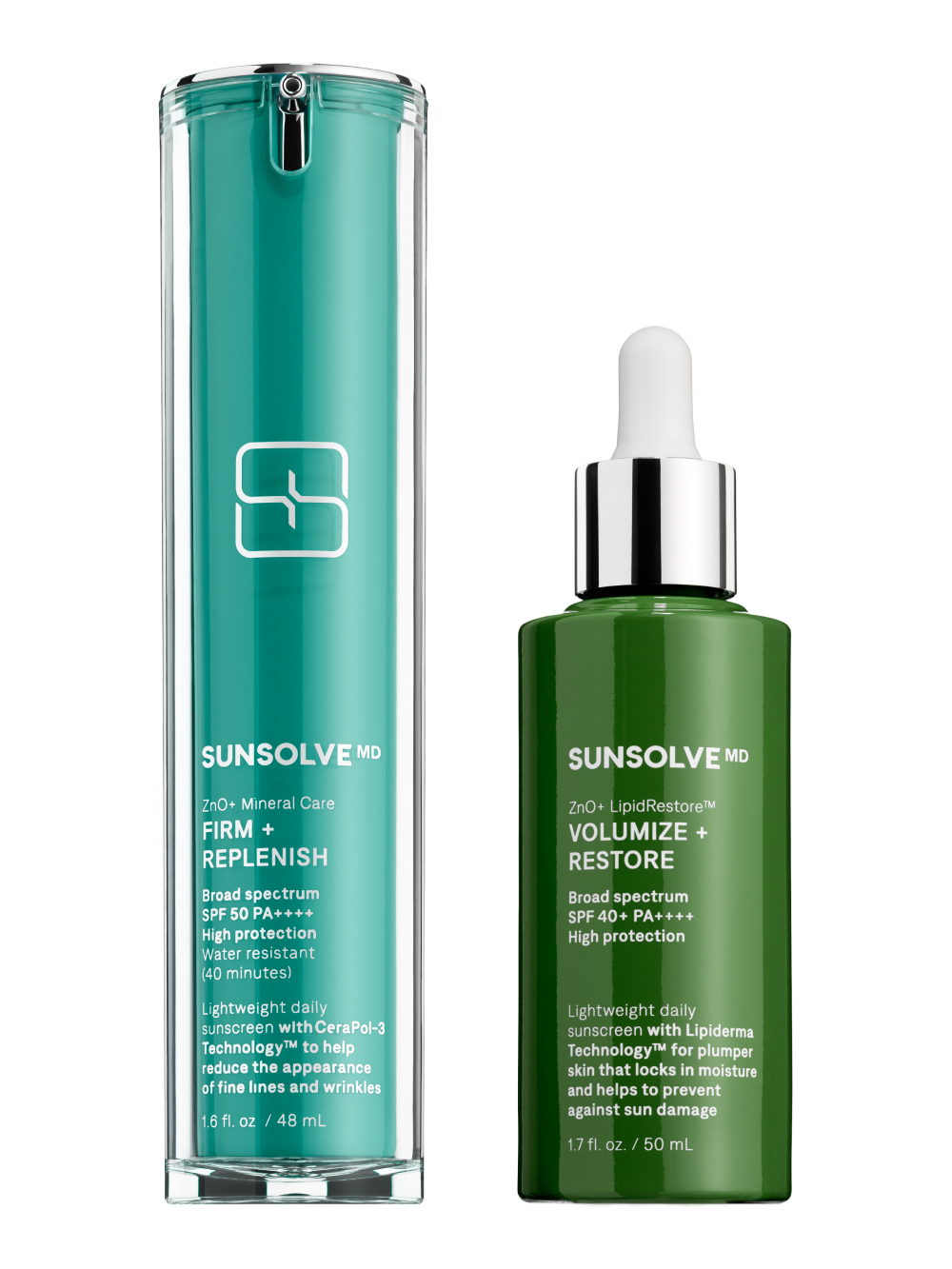
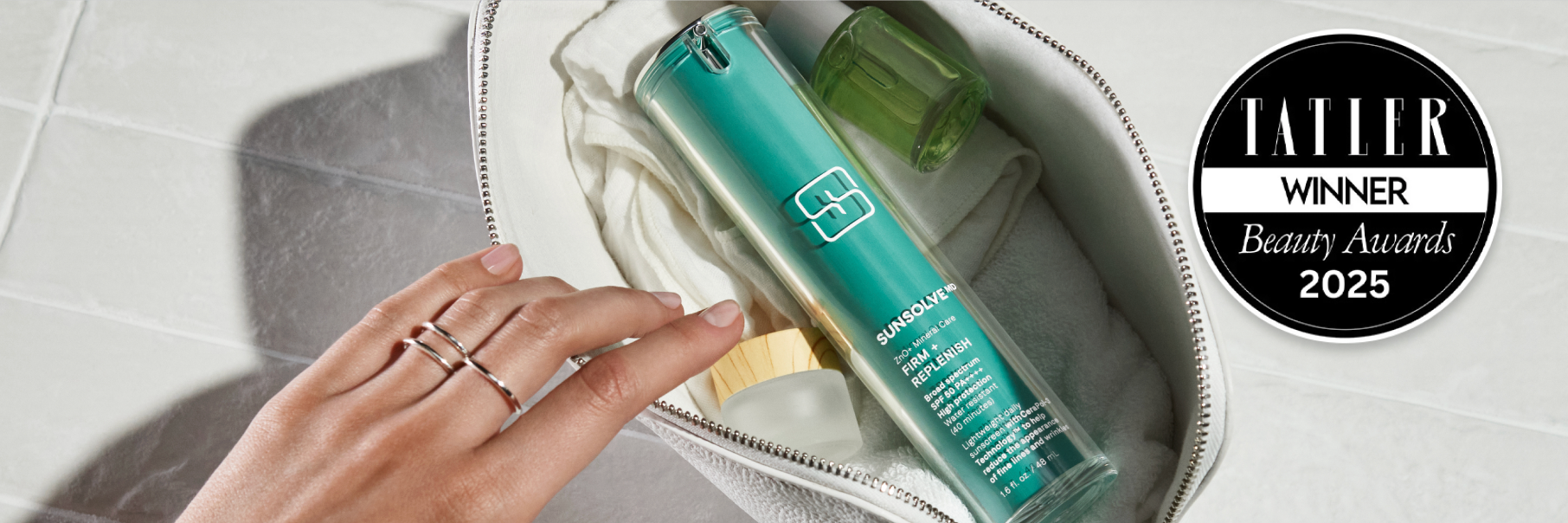
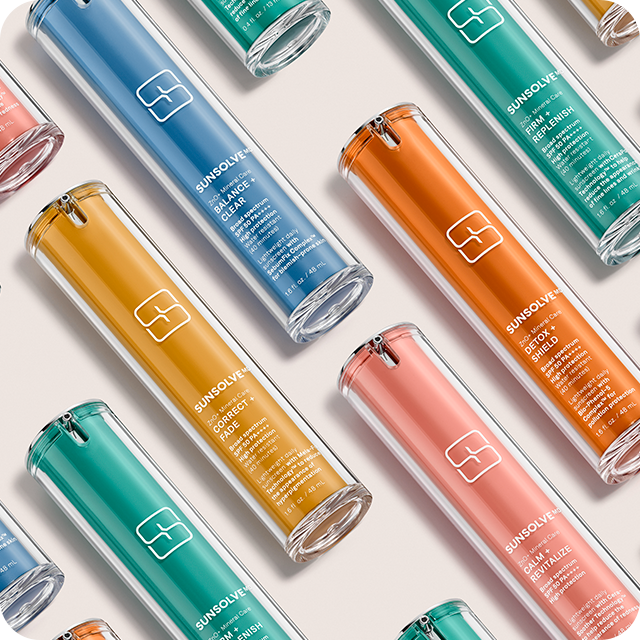
Our advanced UV defence for sensitive and acne-prone skin is built around zinc oxide as the primary active for all the reasons above. The ZnO+™ Mineral Care Complex delivers 12% non-nano zinc oxide in a base of niacinamide, hyaluronic acid, and phytoplankton-derived enzymes that work with zinc's anti-inflammatory and protective properties rather than against them. The formulation is engineered for the skin types that benefit most from mineral SPF: sensitive, reactive, acne-prone, post-procedure, and rosacea-affected. This is mineral protection at clinical standard, with the filter that does the most across the most variables.
FAQs
Is zinc oxide always better than titanium dioxide?
For most purposes, yes. The exception is in specific combination formulations where the two filters complement each other, but zinc-led formulations are generally preferable for broad-spectrum protection.
Can I be allergic to zinc oxide or titanium dioxide?
True allergies are rare. Both are inert and don't typically trigger immune reactions. If you react to a mineral sunscreen, the cause is usually a supporting ingredient rather than the active filter.
Are nanoparticles safe in mineral SPF?
Non-nano formulations are generally preferred for safety and environmental reasons. Look for non-nano zinc oxide on the label.
Does titanium dioxide cause cancer?
The IARC has classified inhaled titanium dioxide as possibly carcinogenic, which is why it should be avoided in spray and powder formats. Topical application is not associated with the same risk.
Can I use a combined mineral SPF?
Combination formulations exist, but pure zinc oxide formulations tend to offer the most complete broad-spectrum coverage without the drawbacks associated with titanium dioxide, making them the more elegant choice for daily use.