





5 Benefits of Using Vitamin C With Sunscreen
Vitamin C and sunscreen is one of those skincare combinations that gets recommended constantly without much explanation of why. The instruction sits in every routine guide: vitamin C in the morning, sunscreen on top, done. Many people follow it without understanding what the pairing actually does, which is a shame, because the mechanism is genuinely interesting from a scientific perspective - and the benefits compound in ways that justify the effort.
Used separately, each is a useful product. Used together, they cover more of the photodamage cascade than either does alone, and they enhance each other's performance measurably. This is not a marketing pairing. It is one of the better-supported combinations in dermatological literature.
How The Two Work Together
Sunscreen blocks UV at the surface. Vitamin C works underneath it, neutralising the free radicals that any UV exposure inevitably generates, even with good SPF in place. No sunscreen blocks 100% of UV radiation. SPF 30 blocks about 97%; SPF 50 blocks about 98%. The remaining 2 to 3% still reaches the skin and still causes oxidative damage. Vitamin C is the cleanup crew for that residual exposure.
The chemistry is straightforward: free radicals are unstable molecules with unpaired electrons that destabilise cells by stealing electrons from healthy structures, including DNA and collagen. Vitamin C donates electrons readily, neutralising free radicals before they can damage anything important. It works in the layers where sunscreen cannot reach, addressing the damage that gets past the surface barrier.
Benefit One: Stronger Protection Against Premature Ageing
UV exposure accelerates the breakdown of collagen, which is the primary driver of fine lines, sagging, and the loss of firmness that becomes visible from the mid-thirties onwards. Sunscreen prevents most of the UV from triggering that breakdown. Vitamin C does two additional things: it neutralises the oxidative stress that residual UV causes, and it actively stimulates new collagen production in its own right. The combination is genuinely synergistic; you are blocking the damage at the surface and rebuilding the structure underneath at the same time.
Benefit Two: Better Defence Against Pigmentation
UV is one of the primary triggers for melanin overproduction, which manifests as sun spots, melasma, and post-inflammatory hyperpigmentation. Sunscreen blocks the trigger. Vitamin C inhibits the enzymatic process (specifically tyrosinase, the enzyme that controls melanin synthesis) that produces the pigment in the first place. People prone to uneven tone get more benefit from the combination than from either product on its own. For more detail on the cumulative damage process, take a look at our blog on photodamage and dark skin.
Benefit Three: Enhanced SPF Performance

This one surprises people. Research has shown that vitamin C applied under sunscreen can modestly increase the effective photoprotection of the SPF layered over it. The mechanism is the antioxidant activity neutralising free radicals before they can amplify the damage from any UV that gets through. It is not a replacement for sunscreen, but it makes the sunscreen work harder.
Benefit Four: Visible Brightness And Glow
Vitamin C inhibits melanin production, fades existing pigmentation gradually, and supports the skin's natural radiance. Used consistently under SPF, it gives the kind of brightness that distinguishes well-protected skin from skin that has been exposed without antioxidant support. The improvement is gradual rather than immediate, but it becomes visible within six to twelve weeks of consistent use.
Benefit Five: Reduced Pollution Damage
UV is not the only oxidative stressor skin faces daily. Pollution, particulate matter, and environmental toxins all generate free radicals in the skin. Sunscreen, especially mineral SPF, provides a partial physical barrier against particulates. Vitamin C handles the rest, neutralising the free radicals that pollution generates regardless of whether you have spent the day inside or outside. For urban skin, this is a significant variable.
How To Layer Them Correctly
Apply vitamin C serum first, on clean skin, ideally in the morning. Allow it to absorb fully (a few minutes), then layer SPF over the top. Moisturiser can sit between the two if needed, particularly if your skin runs dry. The sequence is non-negotiable; vitamin C needs to be on the skin first to work effectively.
Look for L-ascorbic acid at 10 to 20% concentration for maximum efficacy, or stable derivatives like sodium ascorbyl phosphate or magnesium ascorbyl phosphate if pure ascorbic acid irritates your skin. Store the serum away from light and heat, as vitamin C oxidises and loses potency when exposed to either.
Science-Led Sunscreen By SunsolveMD
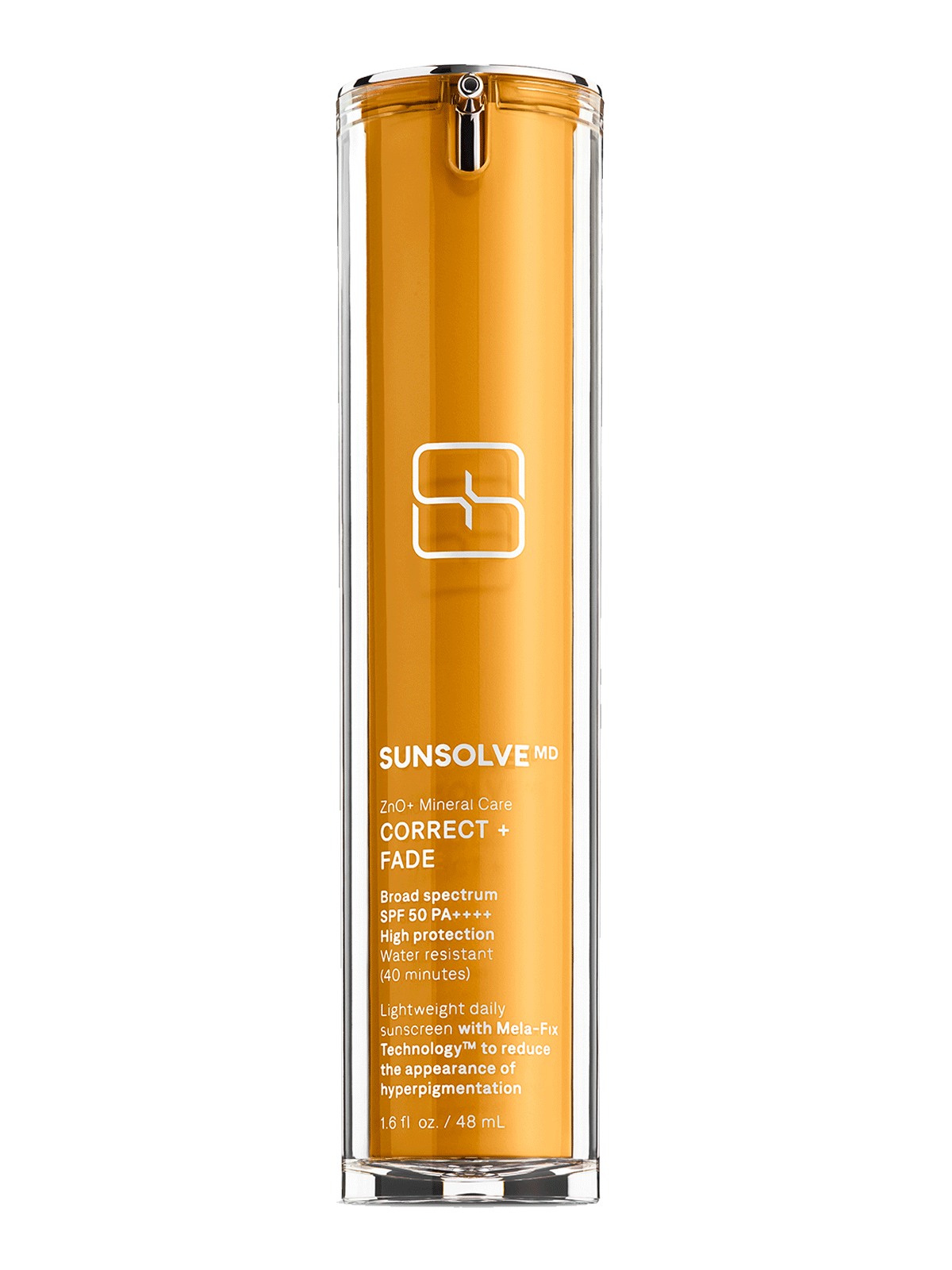
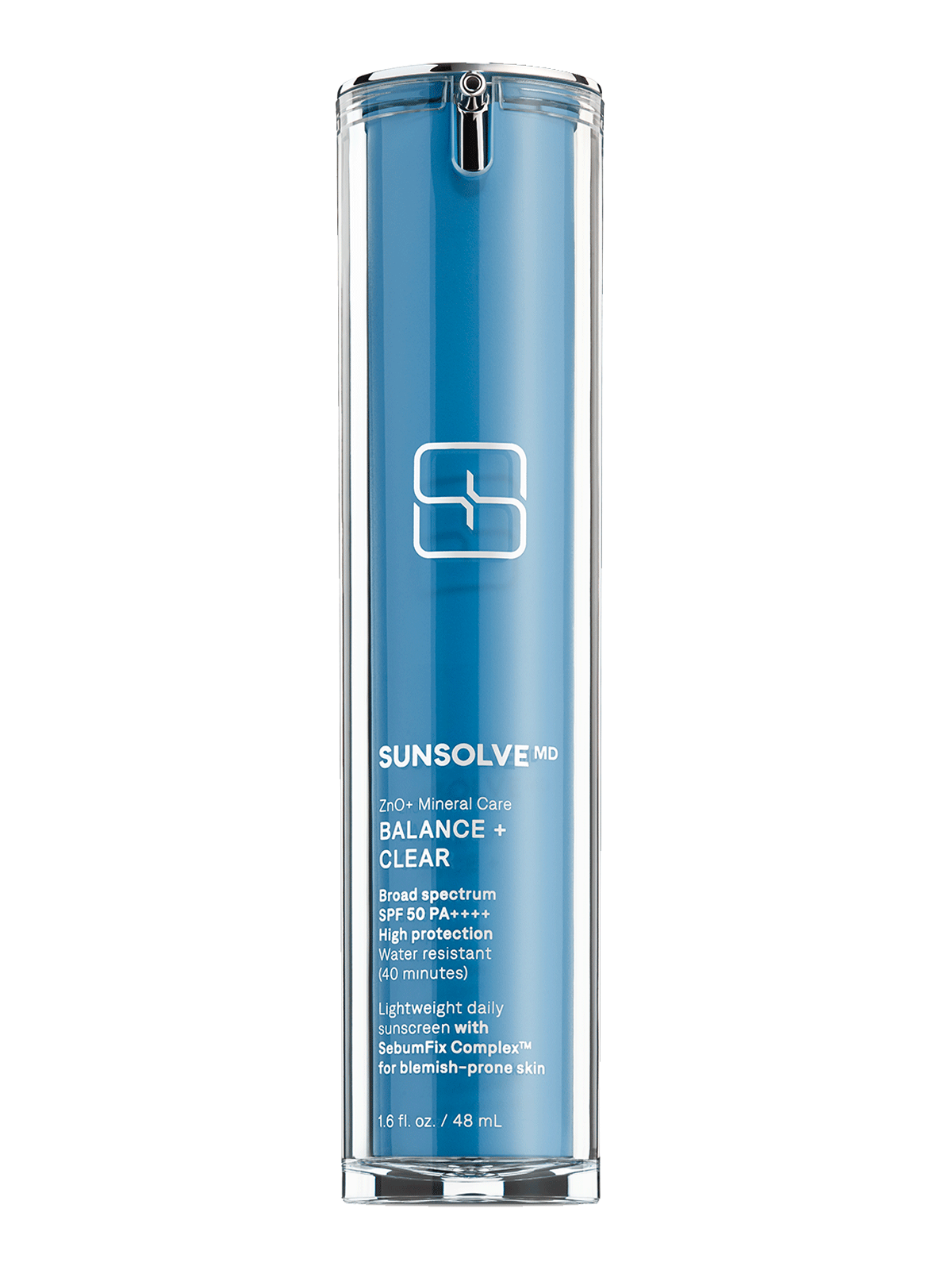
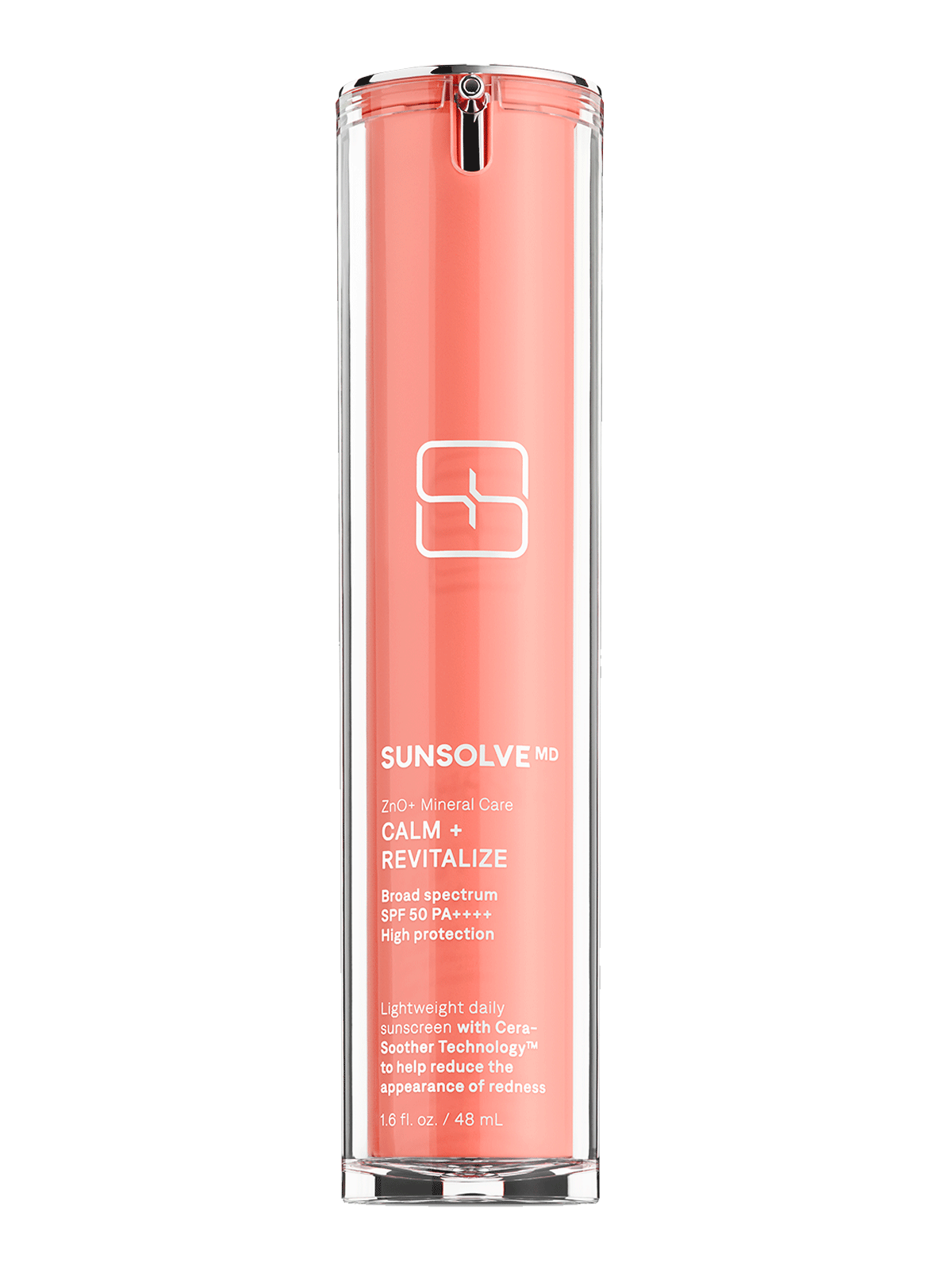
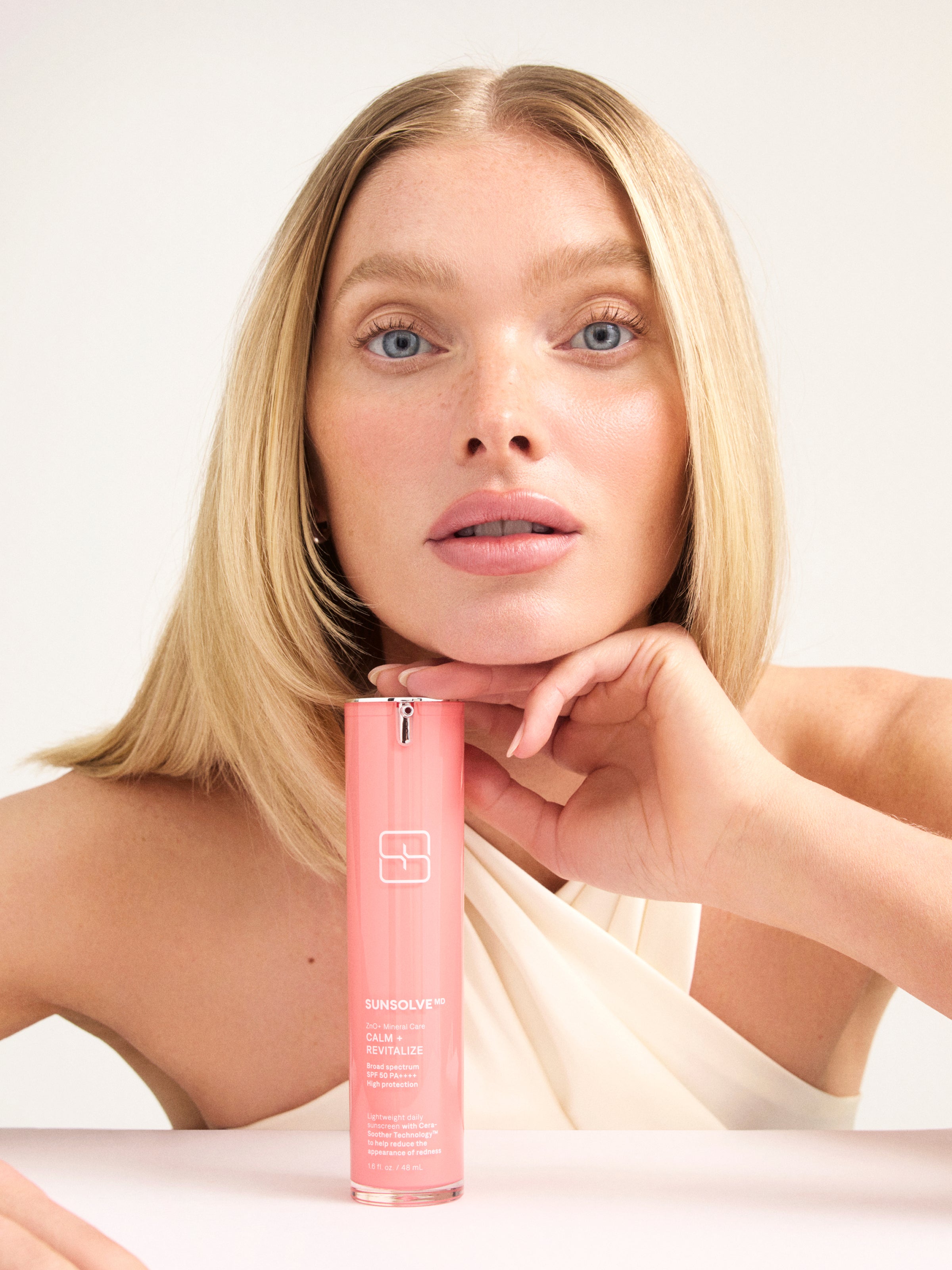
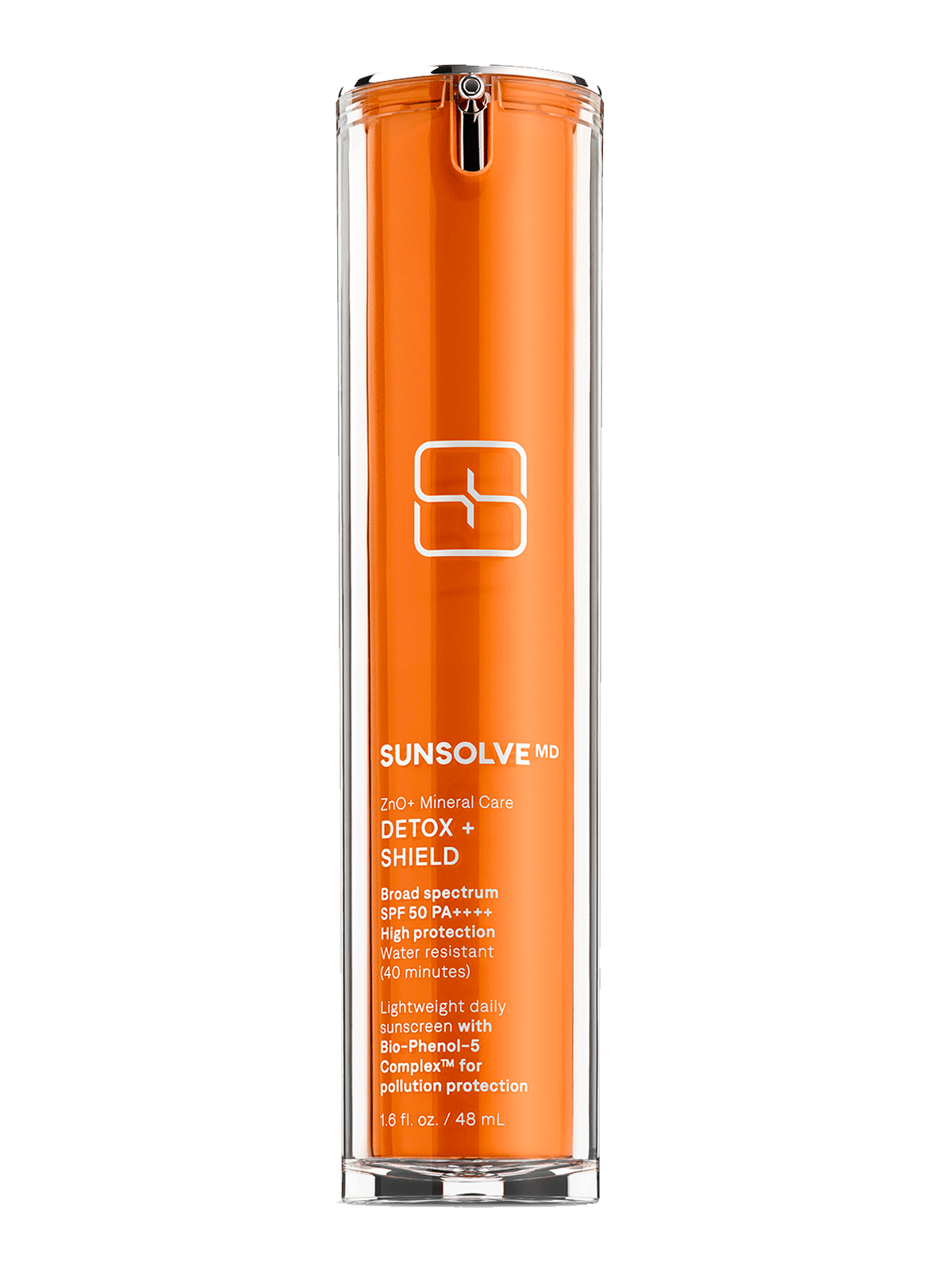
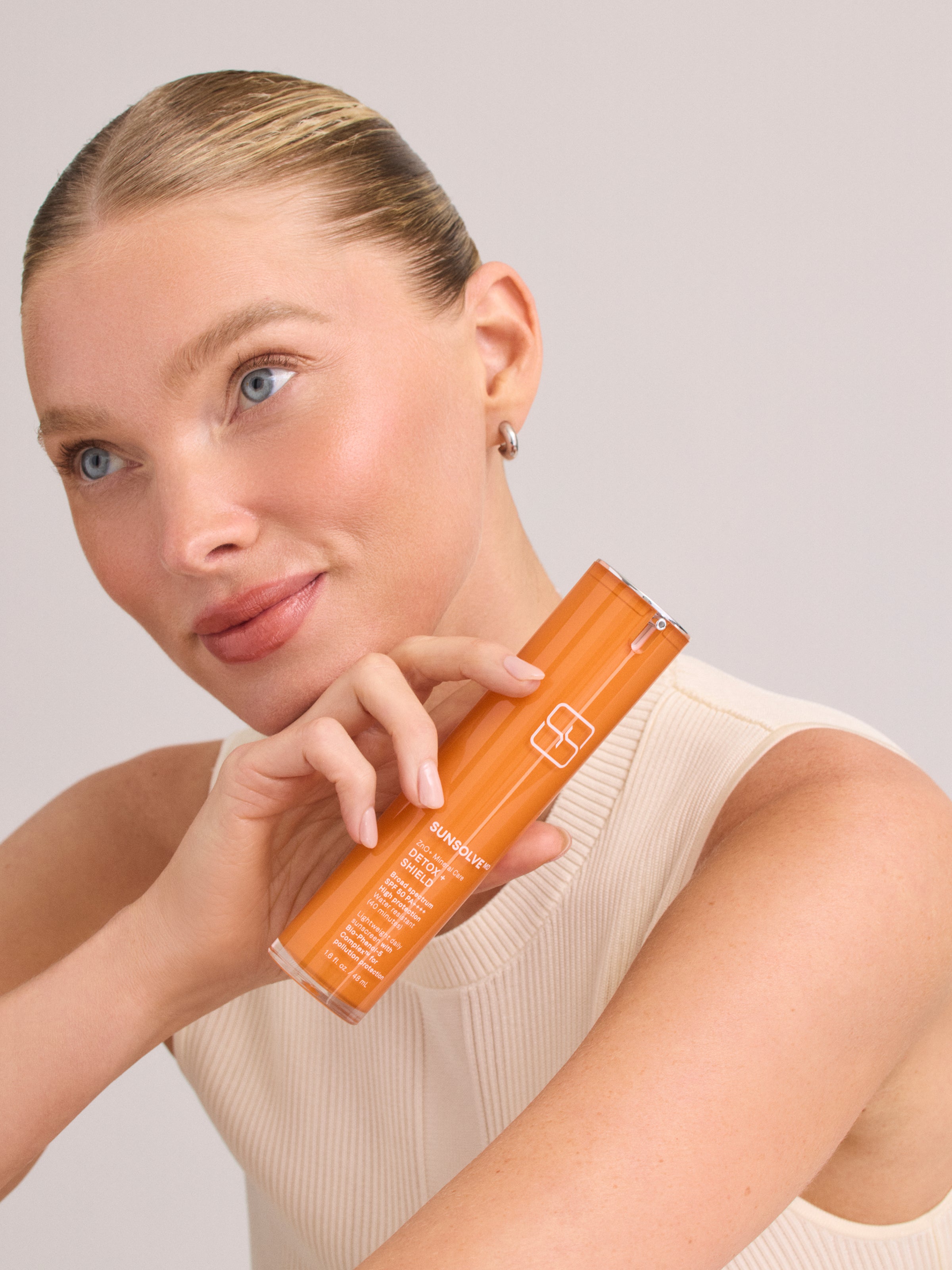
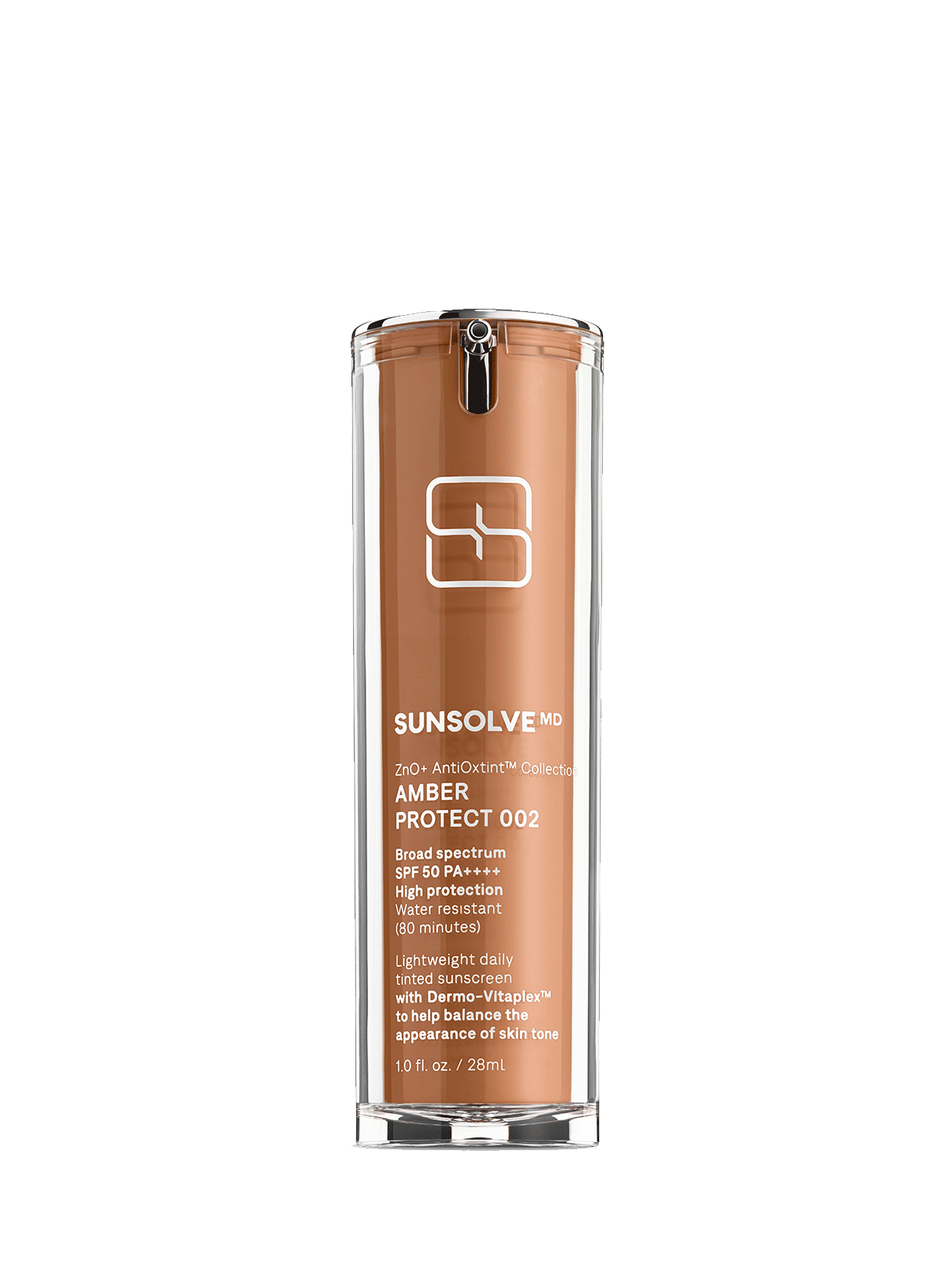
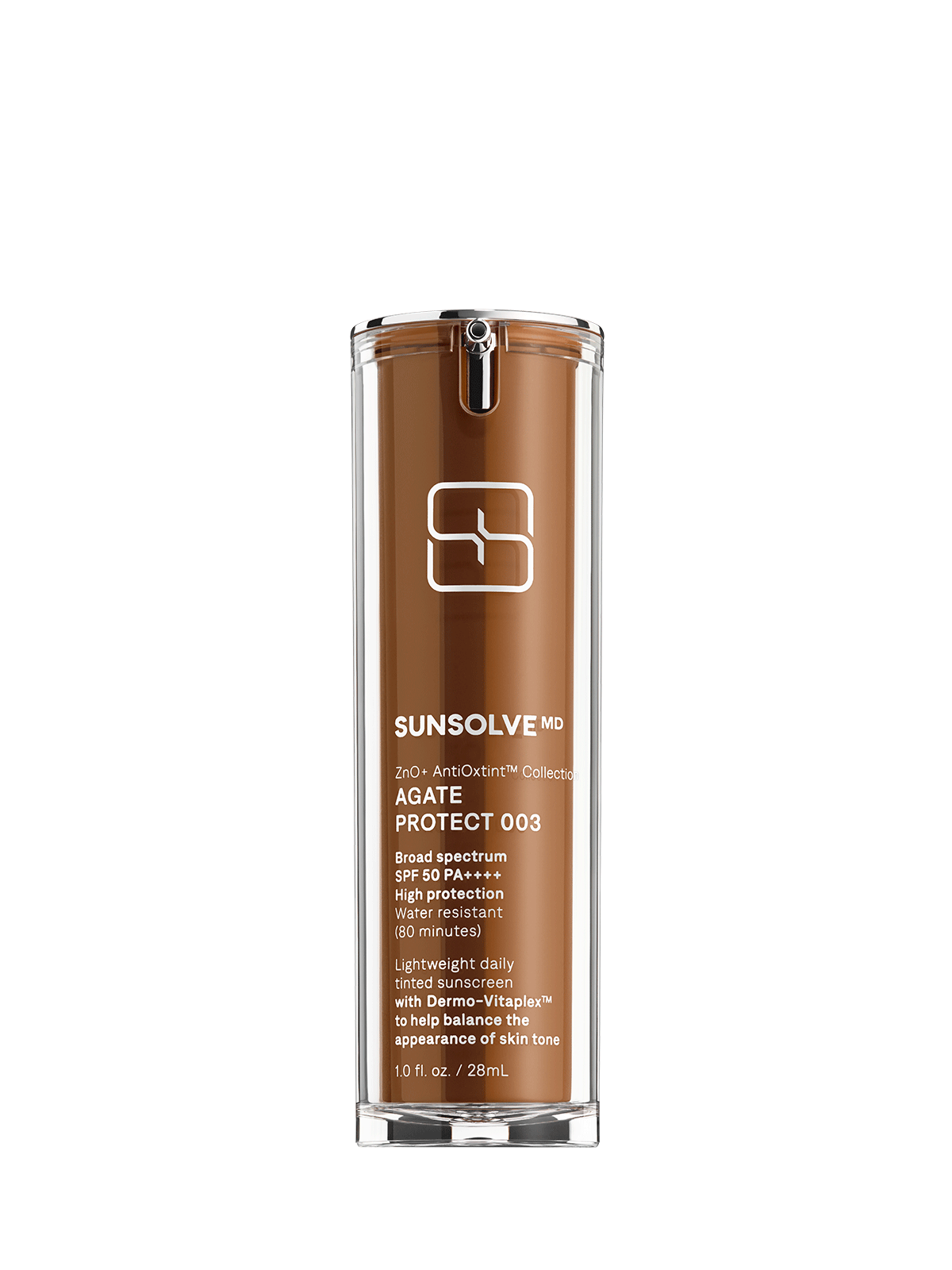
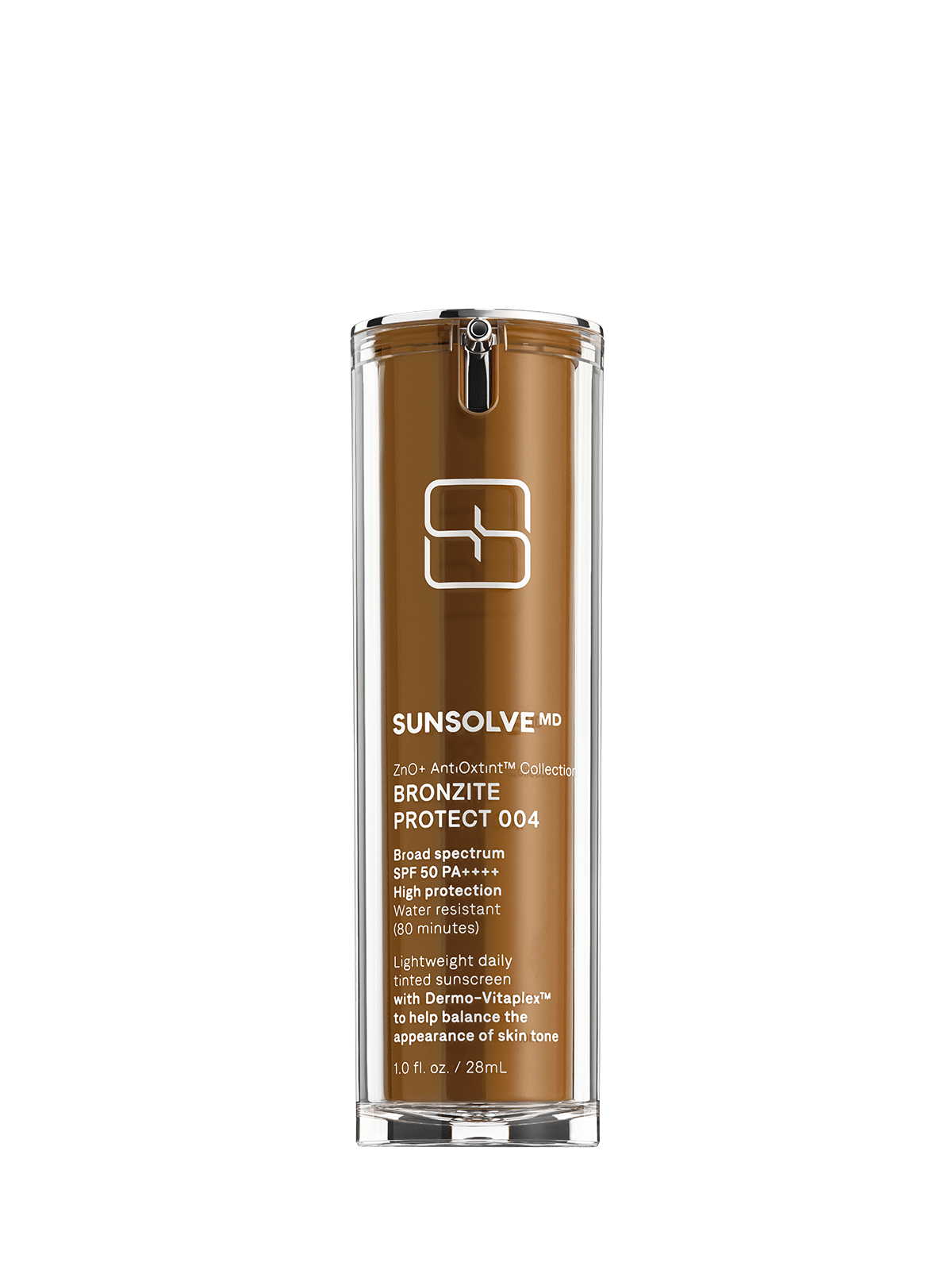
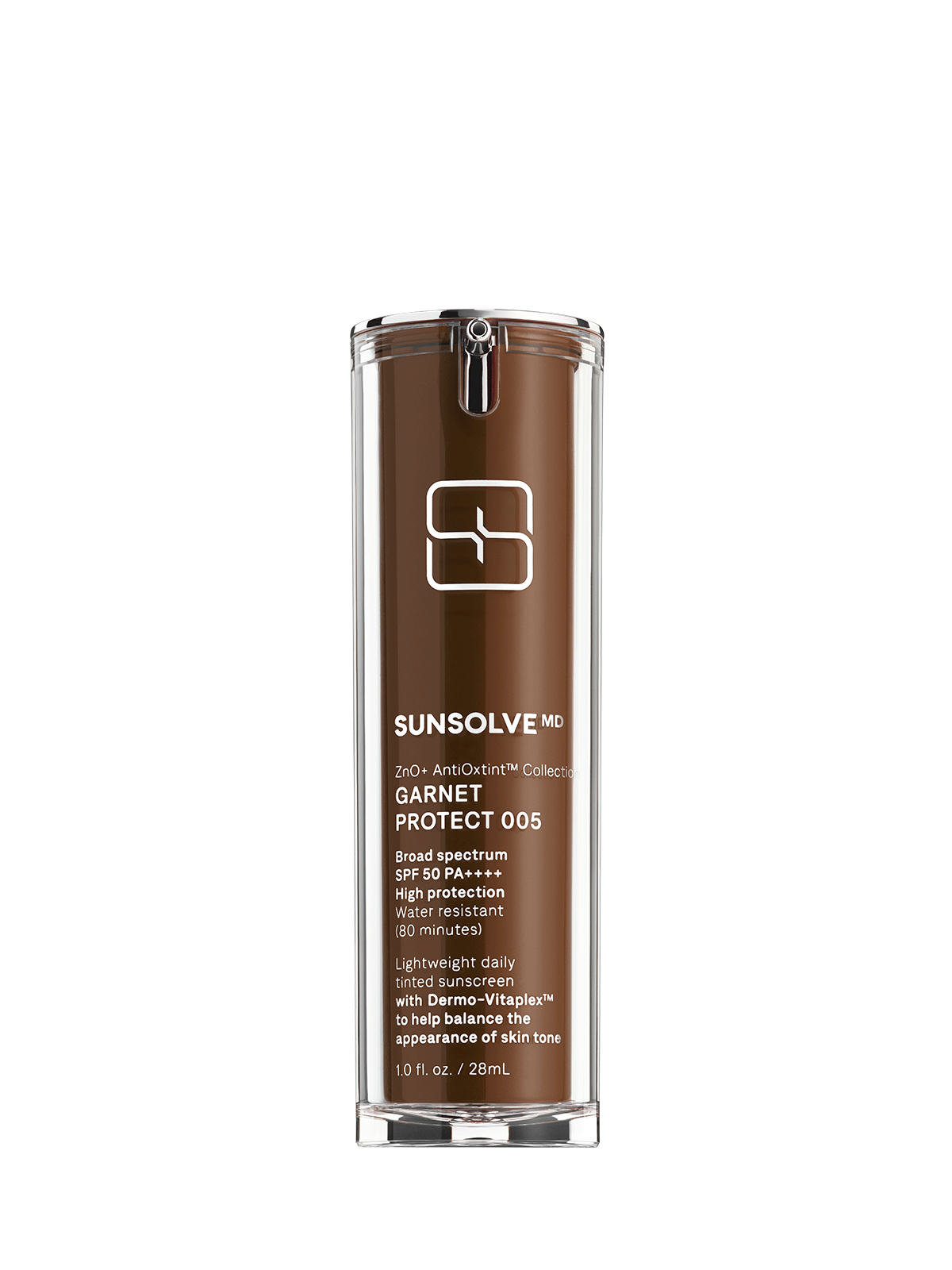
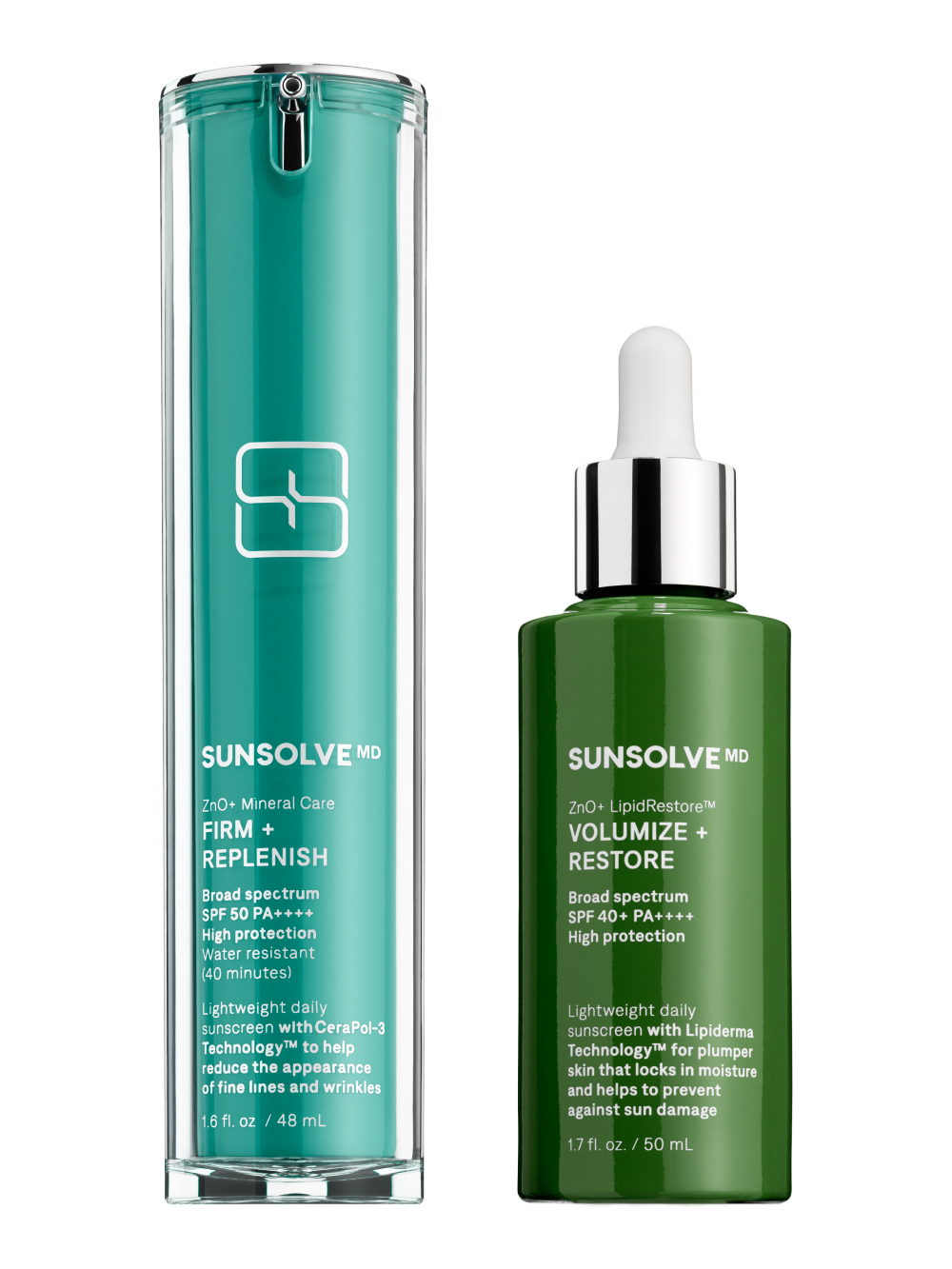
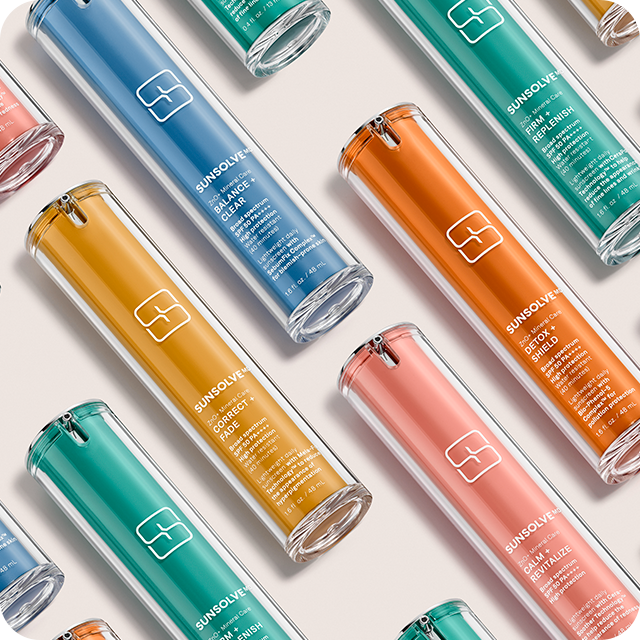
At SunsolveMD, our gentle daily UV protection for reactive skin is engineered to work with the rest of your routine, rather than against it. The ZnO+™ Mineral Care Complex layers cleanly over vitamin C without disrupting its activity, and the formula itself contains antioxidant supporting ingredients that complement what your serum is already doing. Built-in phytoplankton extract delivers light-activated enzymes that target UV-induced DNA damage at the cellular level, going beyond standard antioxidant coverage. Sun protection and vitamin C are good together. With the right SPF, they’re exceptional.
FAQs
Can I use vitamin C and retinol together?
Generally not in the same routine. Use vitamin C in the morning under SPF, and retinol in the evening. Mixing them can reduce the efficacy of both and increase irritation potential.
What concentration of vitamin C should I look for?
L-ascorbic acid at 10 to 20% is the most studied range. Below 8%, the antioxidant activity drops significantly. Above 20%, the increase in efficacy is marginal and the irritation potential rises.
Will vitamin C make my skin more sensitive to the sun?
No. Vitamin C is photoprotective rather than photosensitising, but it does oxidise when exposed to UV, which is why pairing it with SPF is essential for both its efficacy and your skin's protection.
Can I use vitamin C every day?
Yes, daily morning use is the standard recommendation. Some people with very sensitive skin start every other day and build up.
How long until I see results?
Brightness changes within four to six weeks, pigmentation fading within eight to twelve, and longer-term collagen benefits across several months of consistent use.